People Watching on Riyadh’s Metro
Riyadh’s new metro has quietly changed daily life—especially for women. It offers a fast, safe, and incredibly affordable way to get around the city. A regular-class ticket costs just 4 SAR (about €0.90), while first class is 10 SAR. Even if you don’t have a pass, using the metro couldn’t be easier: just tap your credit card at the turnstile and walk in.

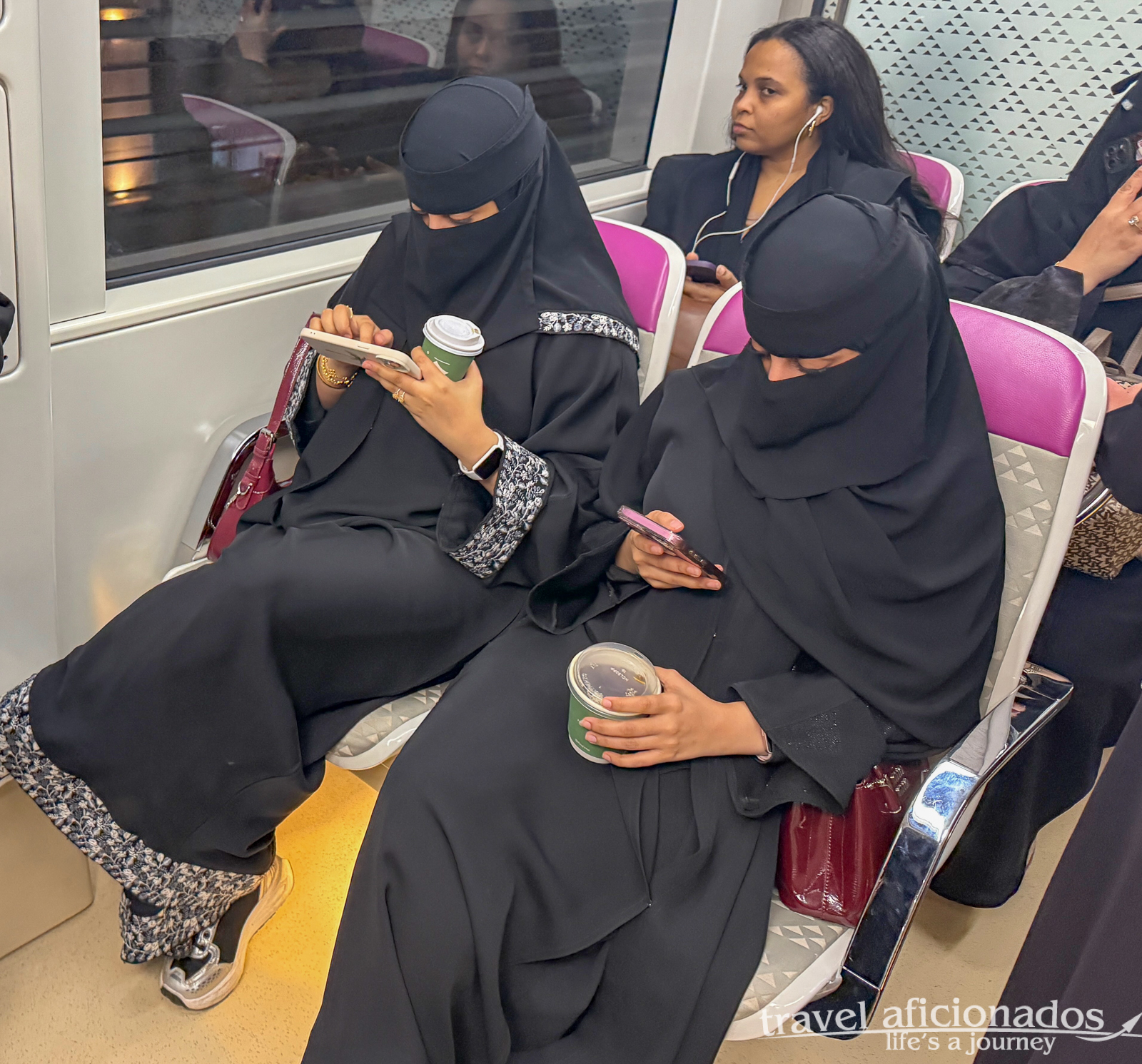
Family Action – mostly woemn but also single man can be seen
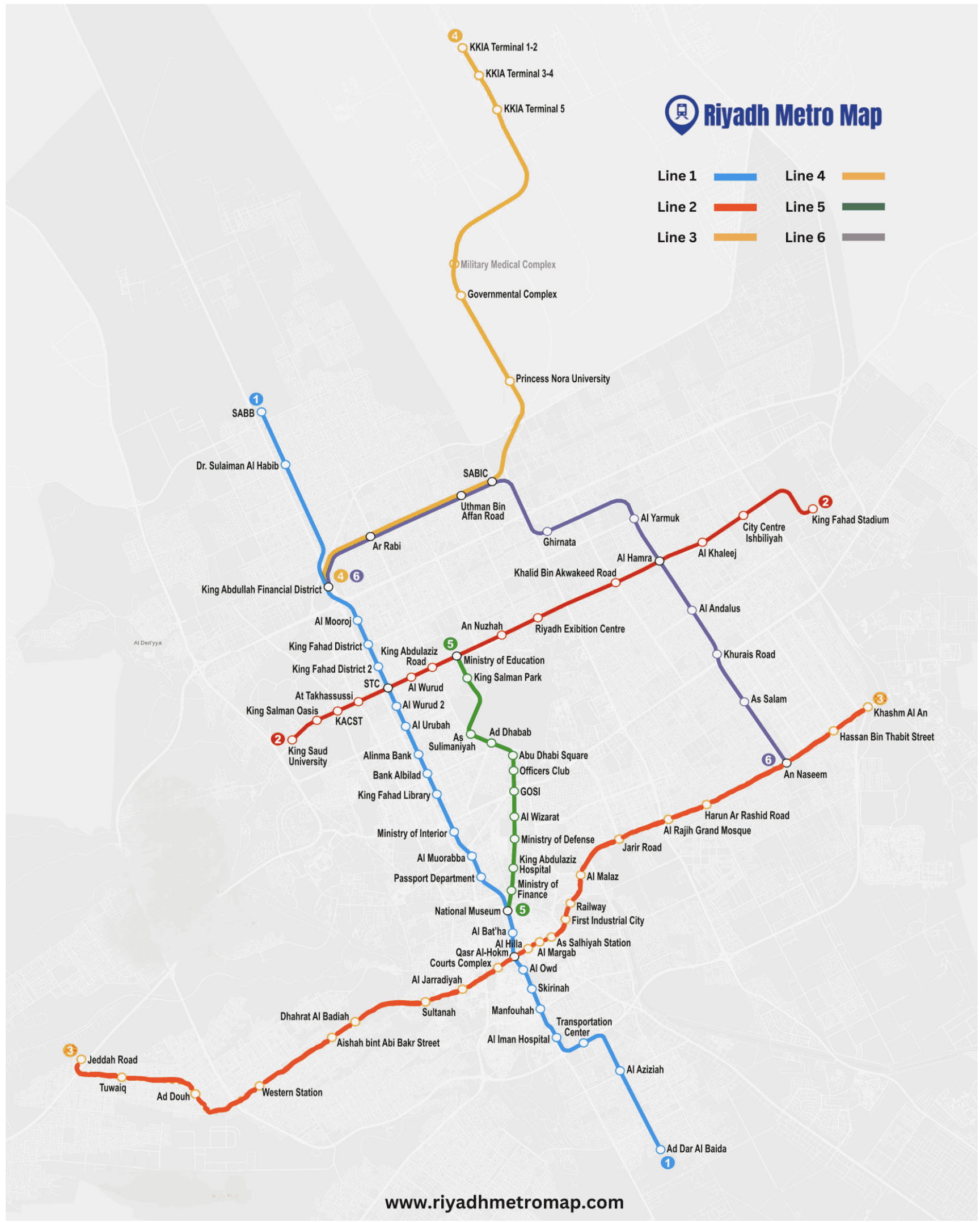
One of its biggest advantages is that the metro runs all the way to the airport, far north of the city. Helpful employees are always on hand, gently guiding first-time users through the system. Taking the metro to and from the airport saves a surprising amount of money—even though taxis in Riyadh are relatively cheap.
After leaving the airport, the first stretch feels endless. We traveled for about five minutes without a single stop. Gradually, the distances between stations shrink as you move closer to the heart of the city.
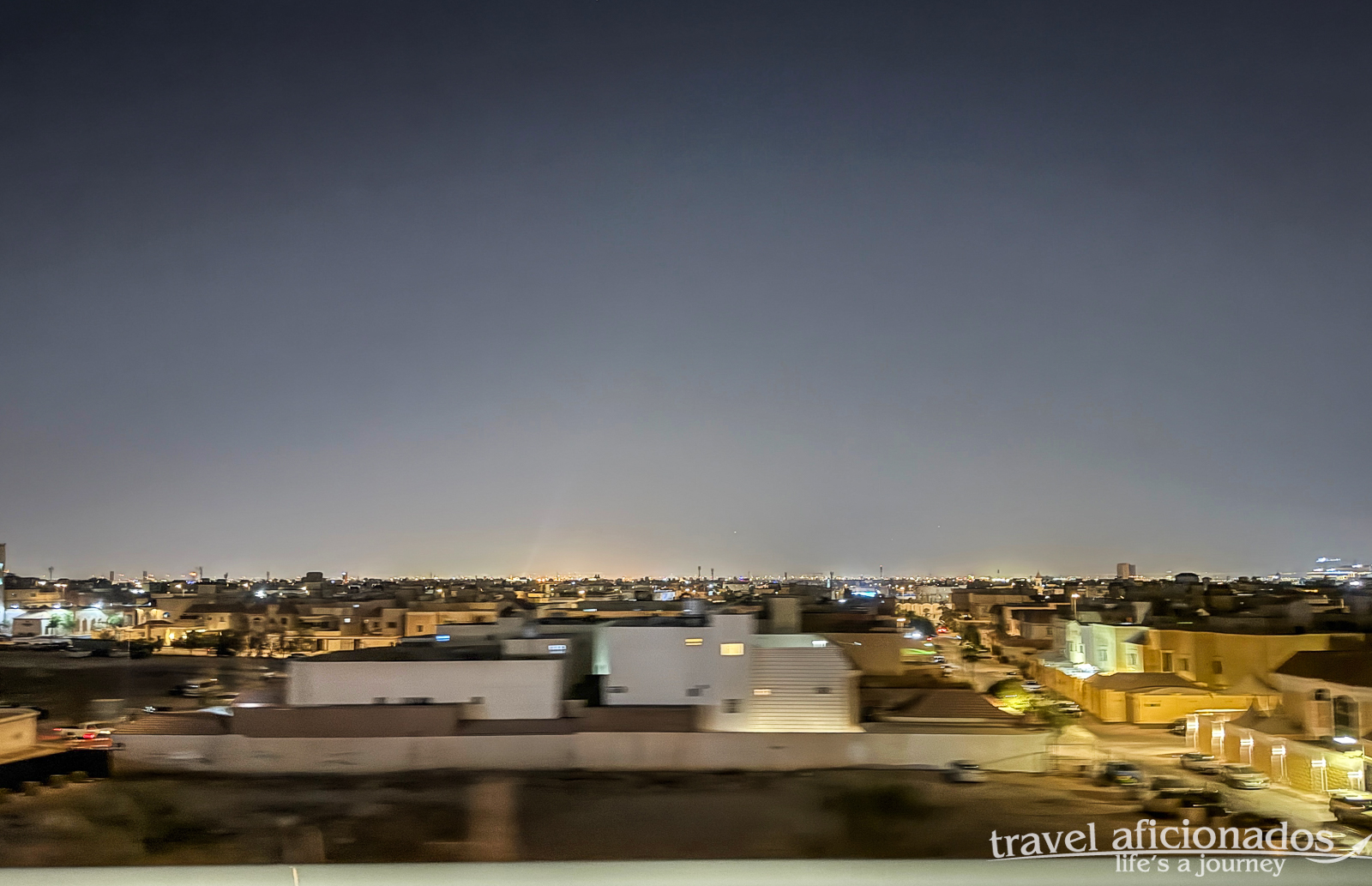
Long stretches are above ground- right and easy sightseeing
I found myself fascinated by the orientation displays. Every station is explained visually in several ways: what it looks like on the surface, how the underground levels are arranged, and how lines connect. It makes navigating the system intuitive, even for newcomers.
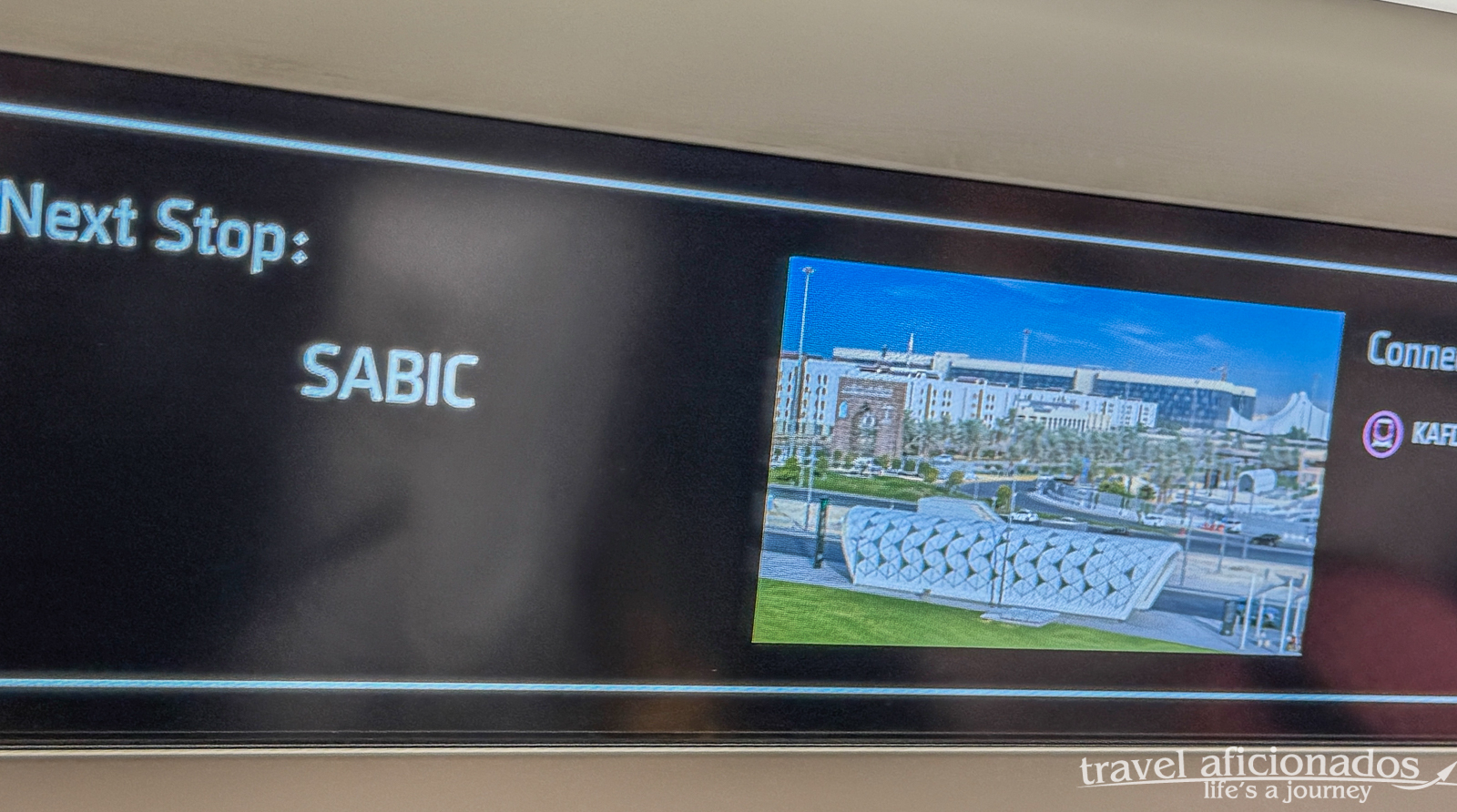
Also the outside of the station is displayed
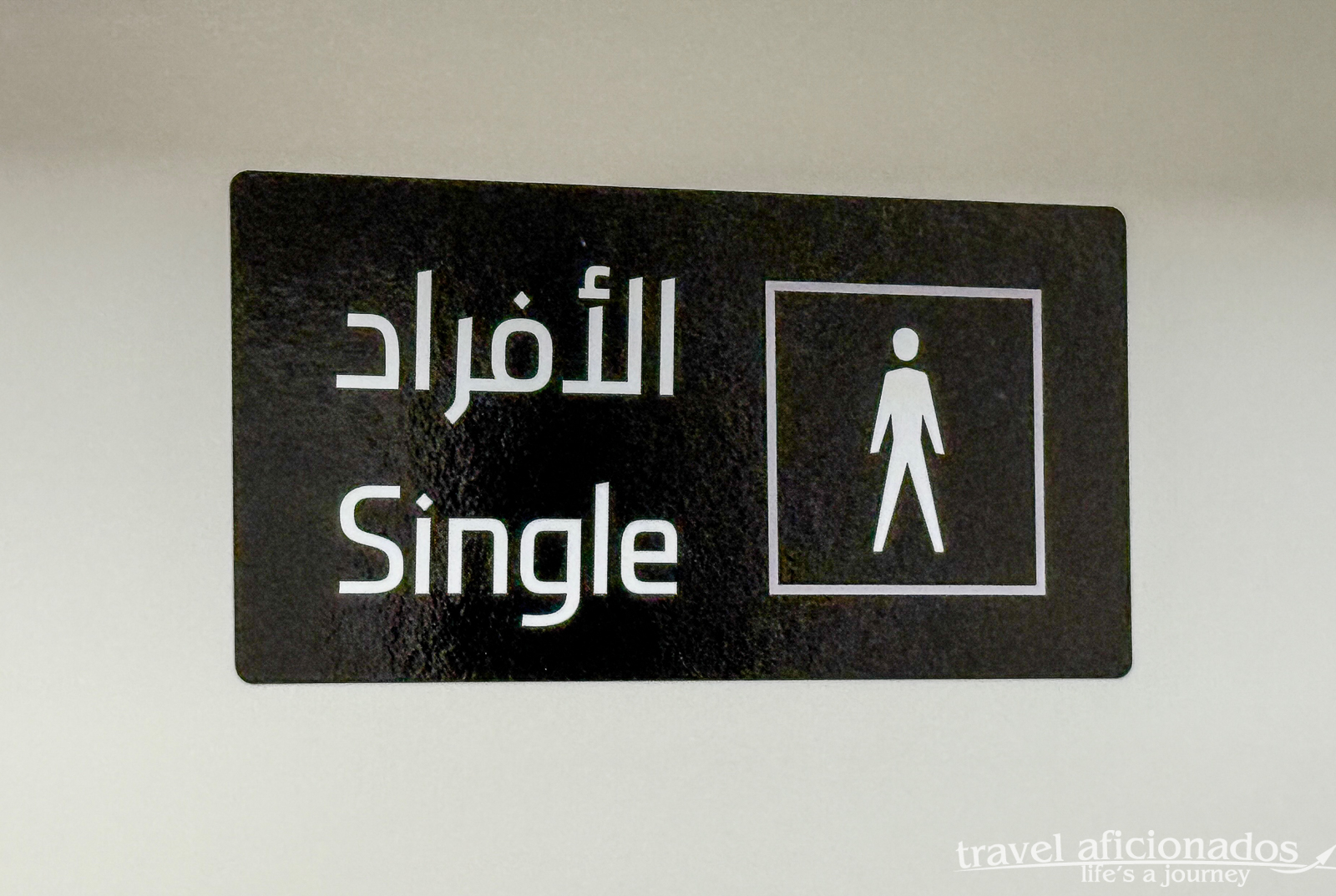
The metro cars are divided into different sections: regular, first class, “single,” and “family.” The single section is mostly men, though I did see women there too. The family section is primarily women and families, but occasionally single men ride there as well. The atmosphere feels flexible rather than rigid.
Trains are usually packed. One night, after a late visit to Sports Boulevard, I took the metro back and found the car filled almost entirely with women. One woman struck up a conversation with me, and I asked why everyone was out so late. She laughed and said, “This is Riyadh—we never sleep.” She had just been shopping, and looking around, it was clear she wasn’t alone: many women were carrying large bags filled with newly acquired purchases.
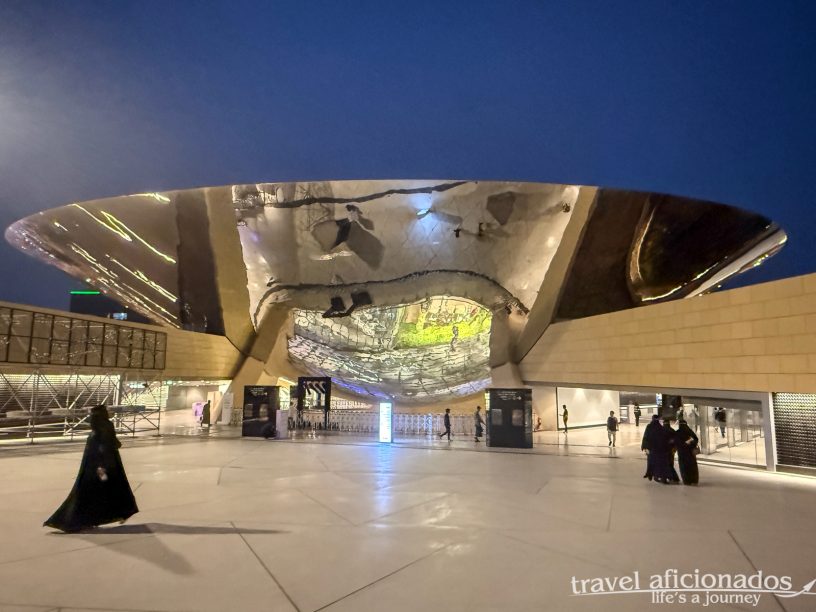
Every station is beautifully designed and spotlessly clean—like most public spaces in Saudi Arabia. But Qasr Al Hokm Metro Station stands out. Located near the renovated historic quarter of old Riyadh and close to Al Masmak Fortress, it feels especially significant. The station features an open pedestrian plaza and a striking polished stainless-steel canopy. The canopy visually connects the different station levels, draws natural light down into the underground spaces, and provides shade for the surrounding public areas.

Qasr Al Hokm Metro Station
If you want to observe everyday Saudi life up close, the metro is the place to be—especially to see Saudi women. At times, it felt like more Saudi women were using the metro than Saudi men, many of whom appear to rely more on cars or are replaced in public transport spaces by foreign workers.
At some stations, women in green uniforms ensure that boarding and exiting happens in an orderly way. Still, I noticed a familiar habit: people sometimes try to enter the train before everyone has fully exited. Some behaviors, it seems, are universal—no matter how new and modern the metro system is.












Leave a Reply