


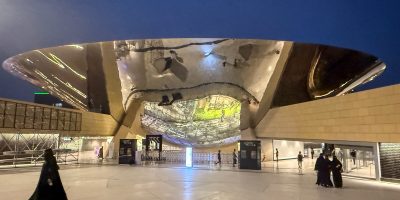

During my first visit to Saudi Arabia, I did not make it to Al-Ula. Instead, I listened to a few travelers I met who spoke enthusiastically about an archaeological site with around 100 monumental tombs carved into massive rock formations, where the Nabataean were laid to rest. The place stayed in my mind.
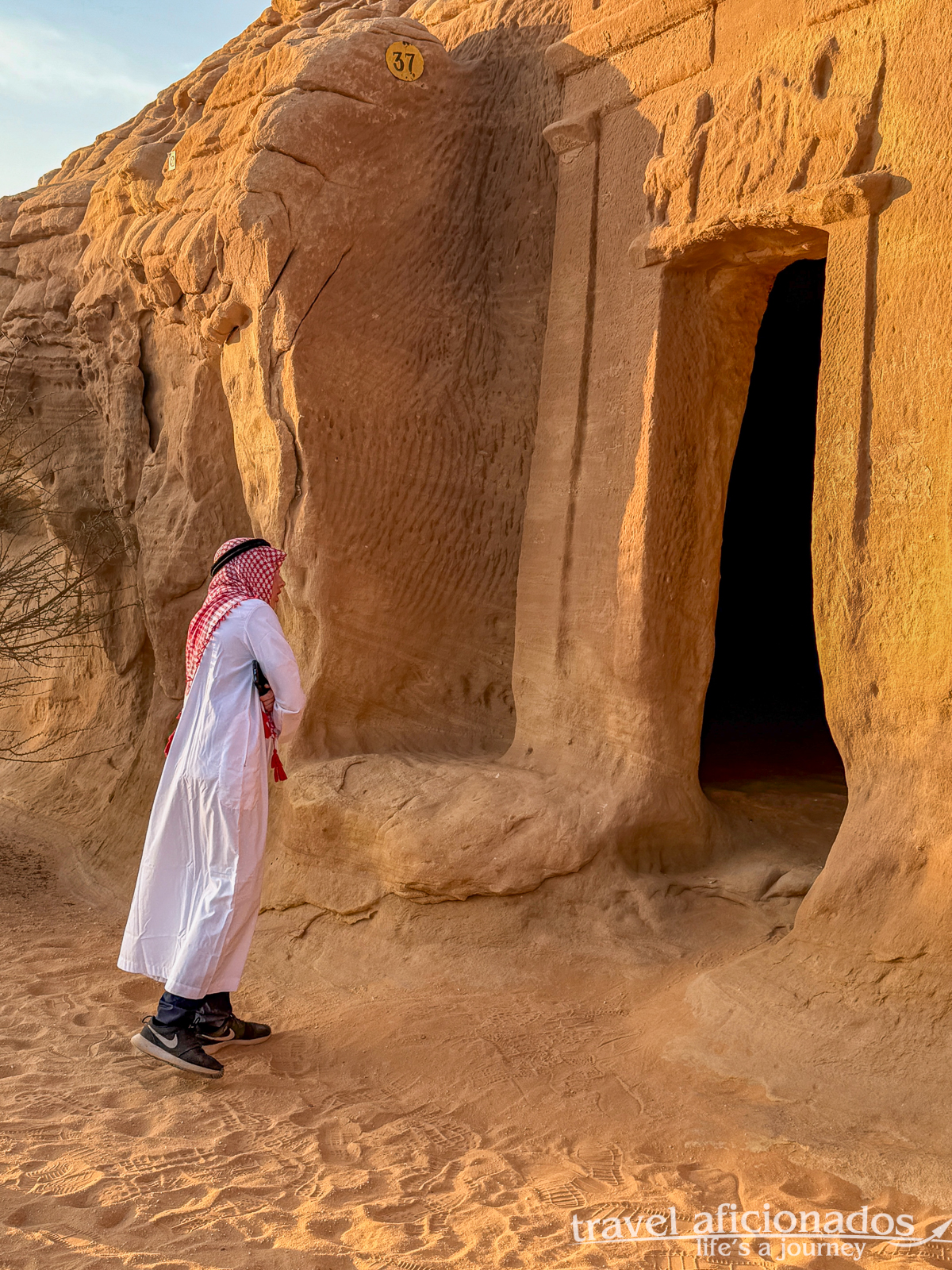
Hegra – 100 ancient tombs from Nabataean times

Map of Saudi Arabia
As this trip drew closer, I knew that if I had time to visit only one place besides Riyadh, where I was attending a conference, it would be Al-Ula.
I arrived rather unprepared. A quick browse through a few websites had left me confused: names like Maraya, Old Al-Ula, Elephant Rock, Shlal, Dadan, and Harrat Viewpoint kept popping up. To me, Al-Ula was simply a place with ancient tombs. To clear up the confusion: that specific site is called Hegra. But Al-Ula offers much more than that, including all the places mentioned above—and more.
Between the 7th and 12th centuries, Al-Ula became an important stop along the incense trade routes. Its vast oasis still provides food for the region and beyond.
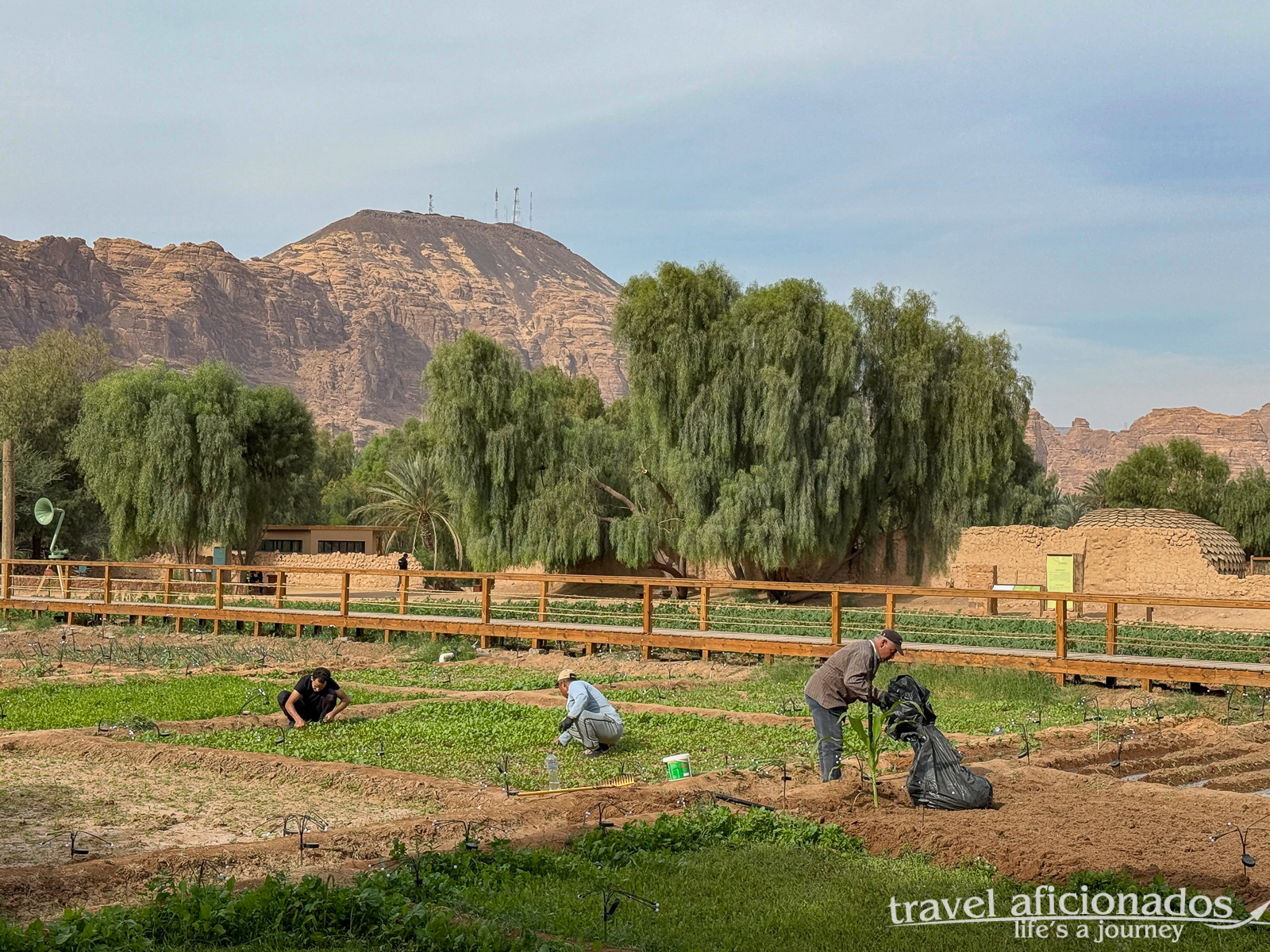
Oasis – worked plucking weed
Modern Al-Ula is a typical Saudi town—car-oriented and relatively quiet, but slowly changing. There is an airport, a trainstation, and a growing range of accommodation. Locals quickly realized that their large houses could also host visitors, and tourism has become so popular that the government is now considering regulations.

Our home at Abofasil
Restaurants are rare, a Jemenite restaurant across our home-stay was simple, but served tasty food. Luckily, they even had a menu in English, my dish translated into “mutilated chicken”. Plastic is omnipresent, everything is wrapped in plastic, even plastic, it reminded me of Iran where oil is equally cheap
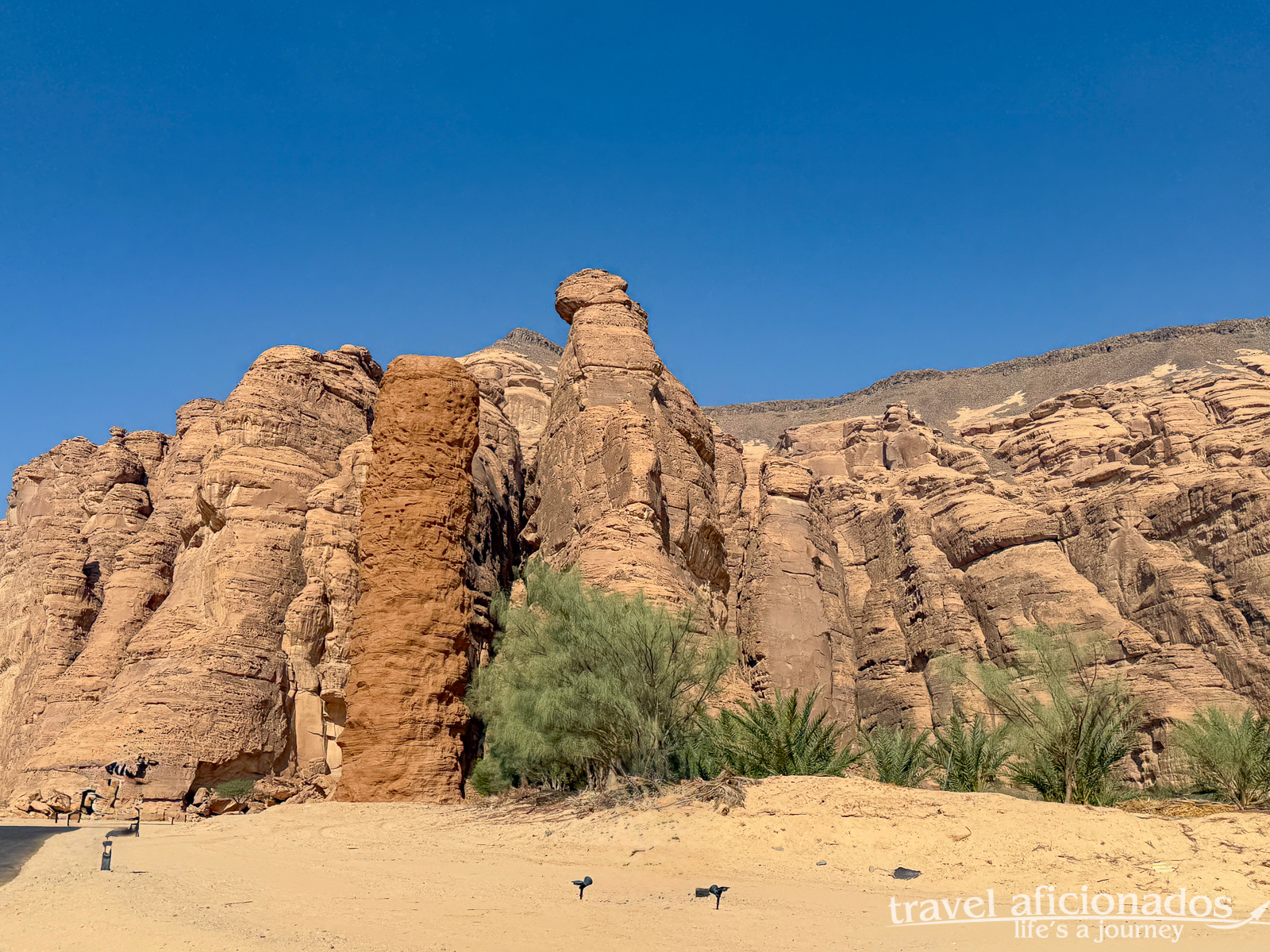
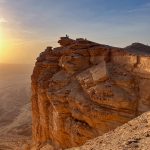
What I did not expect was the scenery. Wherever you are in Al-Ula, you are surrounded by rock formations that date back roughly 540–485 million years. Throughout Al-Ula, the variety of landscapes is striking. Red rocks shift in appearance as the sun moves across the sky, changing the mood of the place throughout the day.

Wherever you are in Al-Ula, you are surrounded by rock formations
Al-Ula – Old Town
Al-Ula’s history unfolds in its Old Town, set beside a lush oasis. I learned the hard way that timing matters. Coming back from Maraya, I asked the driver to stop at 1 p.m.—not a great idea. The place was completely deserted. Only in the cool of the evening do visitors and locals fill the narrow streets of Al-Deira, Al-Ula’s Old Town, even in December.
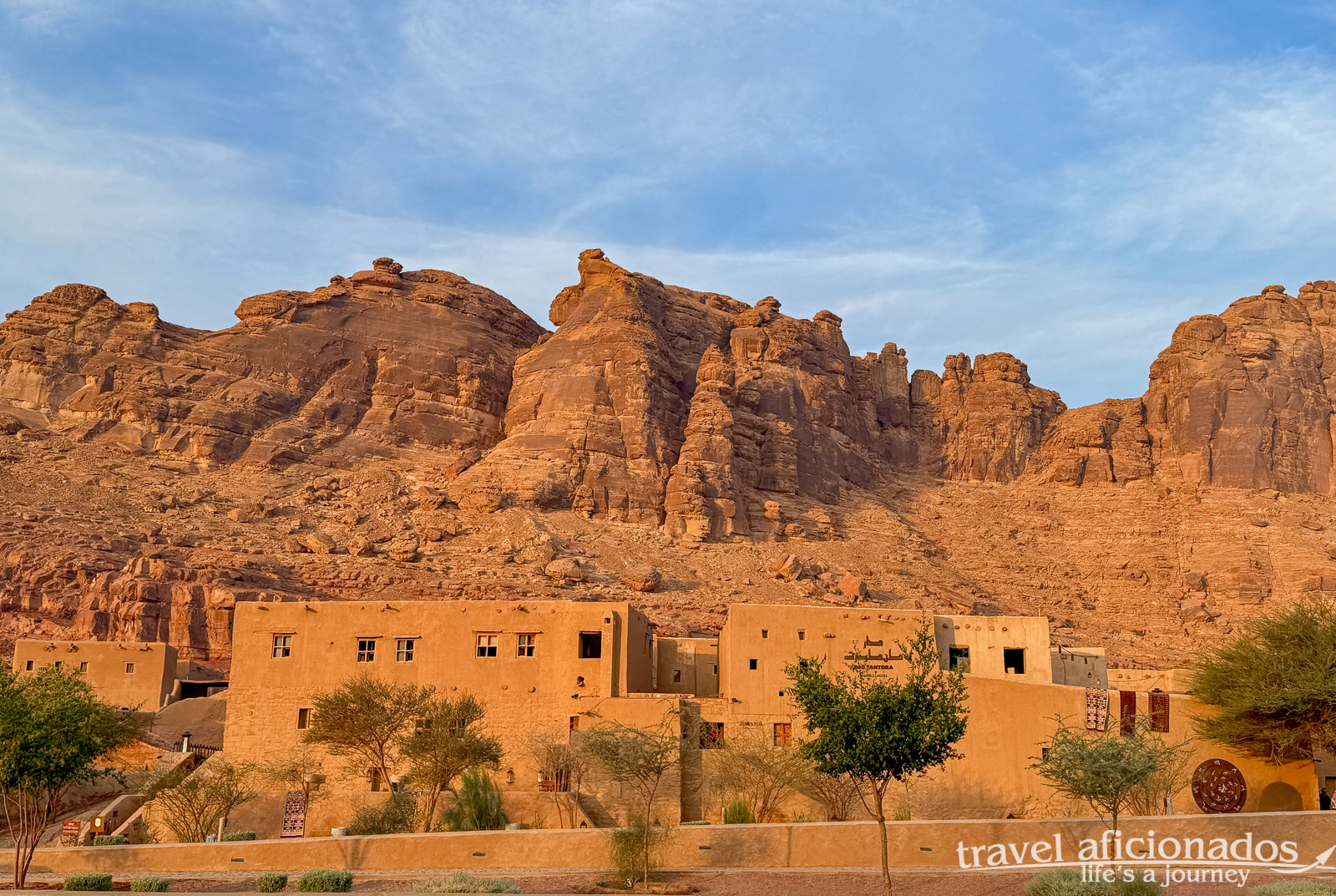
Renovated Old Al-Ula- view from the street
The labyrinth of Al-Ula’s streets was full of life from the 12th century until as recently as the 1980s, when the mudbrick houses of Al-Deira were abandoned and residents moved to modern Al-Ula. My host, Abofasil, grew up in the Old Town. He told me it was not an easy life: mud buildings, no electricity, and no proper plumbing. About 50 years ago, the government relocated residents to a new settlement roughly three kilometers south—today’s Al-Ula.
Since then, a large-scale restoration project using traditional materials has brought new life to this historic area. More than 900 closely packed mudbrick buildings now house restaurants, souvenir shops, and art spaces.
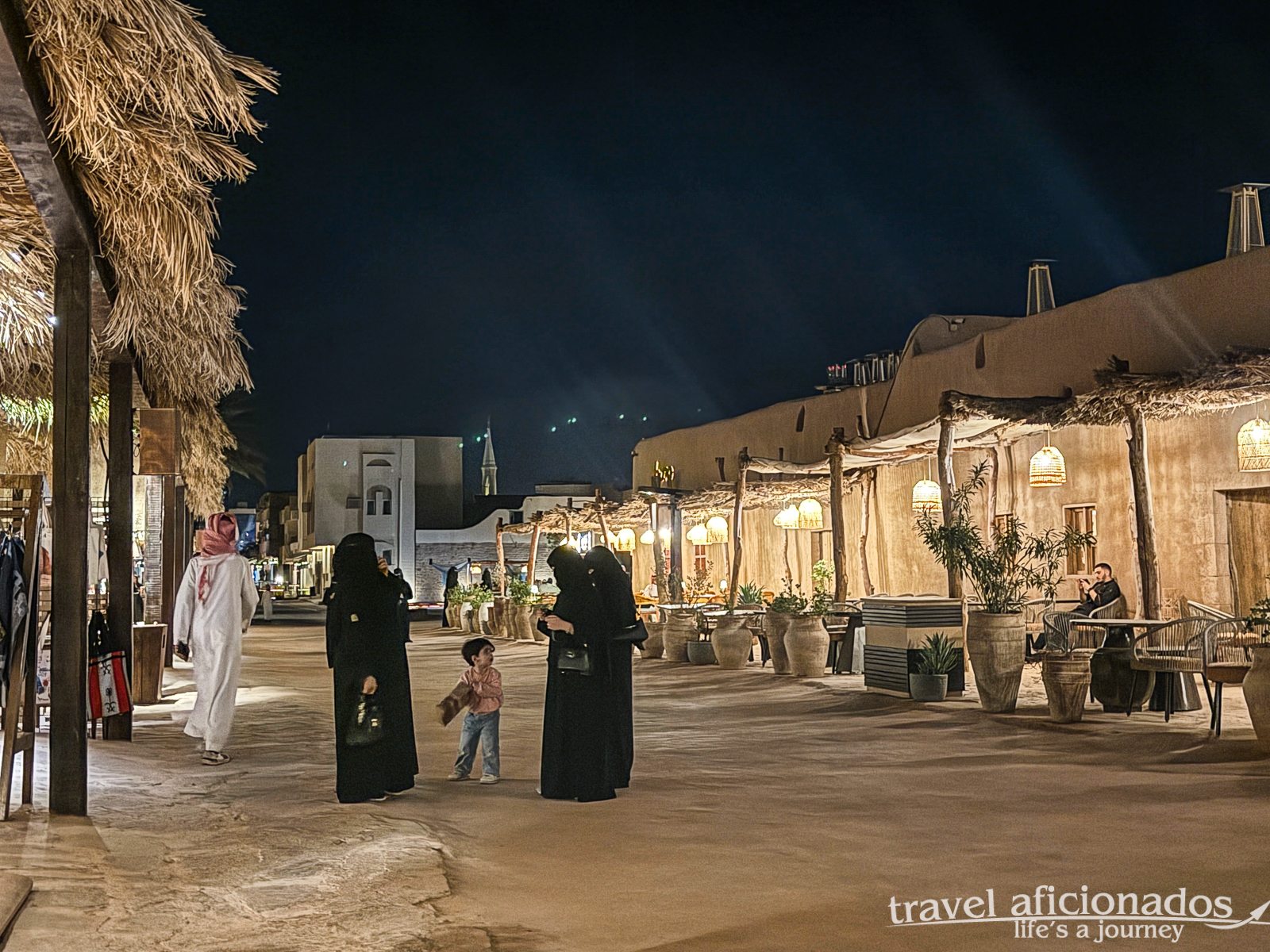
Market Street at night – Old Al-Ula
One evening, while sitting in a café and watching Saudi families pass by, a young man approached me to ask for feedback on the place. We immediately hit it off and laughed a lot. When I was leaving Al-Ula, I even heard my name announced at the airport. Honi, who also worked in a souvenir shop, had come to say goodbye and gave me the loveliest farewell gift: a small paper clip shaped like interlocking hands.
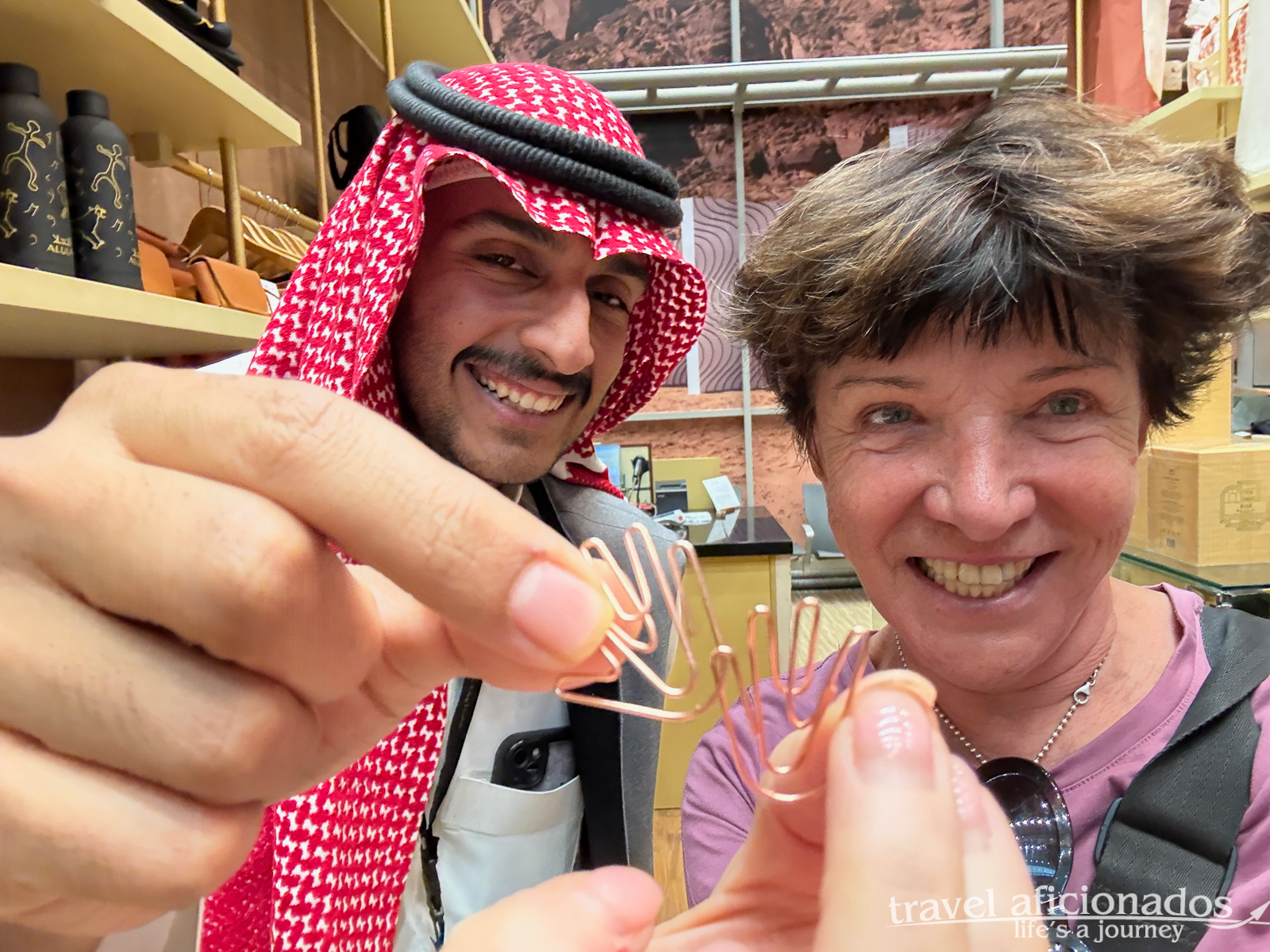
Honi rewarded me with this lovely Gift
Hegra – the Petra of Saudi Arabia
Visiting Saudi Arabia’s first UNESCO World Heritage Site is a journey into the heart of the Nabataean civilization—a story written in stone.
Hegra reveals the scale of this culture through more than 100 ancient tombs, intricate rock carvings, and sacred spaces. The tombs were built to hold the remains of families, and their social status is reflected in both size and decoration. Higher up in the mountains, the tombs become simpler pit graves, likely used by people of lower status.

Hegra – 100 Nabatean tombs carved into rock faces
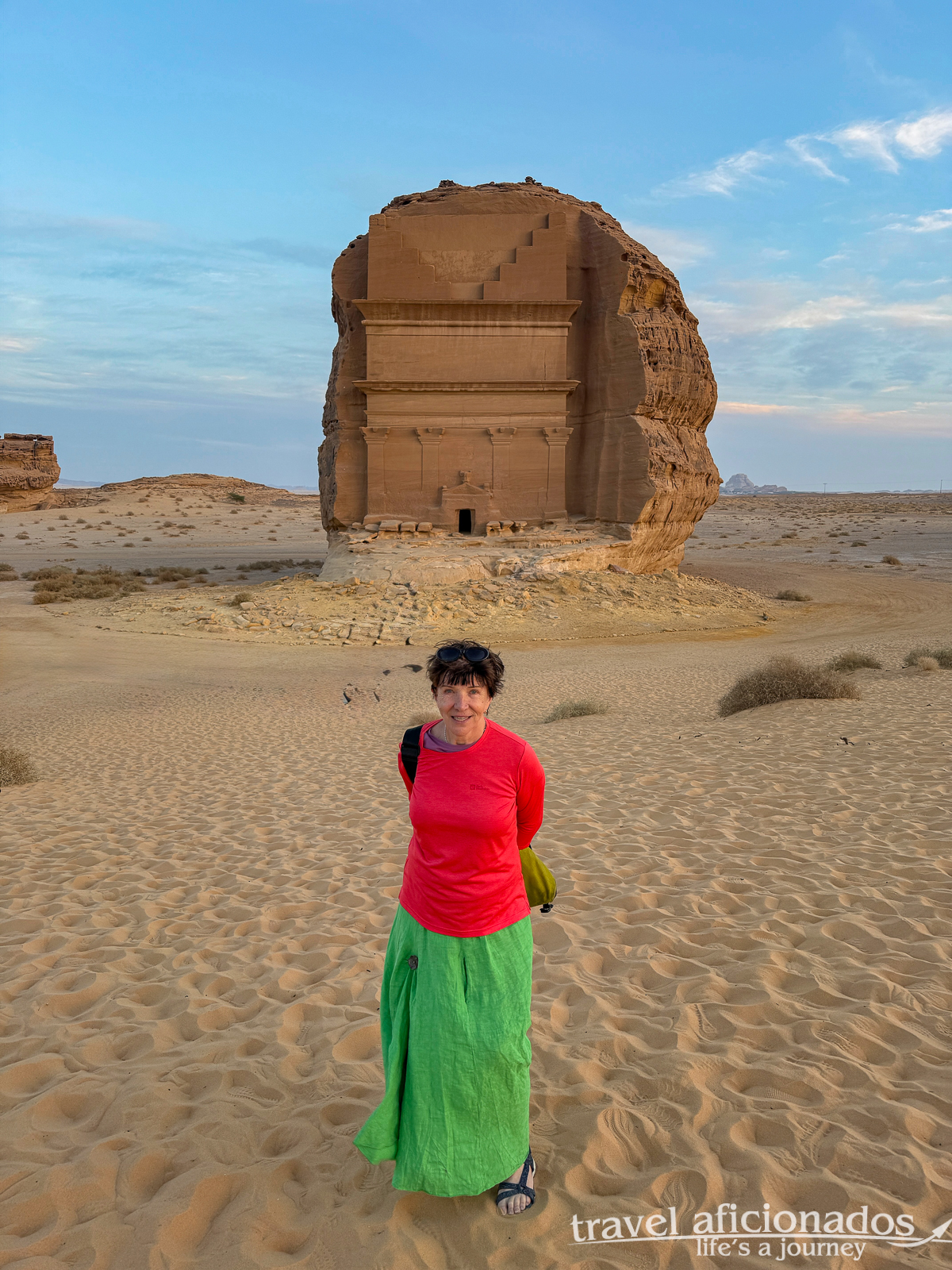
Unfinished tomb at Hegra
What makes Hegra especially remarkable is the number and variety of preserved inscriptions. Many tombs include texts naming who commissioned them and when, and sometimes even the craftsperson who carved them.
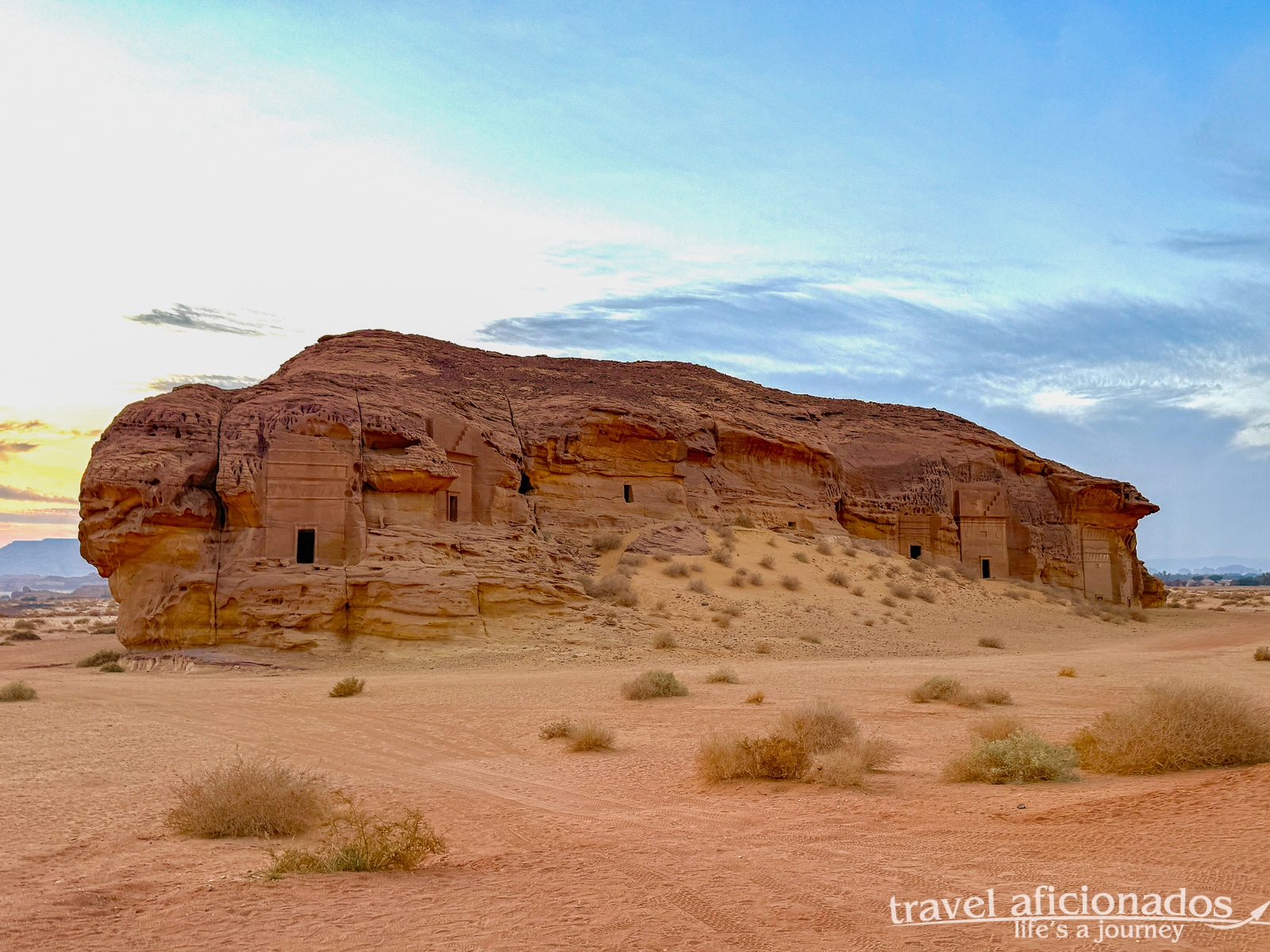
Tombs carved into the rock faces
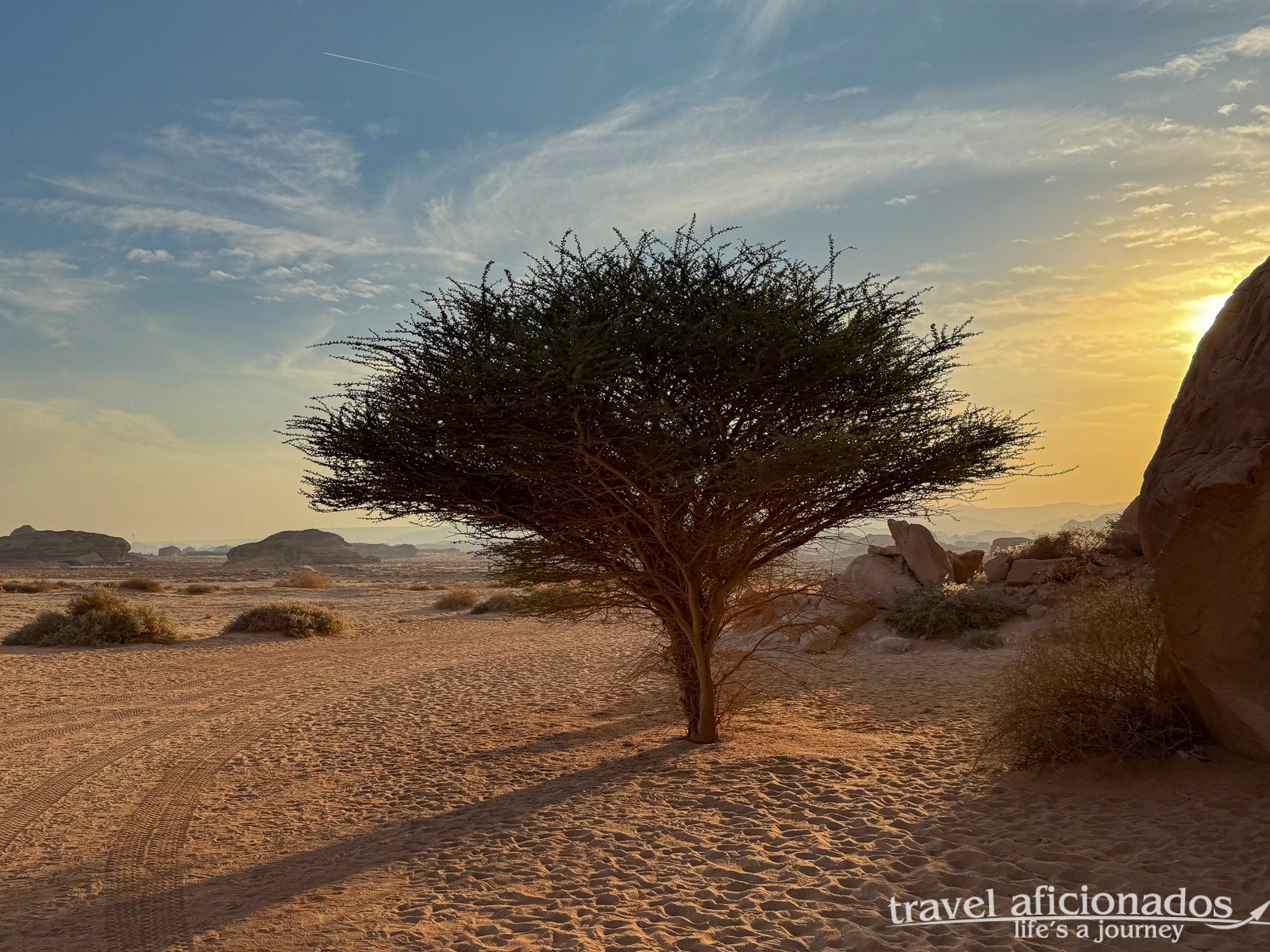
Scenery at Hegra
How to visit Hegra
There are essentially three ways to see Hegra. I booked a guided tour—something I usually avoid—but I only had one and a half days to see Al-Ula.
All tours start at a place called Winter Park, north of the Old Town. From there, buses take visitors to Hegra and around the archaeological site. On my tour, we stopped at about eight different locations within the archeological park.
Another option is a hop-on, hop-off bus. You can get off, explore at your own pace, and catch the next bus.
If you prefer more privacy, you can hire a jeep with a driver for around 100 USD. It’s more flexible and crowd-free, but entirely self-guided.
I chose the last tour of the day, thinking that sunset would make the visit even more special. What I forgot was that it was early December, and by the time we reached the final stop, the light had already faded, making photography a bit of a challenge.
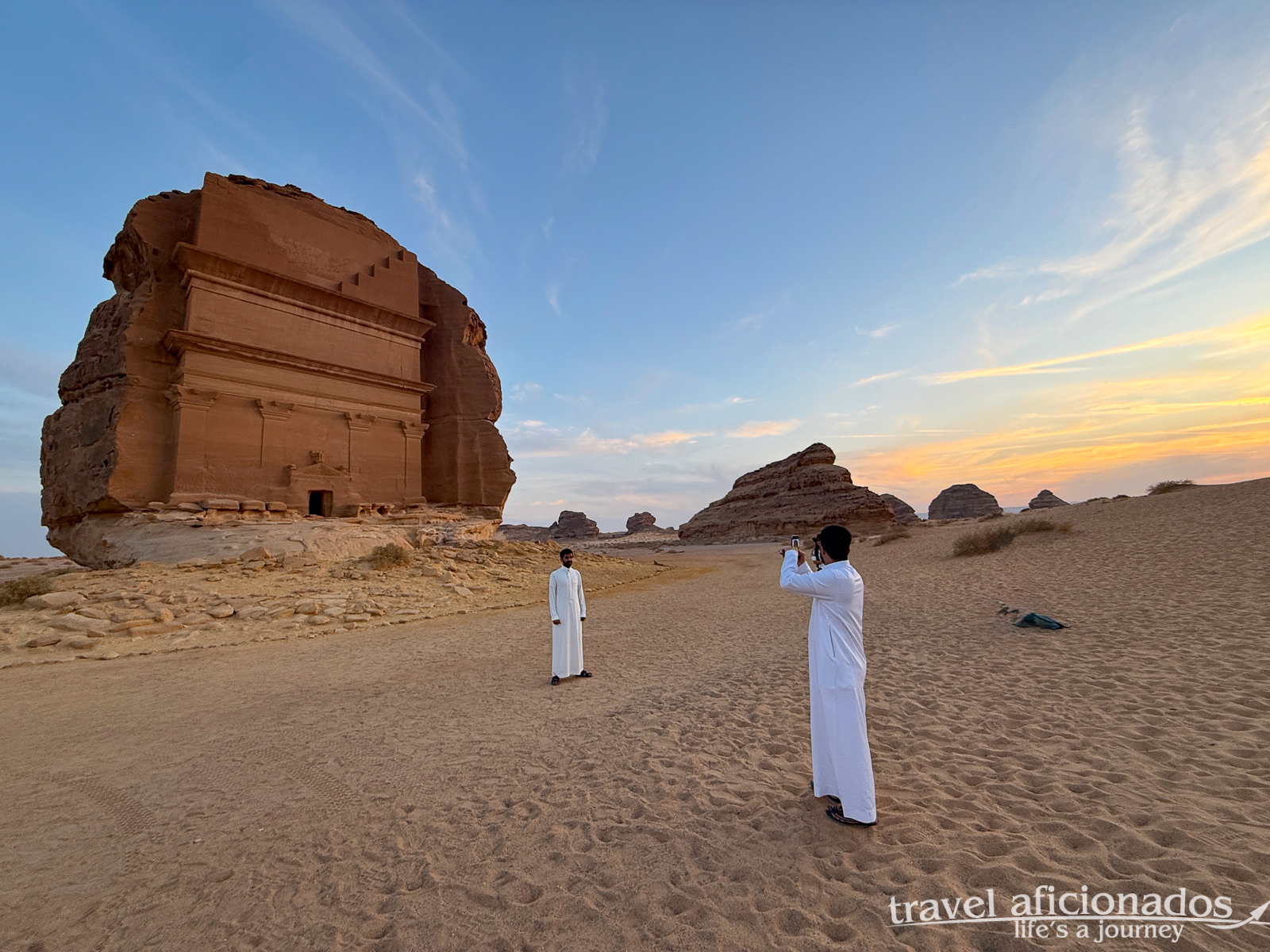
The roughly 20 tourists on my bus came from all over the world. A group of young Chinese women caught my attention. Influencer-style, they posed in front of the tombs and in the sand, dressed far more freely than I had expected. Even I noticed—but in today’s Saudi Arabia, such details no longer cause much excitement.
Jabal Alfil – Elephant Rock
This is the place for sunset.
True to its name, Jabal Alfil—Elephant Rock—is a red sandstone giant shaped like an elephant. Sculpted by millions of years of wind and water, it rises dramatically from the desert floor, a natural artwork standing 53 meters tall.
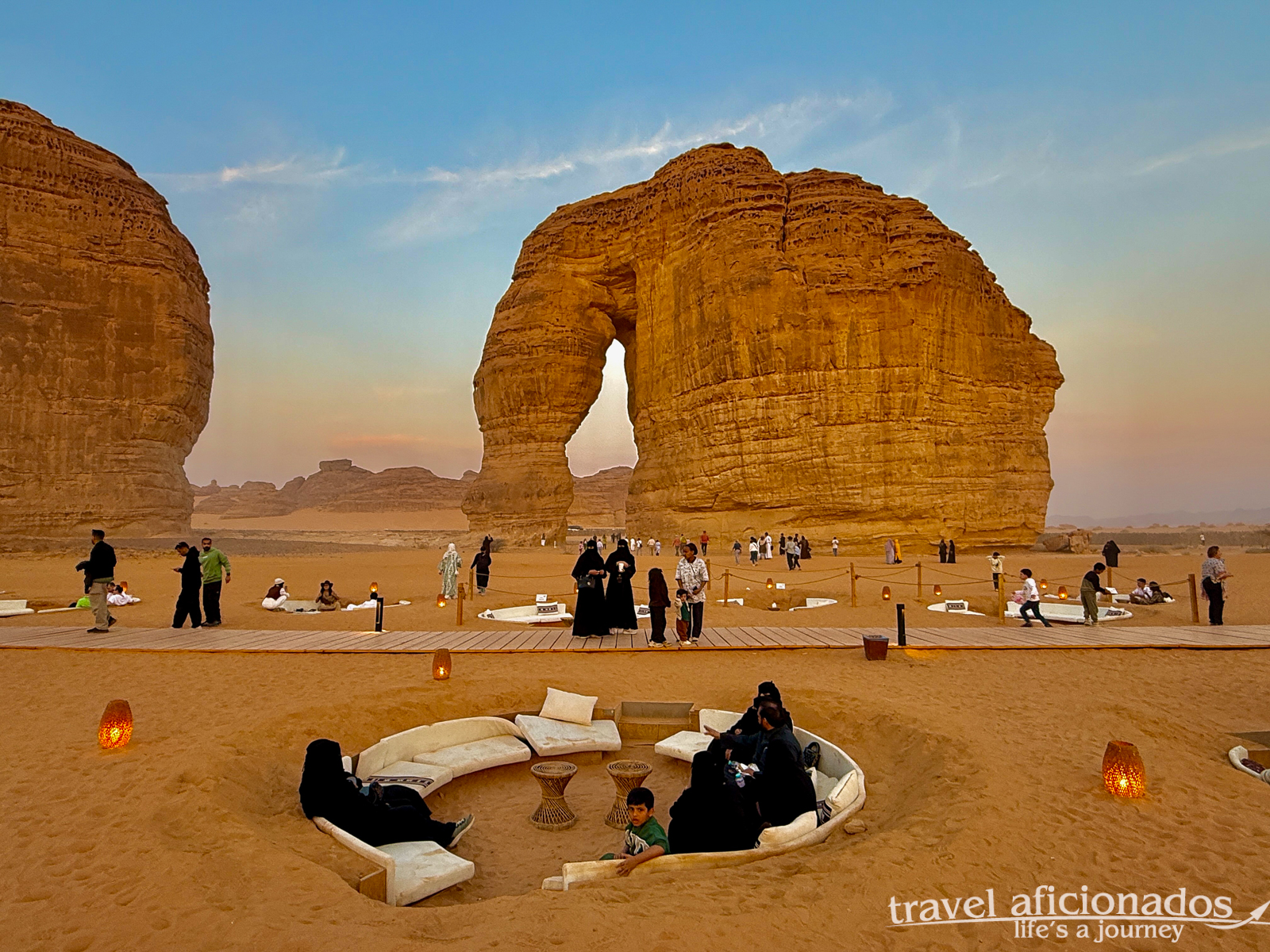
Most intriguing features of the site are the small circular seating areas dug into the ground
And yet, it’s not just the famous elephant shape that makes you gasp—so do the surrounding rock formations, especially as they turn deep red in the fading light.
I arrived in Al-Ula in the afternoon, with limited time to explore. Elephant Rock was the closest major attraction from the new town, where most foreign visitors stay. Many Saudi travelers opt for the luxury resorts in Hegra, Maymara, and other remote areas surrounded by dramatic rock formations.
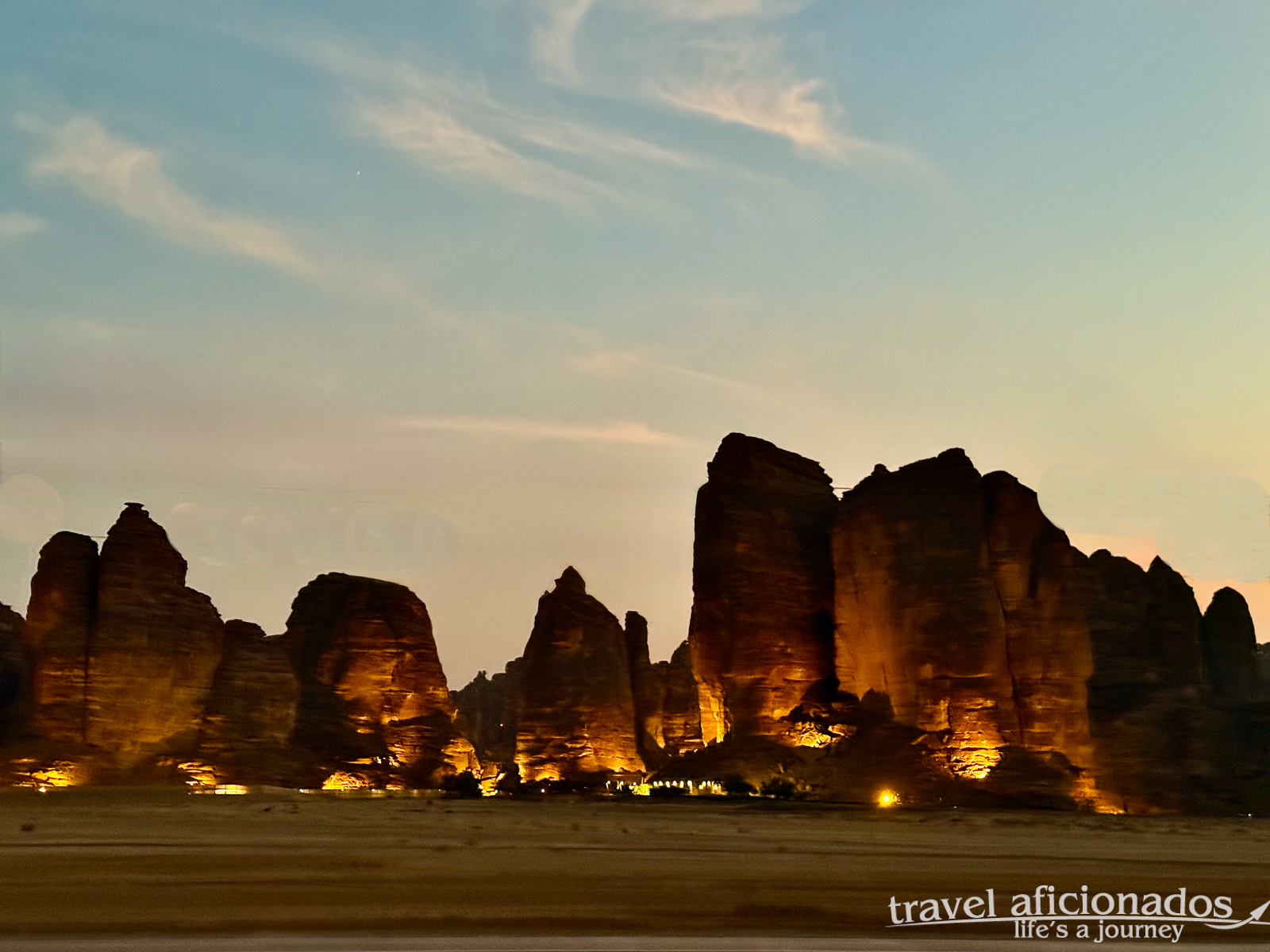
Luxor resorts in the desert surrounded by most fascinating rock formations
I took a taxi and arrived just before sunset, just in time to watch the sun slipping behind the dark silhouettes of the mountains.
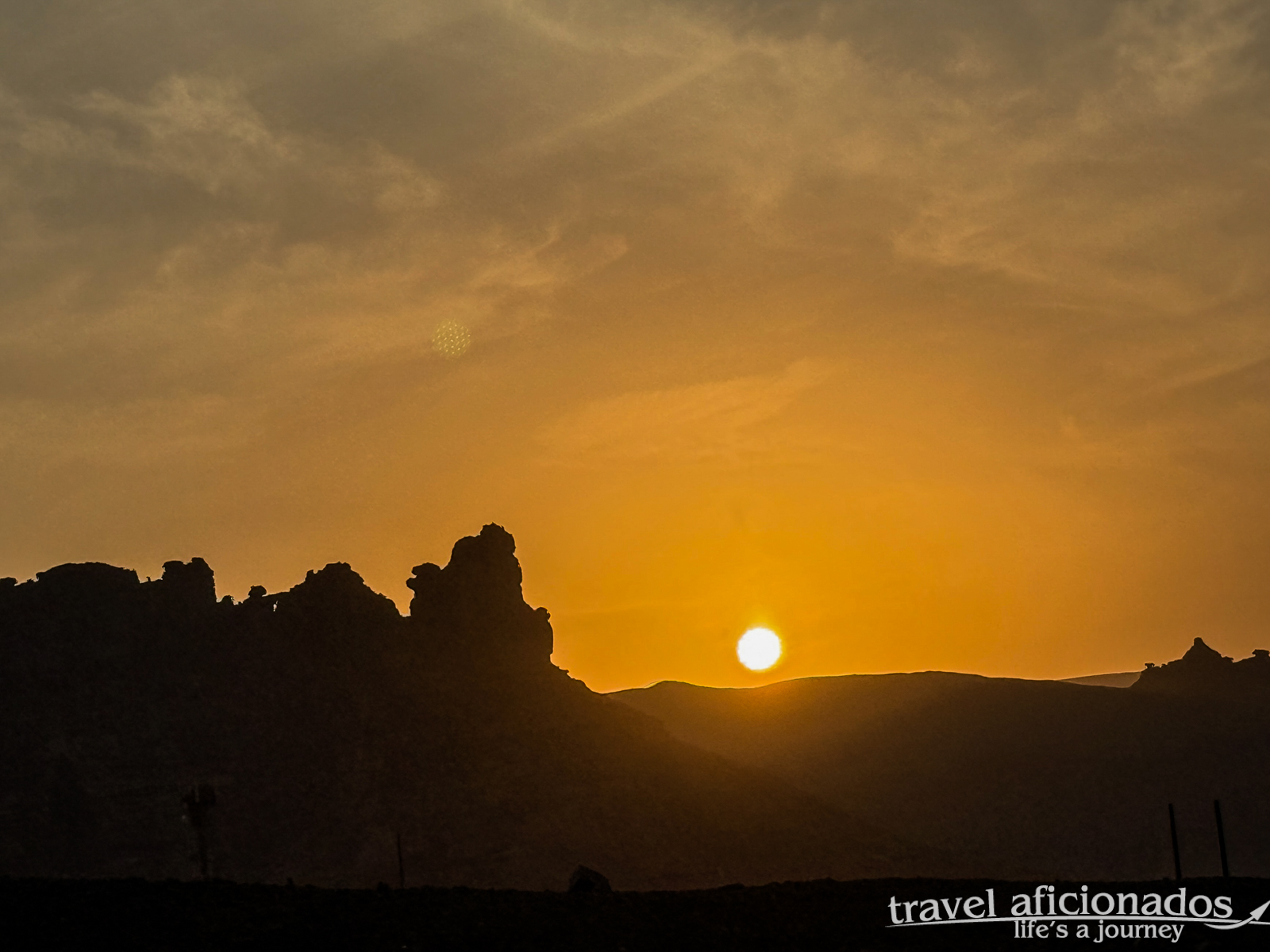
Sunset a Elephant’s Rock
The visitors were a mix of international tourists—many of them Chinese—and plenty Saudis enjoying the evening. One of the most intriguing features of the site are the small circular seating areas carved into the ground, intimate little gathering spots where people sit sipping tea, sharing shisha, watching the sunset, or lingering long enough to stargaze. The design was simple and elegant, refreshingly free of the heavy, ornate oriental baroque often found in private homes. I’d read about fire pits, but none were lit yet—clearly, the desert hadn’t cooled enough.
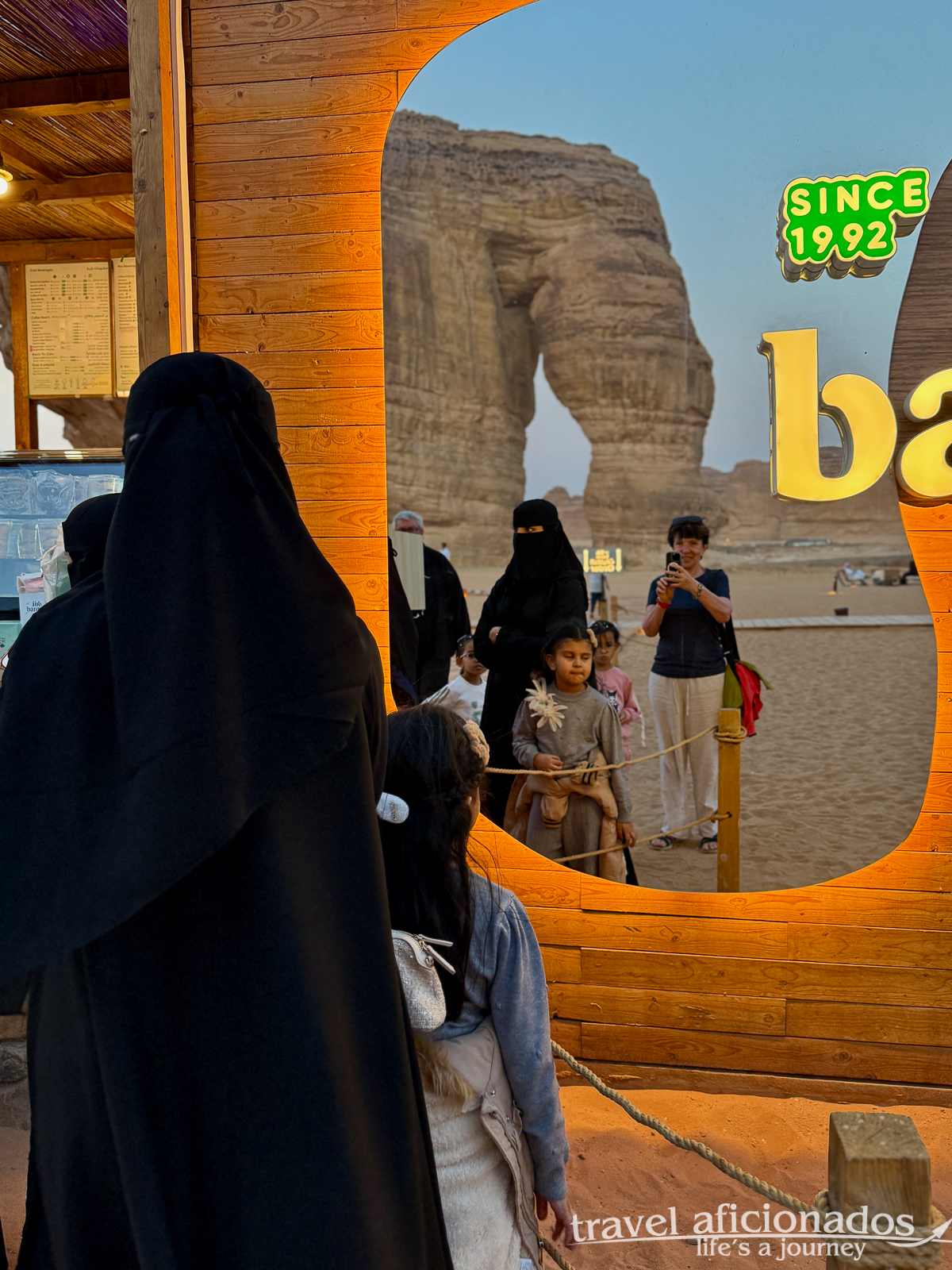
Lining up a at SALT food Truck. The company is omnipräsent throughout Al-Ula
A small food truck served snacks and drinks, and posters advertised live music on weekends. . It was fairly busy, though on local mentioned “This is nothing,”. Obviously it was quiet compared to festival times, when Elephant Rock becomes a popular camping spot and the formations are lit up with light shows, with music echoing through the desert.
Even without the crowds, it’s easy to see why this spot is one of Al-Ula’s highlights.
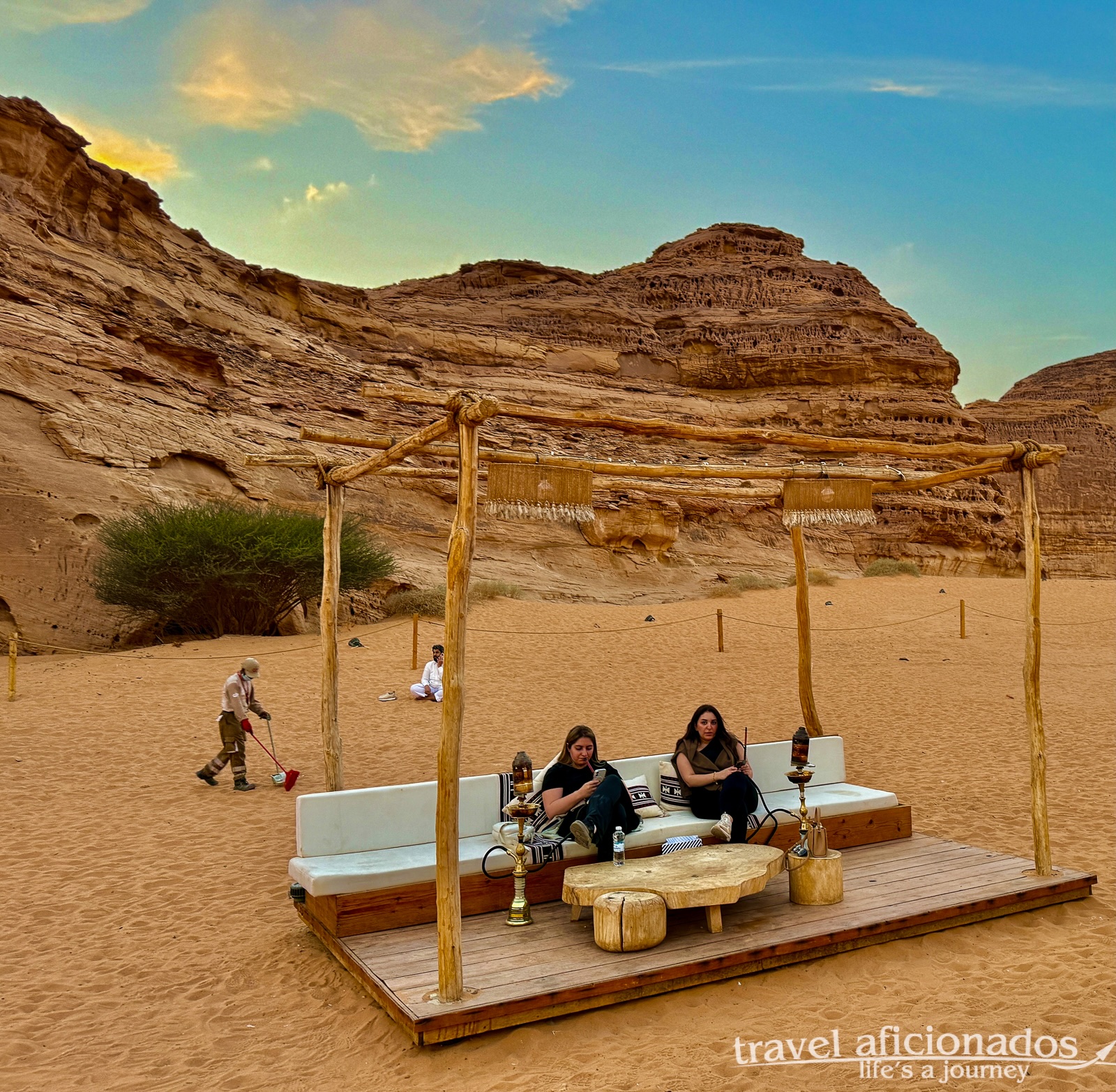
Elephant Rock -watching the sunset over a shisha
Daimumah Oasis
I didn’t expect to be surprised by AlUla’s oasis—but I was. On the way to the various sites, I passed endless groves of palm trees. When my host, Abofasil, suggested I shoul walk through the oasis from Old Town, I imagined a straightforward stroll. Instead, I wandered into something utterly unexpected.
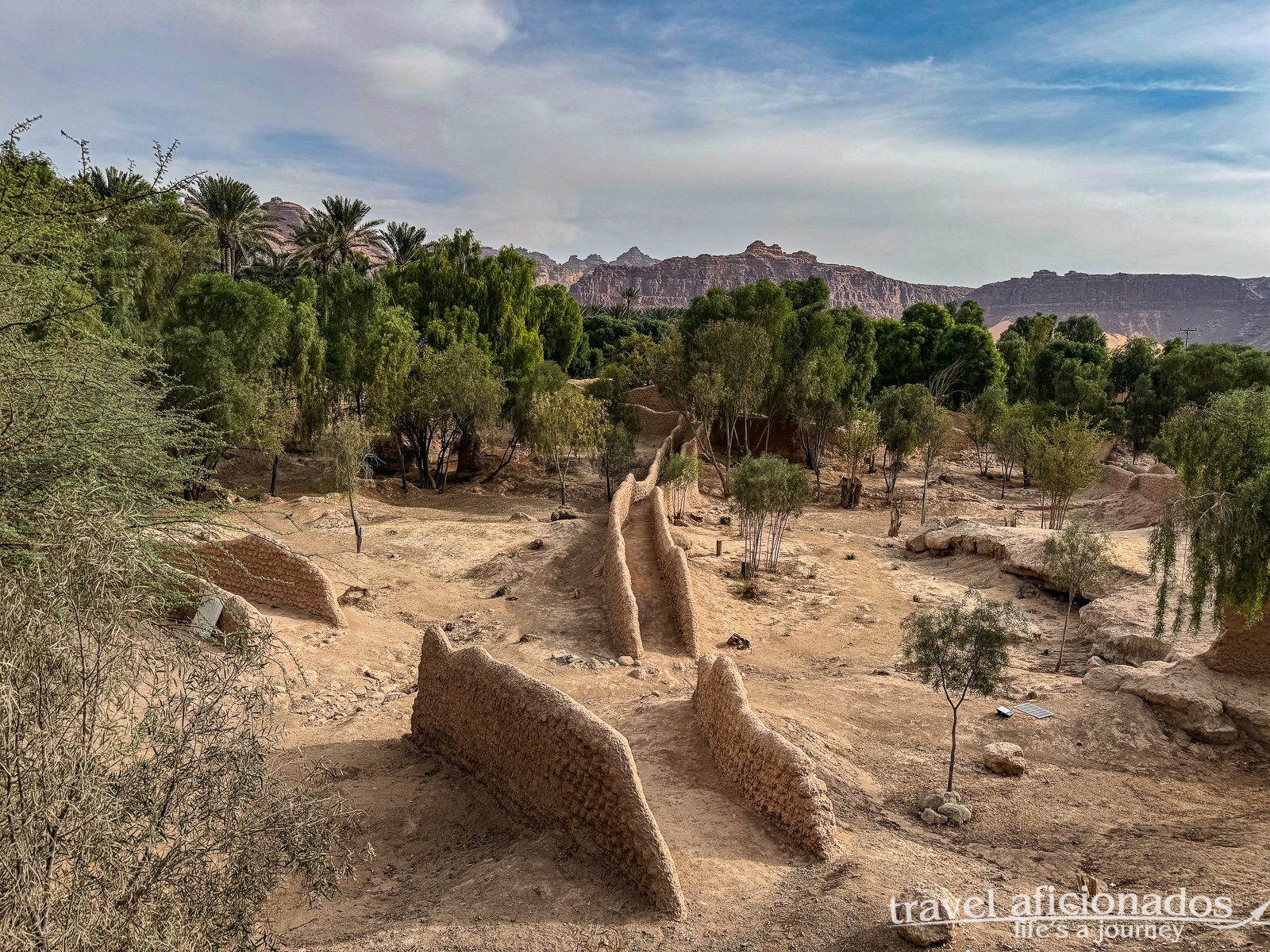
Ancient structures surrounded by an oasis
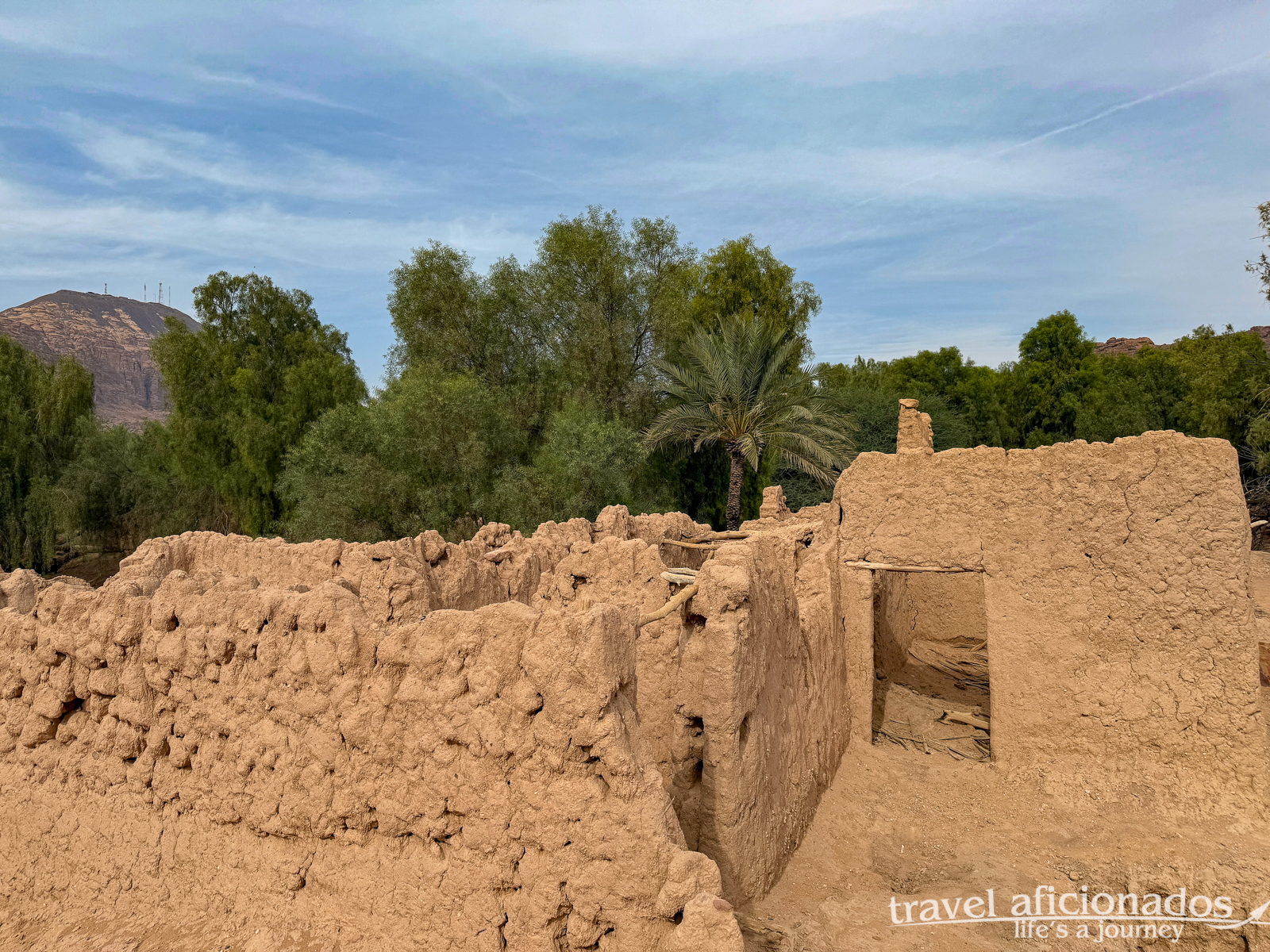
Ancient structures surrounded by an oasis
Mud-brick walls appeared, guiding narrow paths through fields and palms. Low mud walls framed the walkways, drawing me deeper into the oasis. A young Saudi man greeted me, and after paying a small fee, I found myself walking along a shaded trail beneath towering date palms, led by a young female guide.
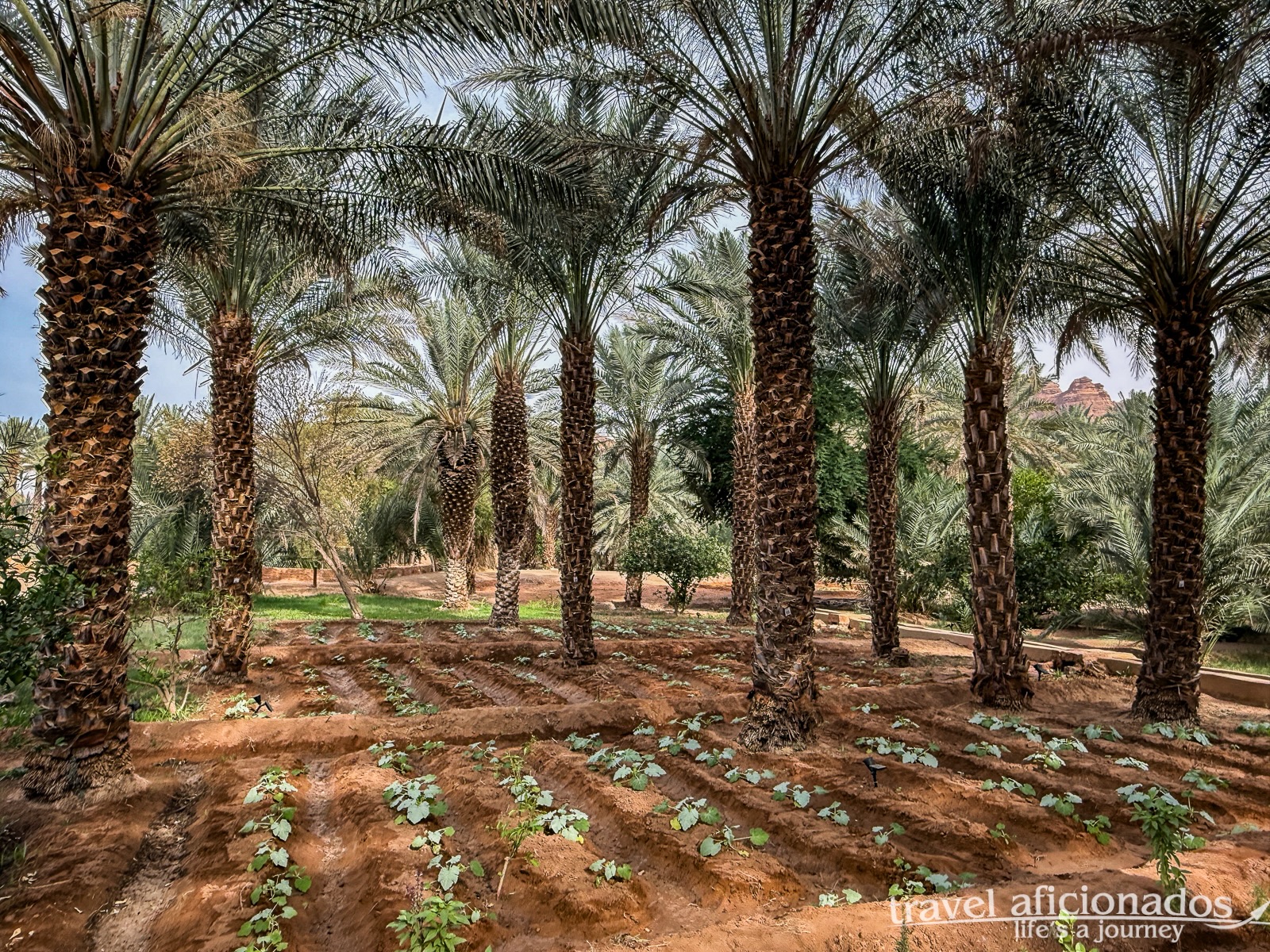
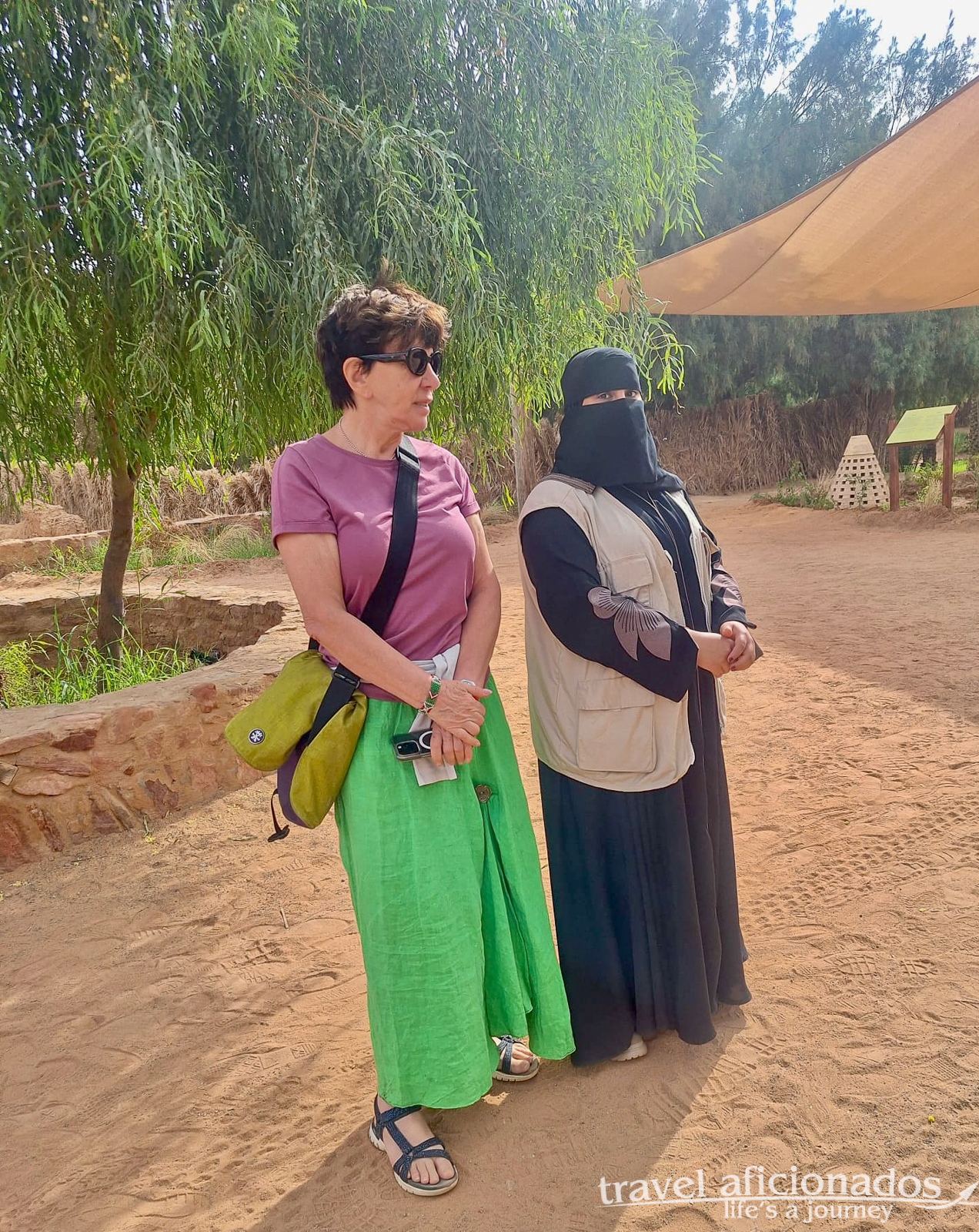 Vegetables grew in neat rows, workers pulled weeds by hand, and contemporary art appeared unexpectedly. One installation featured oversized ears, inviting visitors to “listen” to the trees—as if the palms themselves had stories to tell.
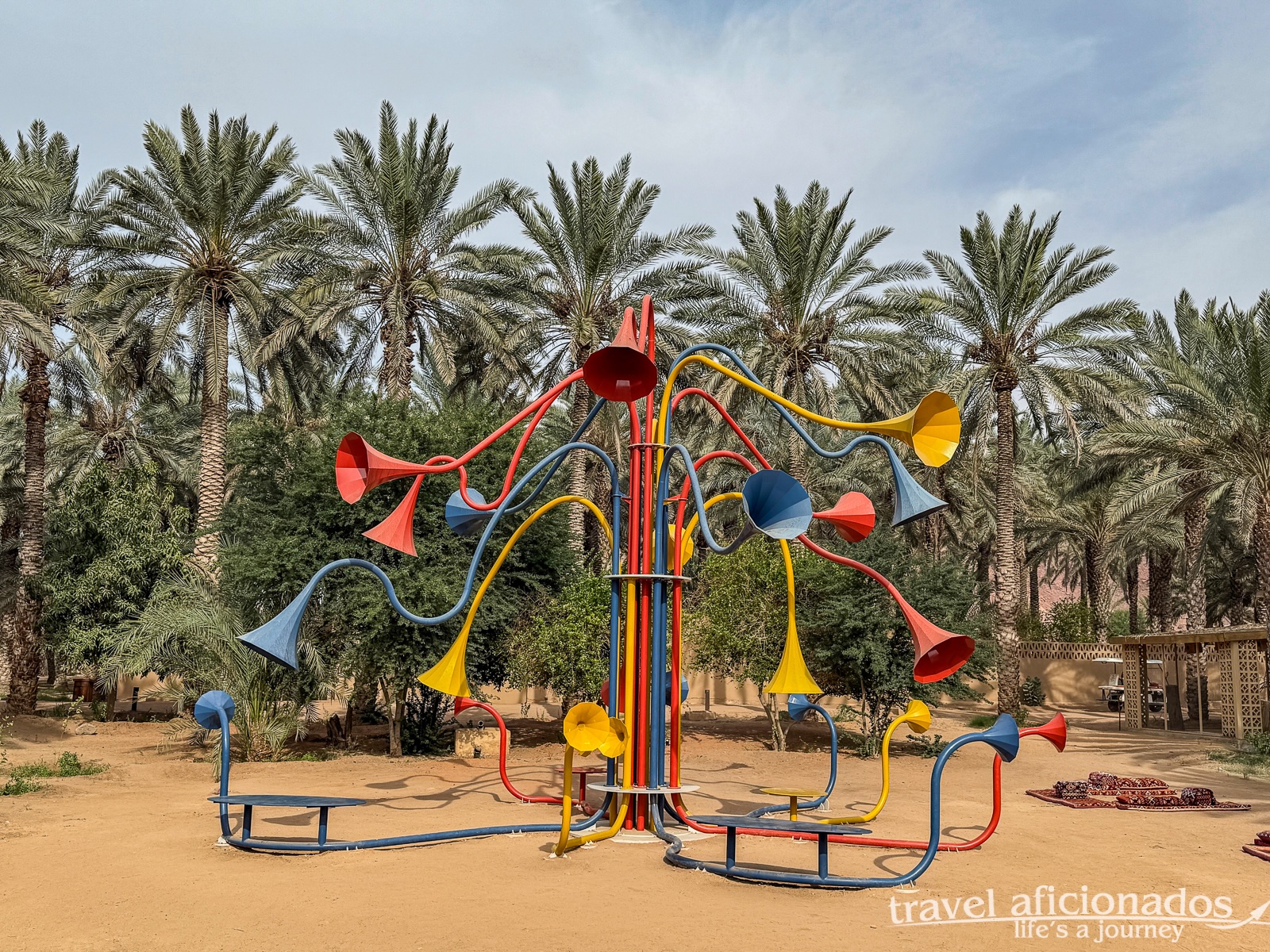
Artistic Installation in Daimumah Oasis
Naturally, I couldn’t resist stopping at the small café. I ordered something that sounded deeply traditional, without the slightest idea of what it might be. What arrived was a plate of dense, dark date pulp—rich, sticky, and impossibly filling. I estimated roughly 4,000 calories and gave up after just a few spoonfuls.
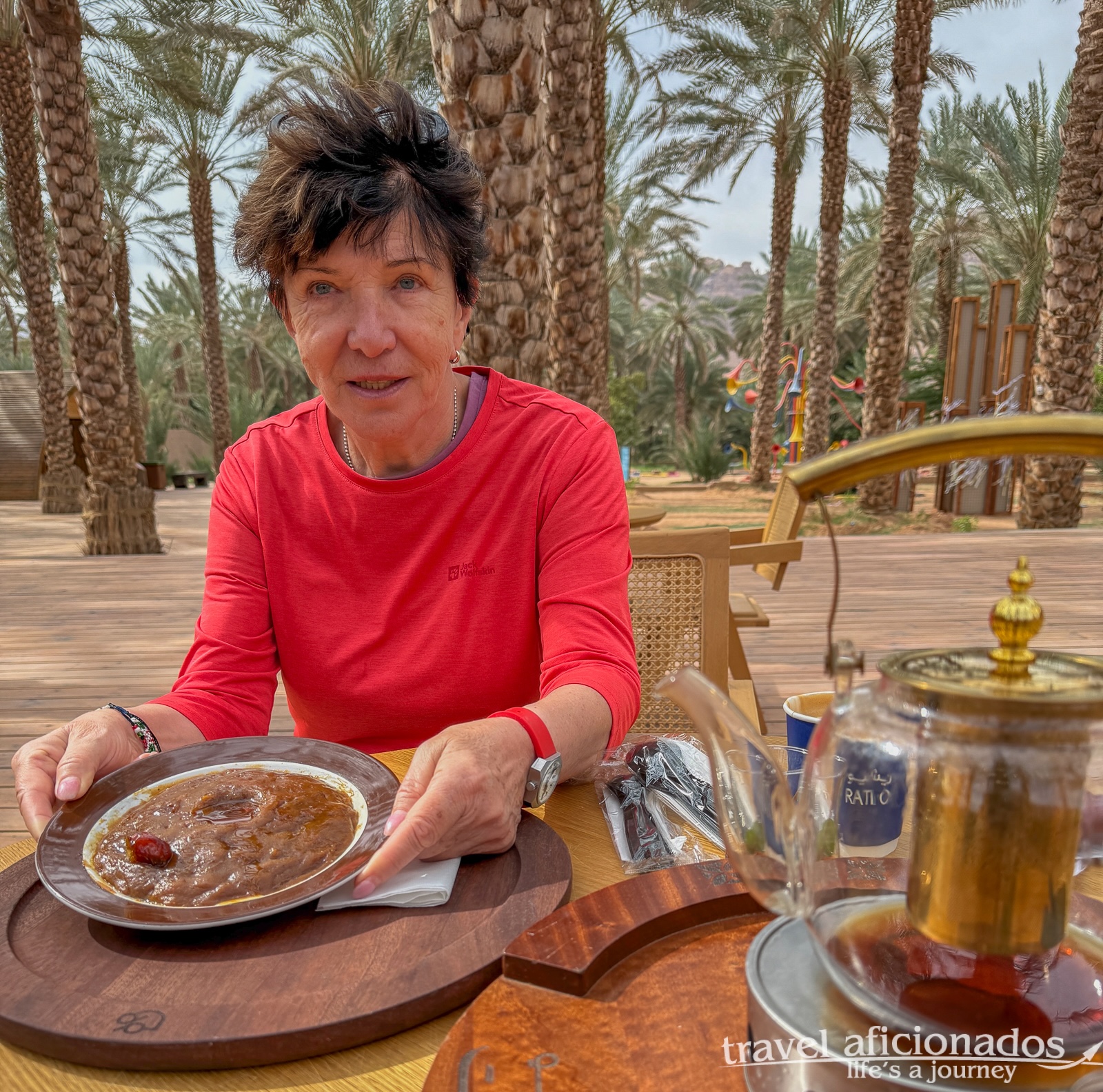
Whatever it was- it was filling
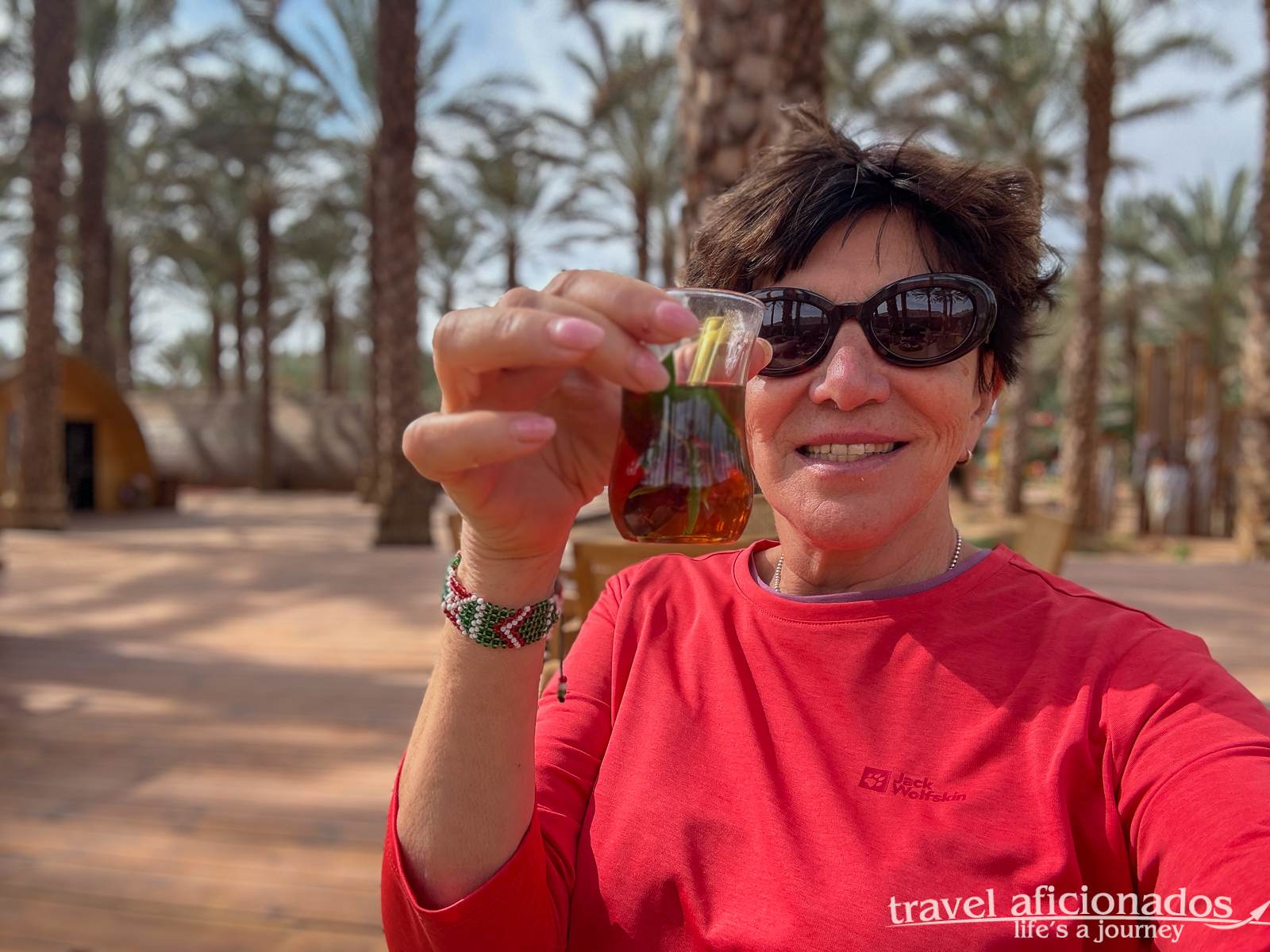
spiced tea
What’s important to remember is that this oasis is not a tourist attraction—it remains essential to local life. Just as it has for centuries, it continues to provide much of the produce eaten in the region. Al-Ula is home to more than three million date palms, producing over 90,000 tons of dates annually—fruit that travels far beyond Saudi Arabia to tables around the world. My host told me Al-Ula’s dates are so delicious that even the royal family enjoys them.
The palms also form a natural canopy for Al-Ula’s citrus groves, where 29 varieties of oranges and other citrus fruits are cultivated. These fruits are celebrated in local festivals—even during the intense heat of the summer months.
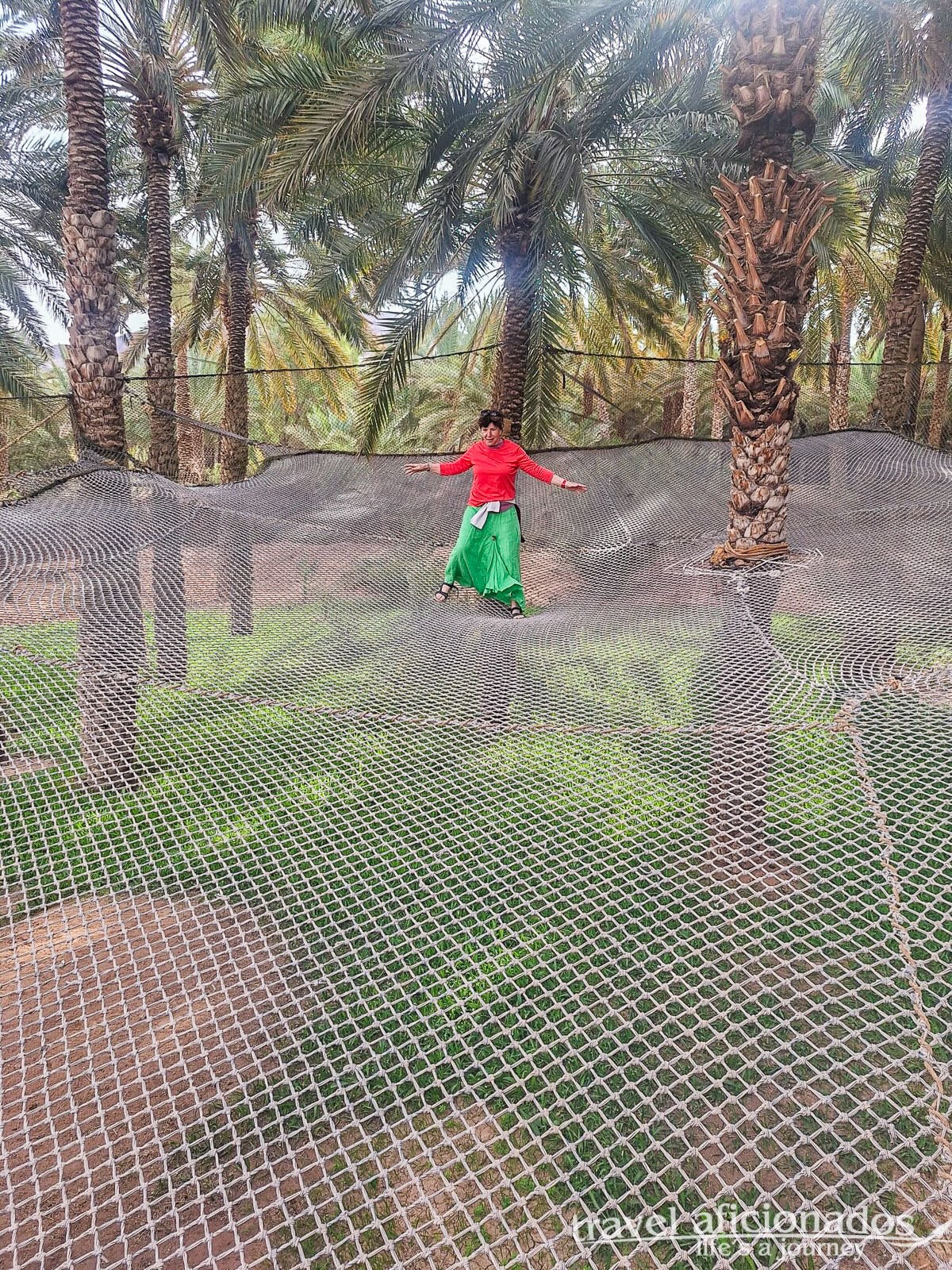
There are all sorts of activities for children, the most fun one was a huge net to walk on.
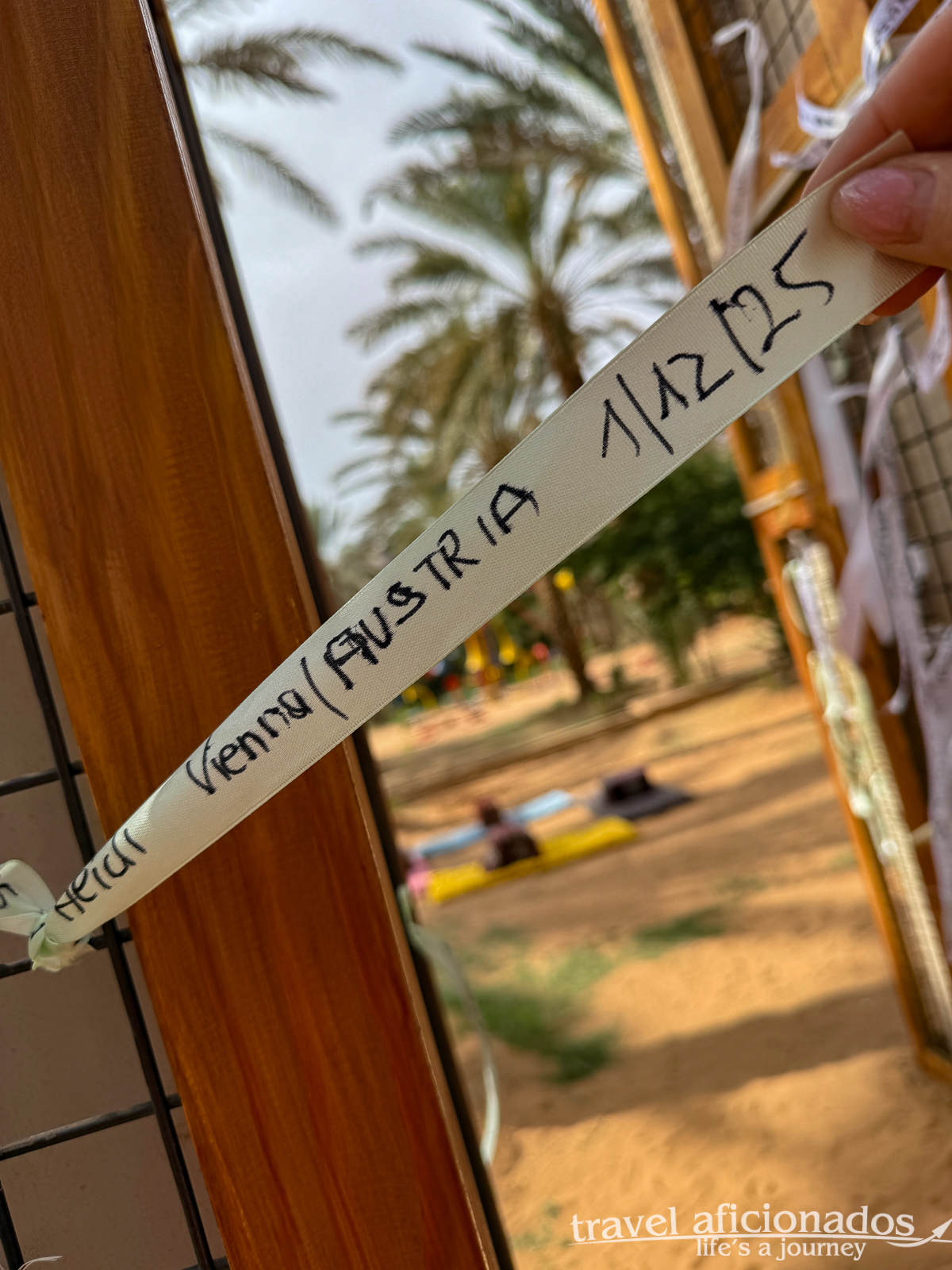
Memory tree
The museum is small but super informative, it explains fauna / flora and what is grown in the region, as well as the irrigation system.



Leave a Reply