
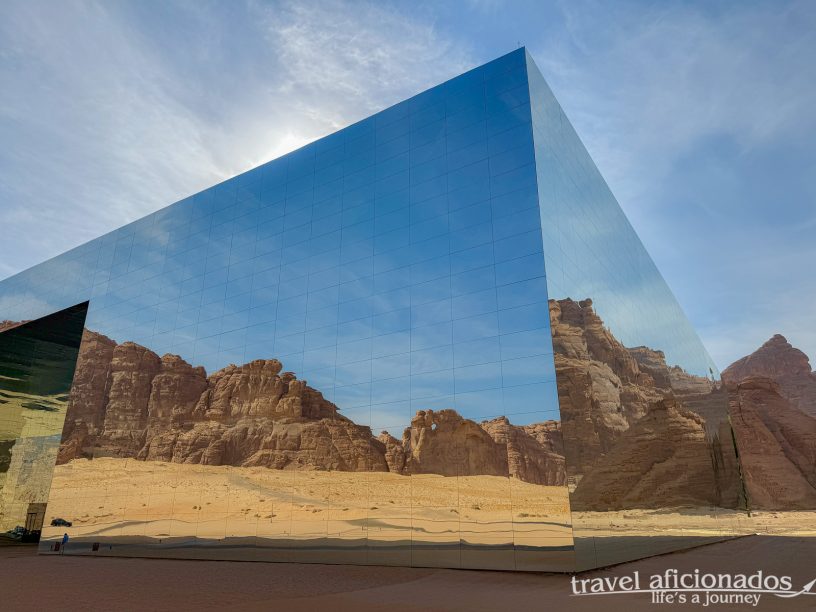
Maraya, the world’s largest mirrored structure, is an architectural masterpiece that merges with its landscape, reflecting the reddish rocks and terracotta sands around it. During my first visit to Saudi Arabia in 2022, a tourist showed me a photo of Maraya. I couldn’t understand what I was looking at—just a mirror in the desert? I didn’t even realize it was in the Al-Ula region.
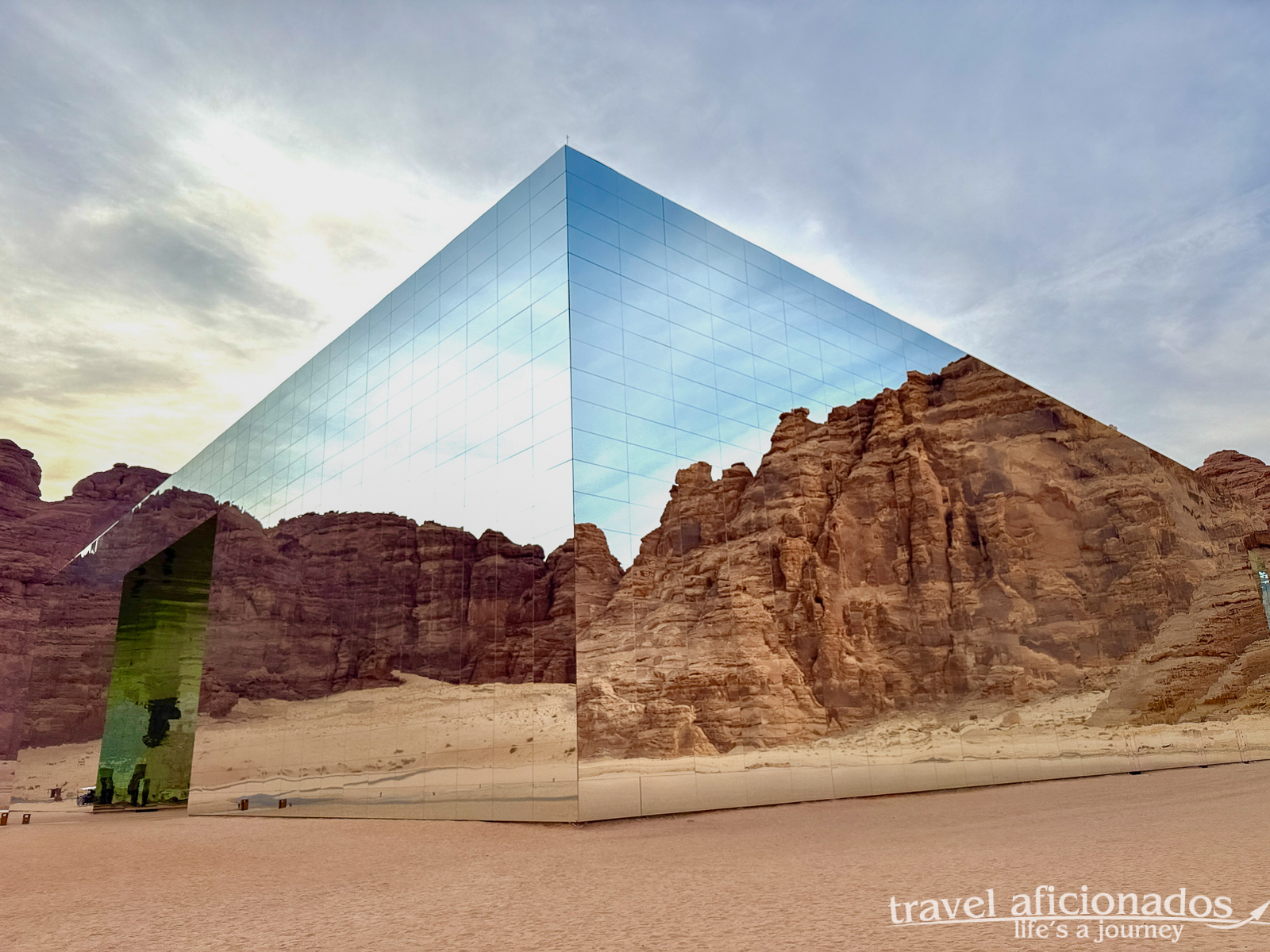
Mayara- world’s largest glass structure in the middle of the desert
I visited early in the morning, before the sun appeared from behind the mountains, and had the place entirely to myself. Walking around it in the sand, every side looked different. From the entrance, it becomes clear: an extraordinary mirrored structure stands in the heart of the Arabian Desert. From other angles, it feels like an illusion—the desert playing tricks on the mind. The bizarre sandstone mountains reflect along its surface, making the building seem to vanish and reappear.

Mayara- world’s largest glass structure in the middle of the desert
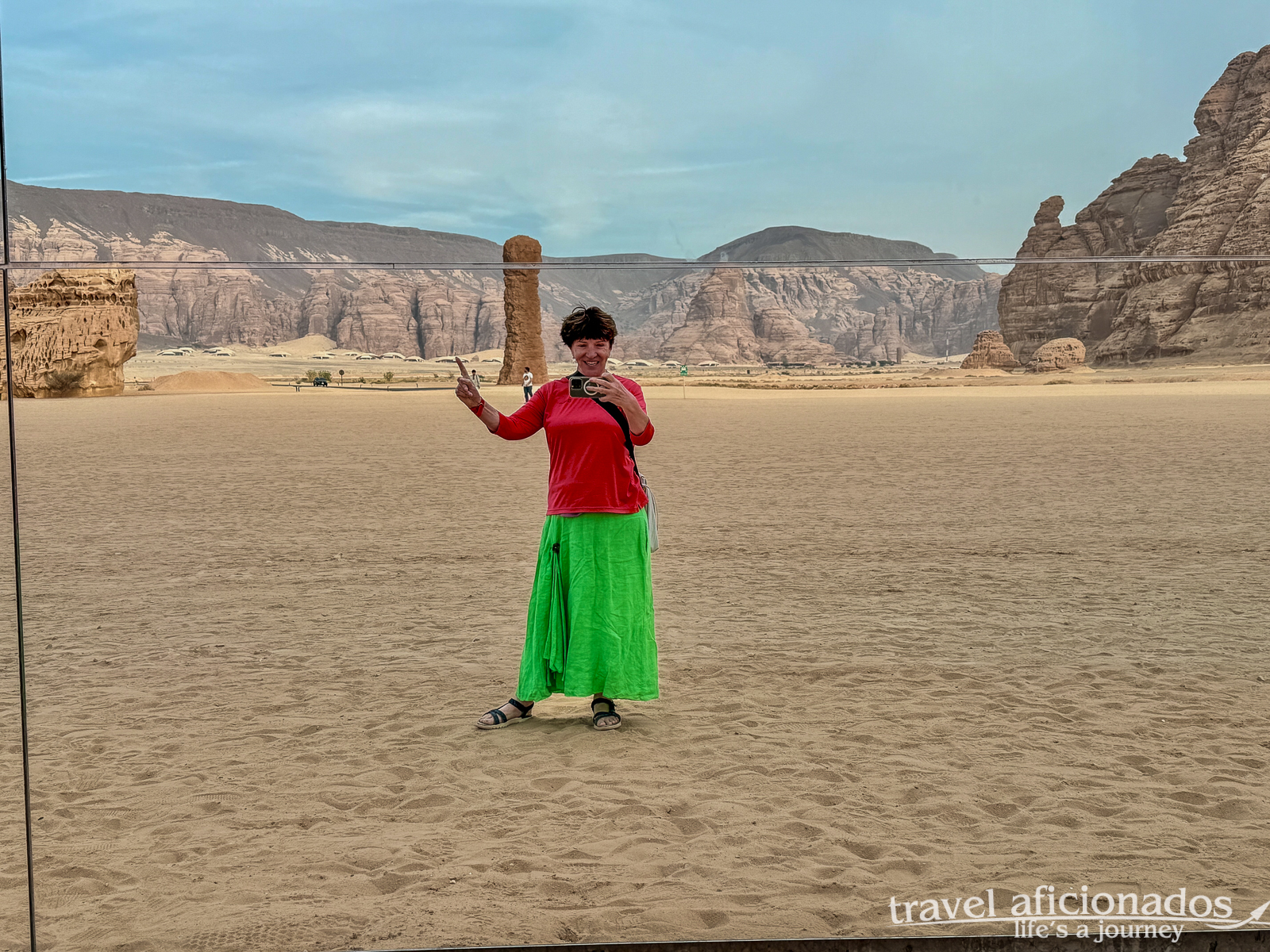
Best selfie place
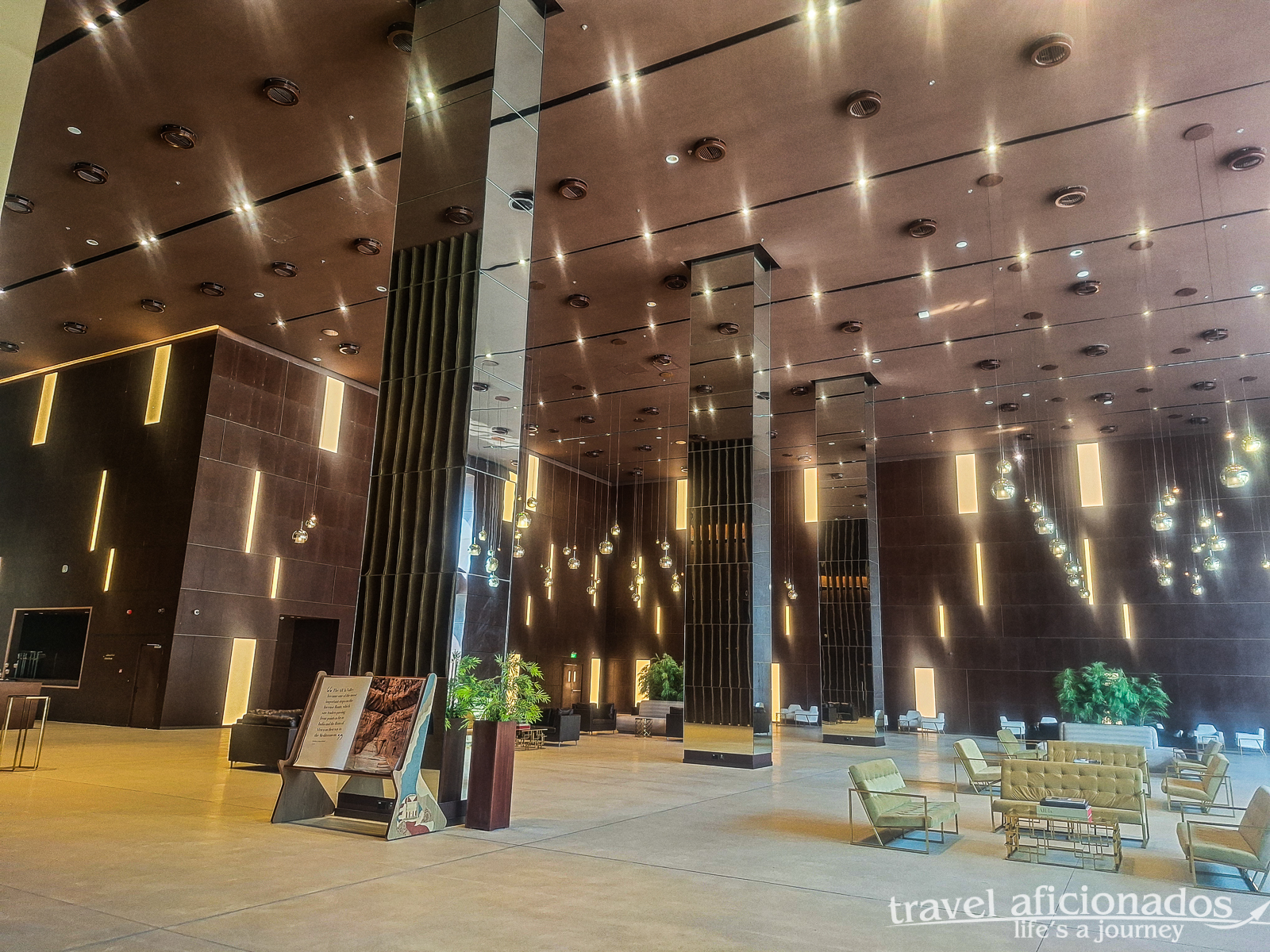
My host in Al-Ula kept asking if I wanted tickets for Maraya. A glass wall in the desert? Only then did I understand: it is a full-scale building, a concert hall and theater. I had no tickets for the inside, but a kind lady asked me in to look around.
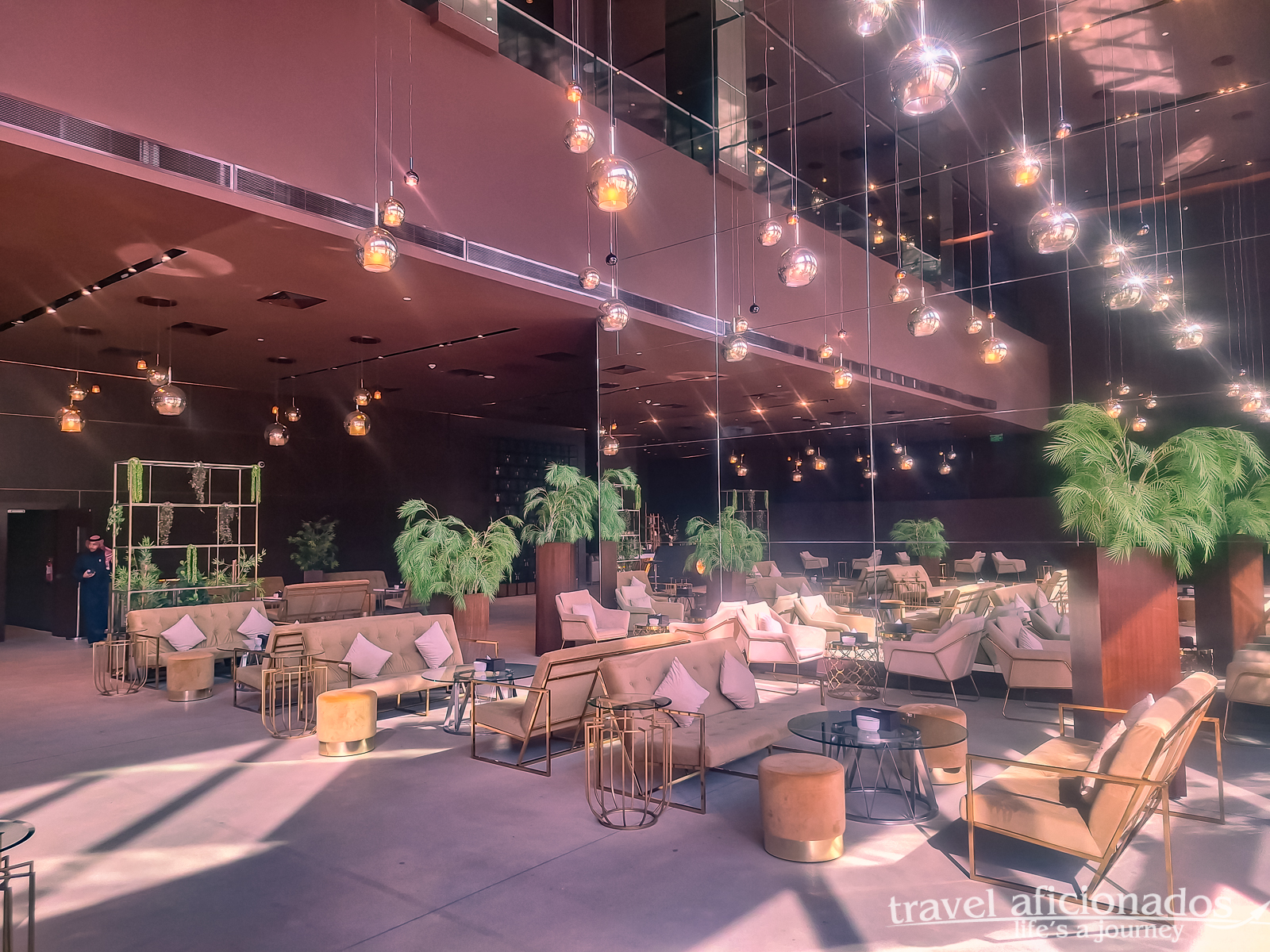
Restaurants inside the structure
Unveiled in 2019, the 500-seat venue has since hosted major cultural events, including performances by Andrea Bocelli, and has served as a dramatic backdrop for luxury brands such as Rolls-Royce and Cartier.
One of the funniest sights was men sweeping the desert sand around the building, carefully erasing every footprint. When I mentioned it to my host, he looked surprised at my question: “Can you imagine how messy it would look after a while?” Lesson learned—footsteps in the sand are not meant to last.
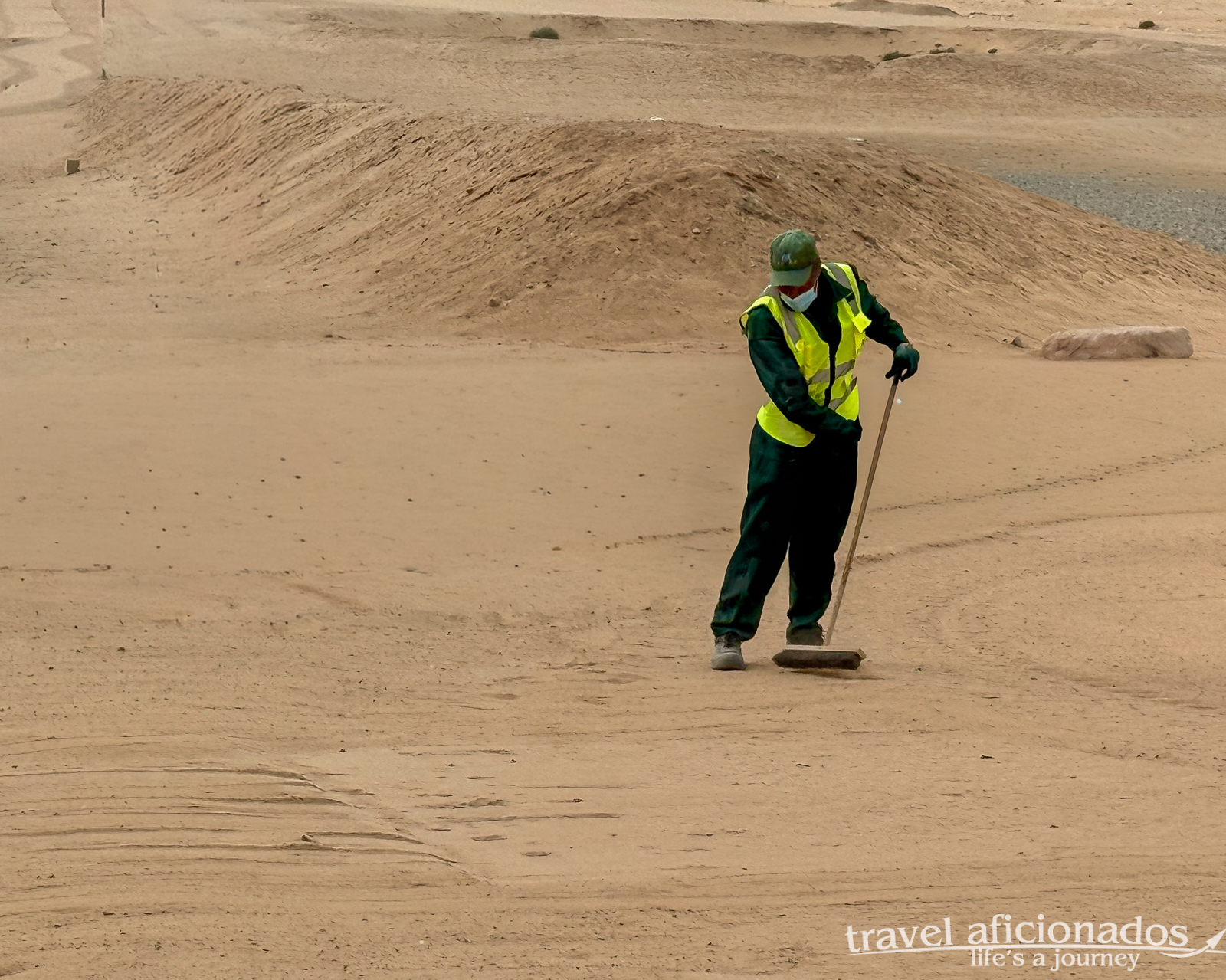
Sweeping the sand all day – to keep it clear of foot prints
The making of such a mirror
Not less fascinating is how the world’s largest mirrored building was made in a place no one would expect. A new formulation was developed for the 10,000 square meters of special glass by Guardian Glass – in just three months – after the initial attempt failed. Standard mirror panels would not survive the extreme heat, UV exposure, and humidity. Guardian Glass created a new copper-based mirror with a protective coating, designed to withstand some of the harshest conditions on Earth while blending seamlessly into the landscape.
How to get to Mayara?
Getting there is only possible by taxi—and it’s essential to ask the driver to wait. Maraya sits in the middle of nowhere. I met a French couple who got stranded, unable to find a ride back; their host had to drive over an hour from Al-Ula to rescue them.
Shlal Gorge
Just north of Maraya lies Shlal Gorge, rarely mentioned on tourist websites, but a highlight for me. My host had advised me to go there after visiting Mayara. The 30minutes drive alone is spectacular, a valley of strange rock formations.
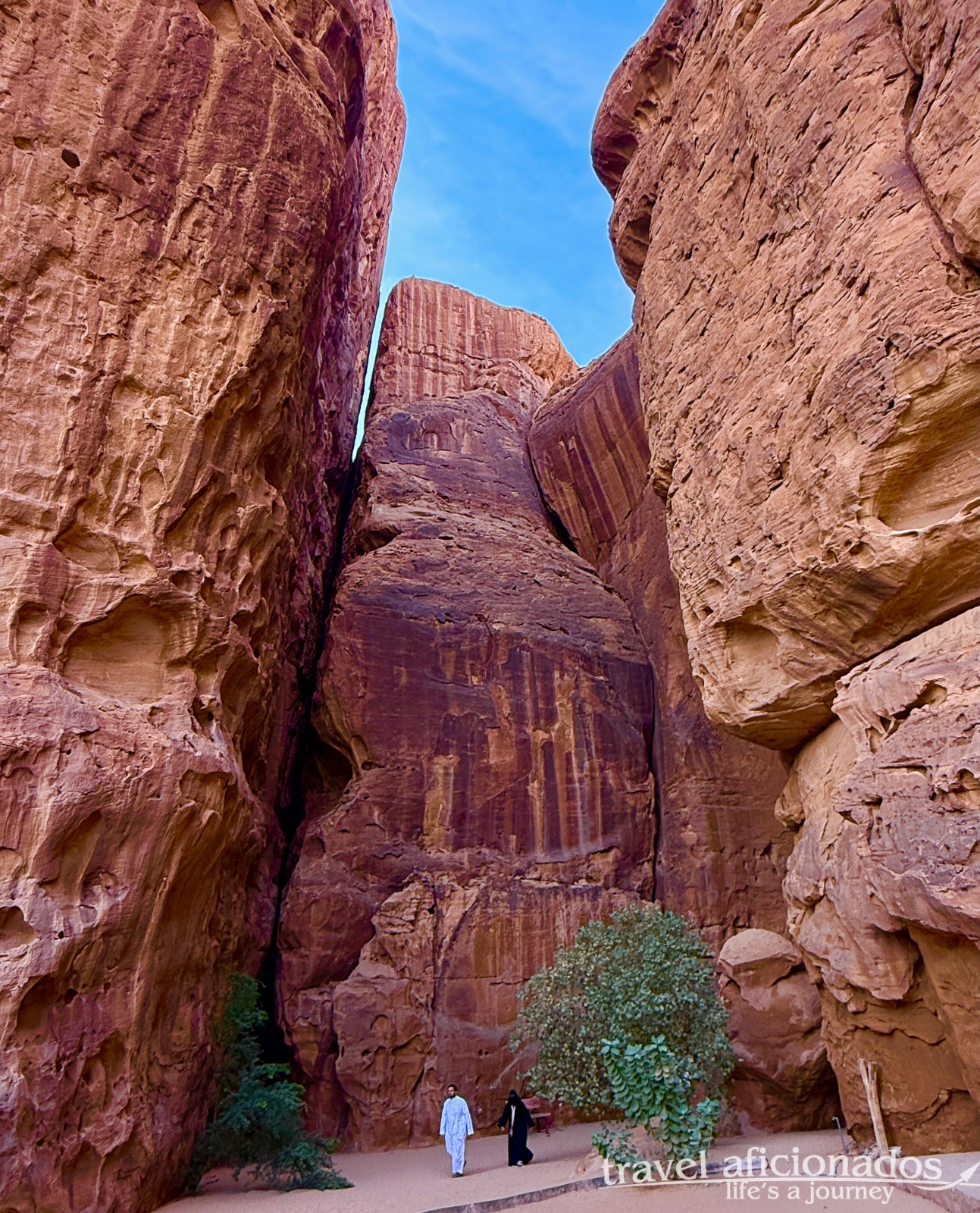
Shlal Gorge
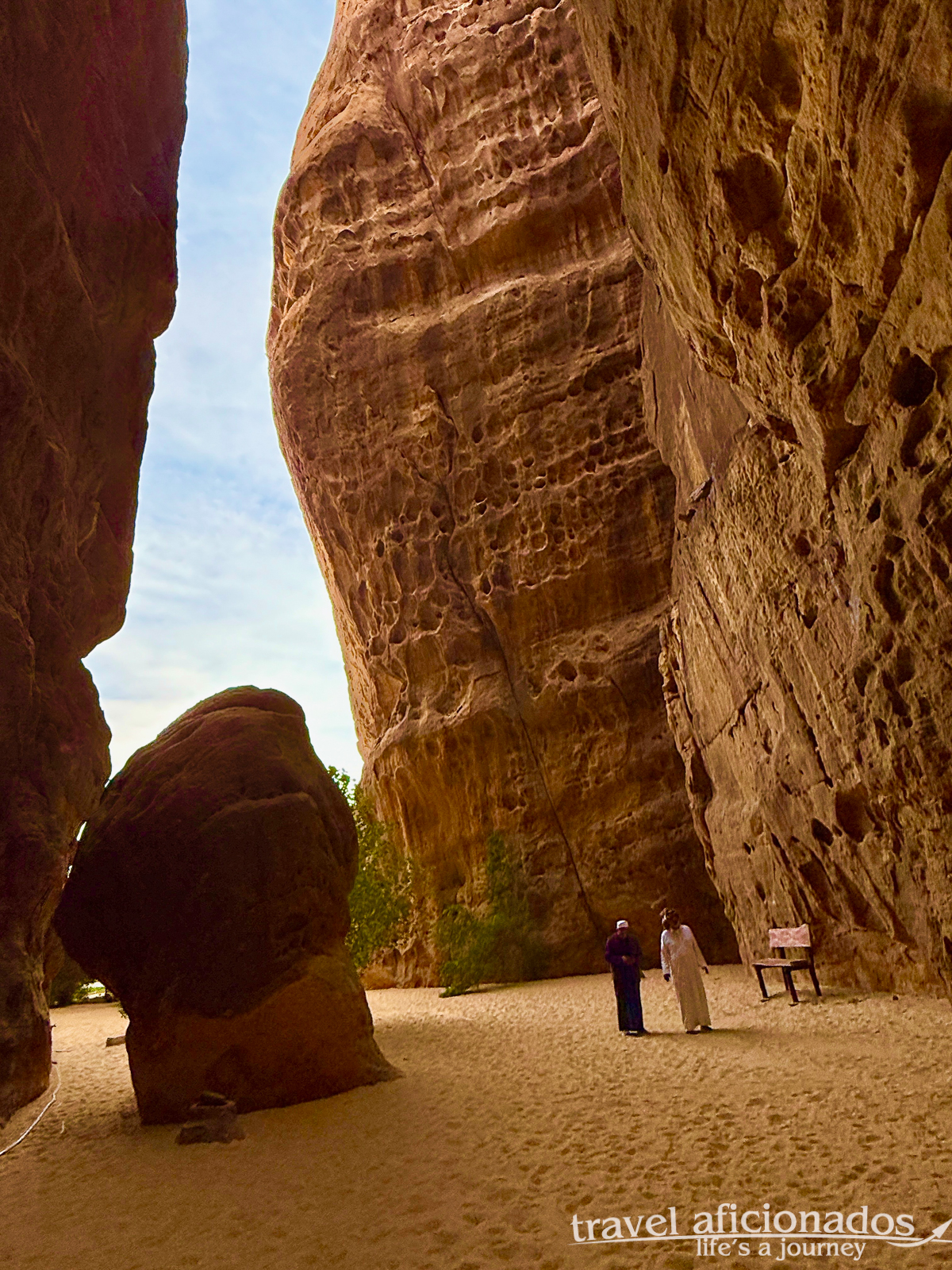
Shlal Gorge
At the entrance, a few simple bungalows suggest overnight stays—something I would gladly do next time.
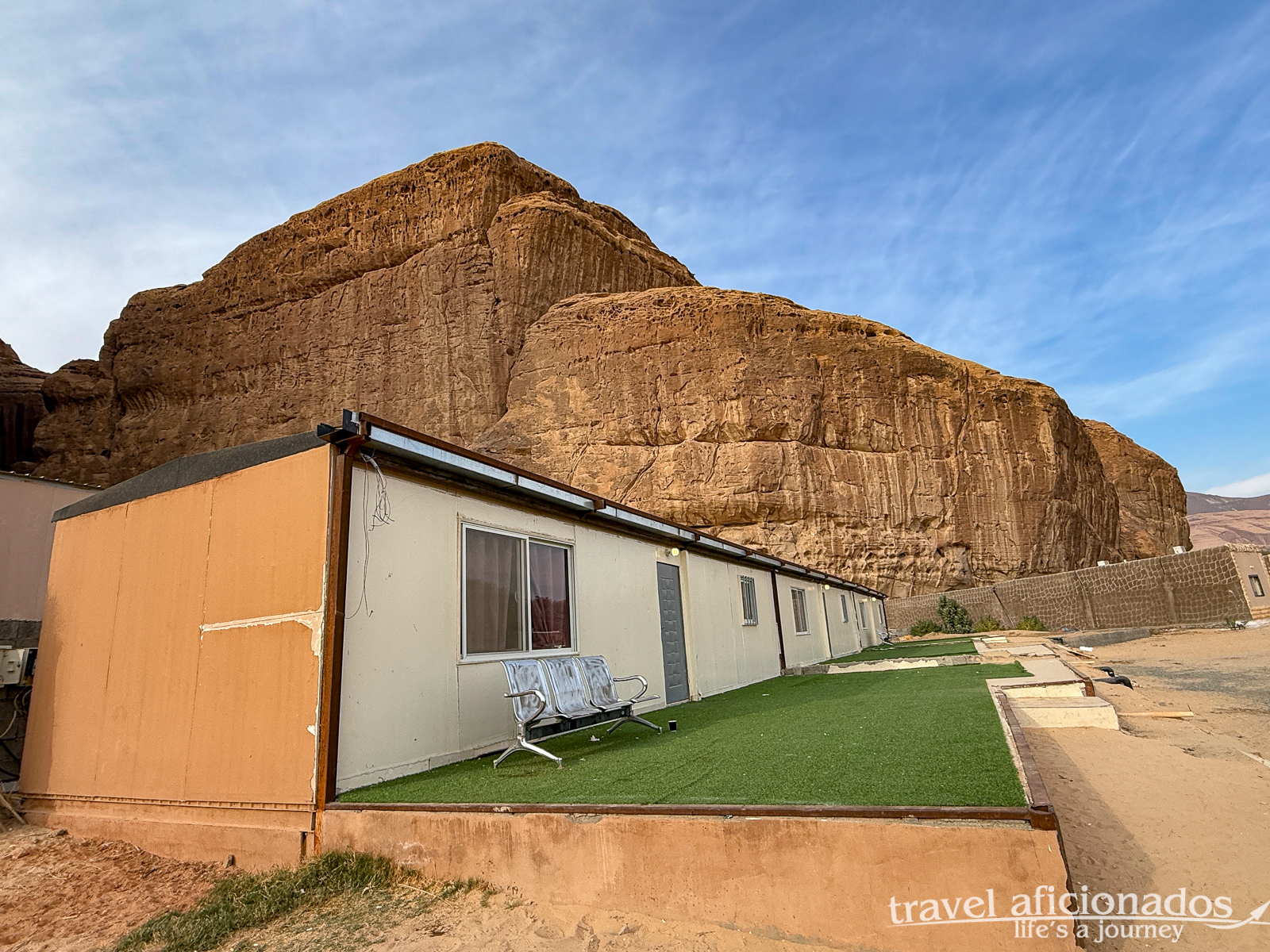
in a few year mostly like luxory resorts will have taken over
The attraction reveals itself suddenly: a narrow crack in the rock wall. In places, I had to move sideways. I could not resist making noises, even a normal sound booms through the gorge that suddenly opens into a small flat area surrounded by towering rock faces. A few chairs and tables invite visitors to sit and look up, while a small pop-up café serves drinks and snacks. Sadly, the woman famous for her bread hadn’t arrived yet.
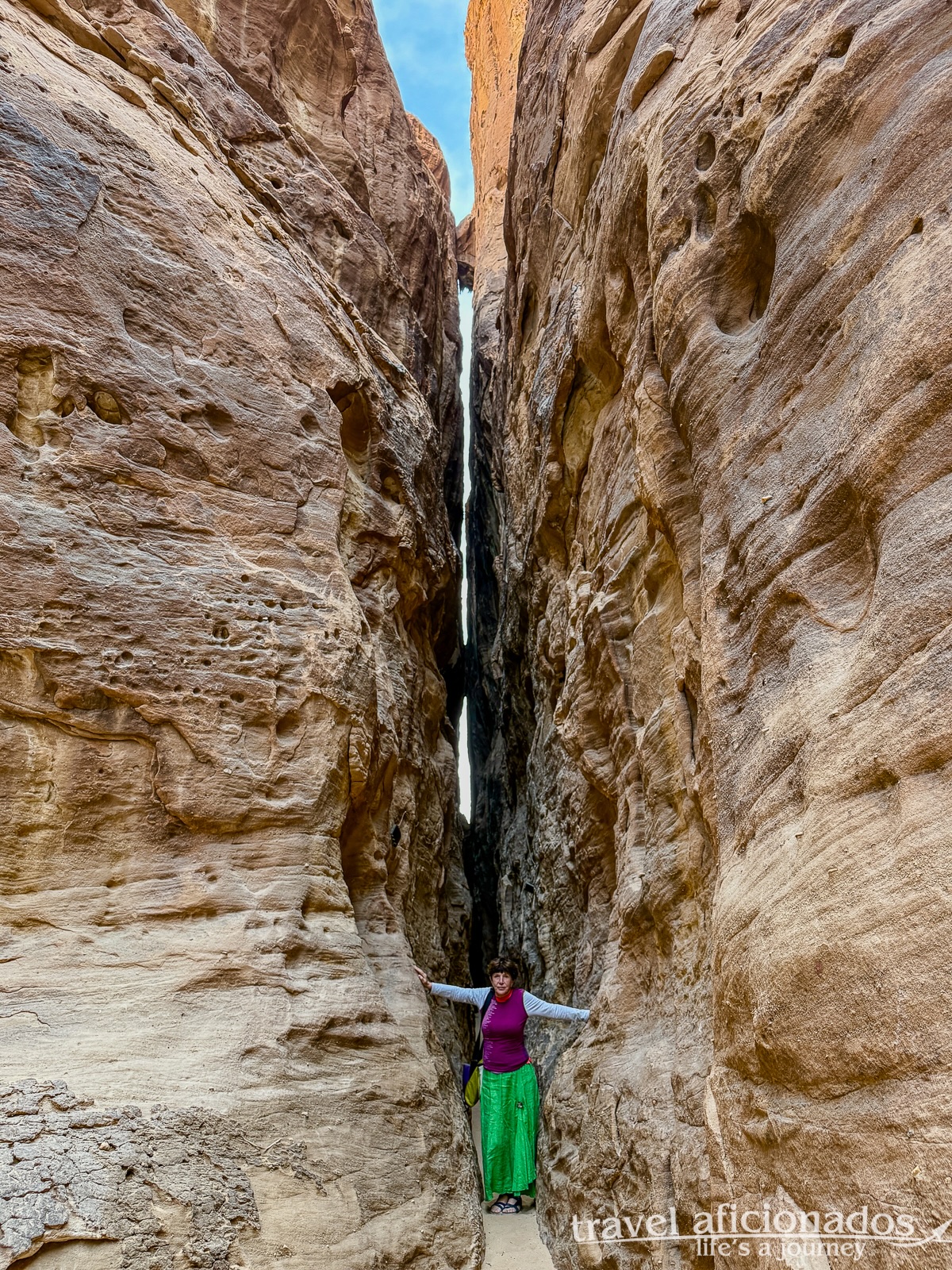
Shlal Gorge
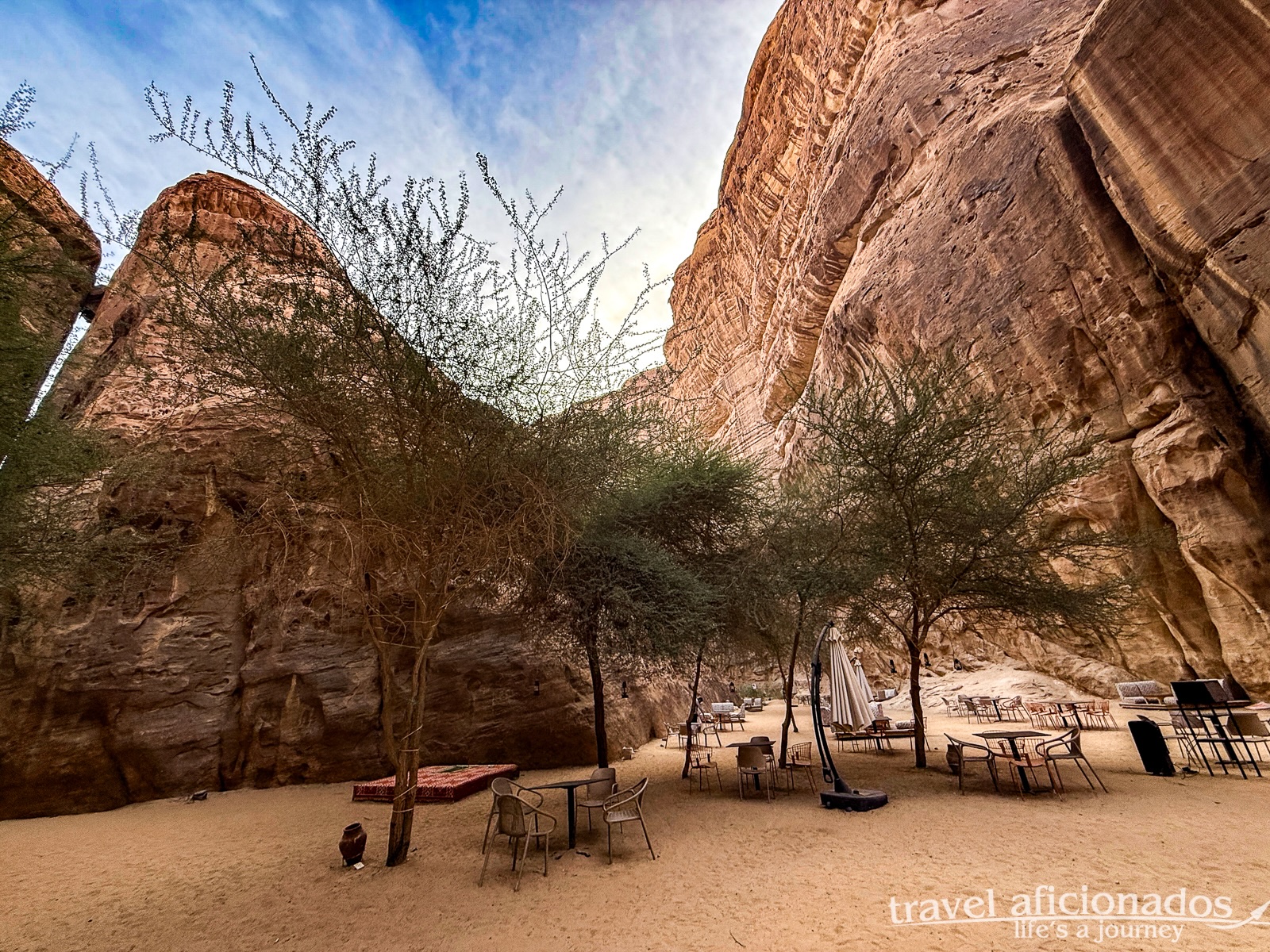
Shlal Café
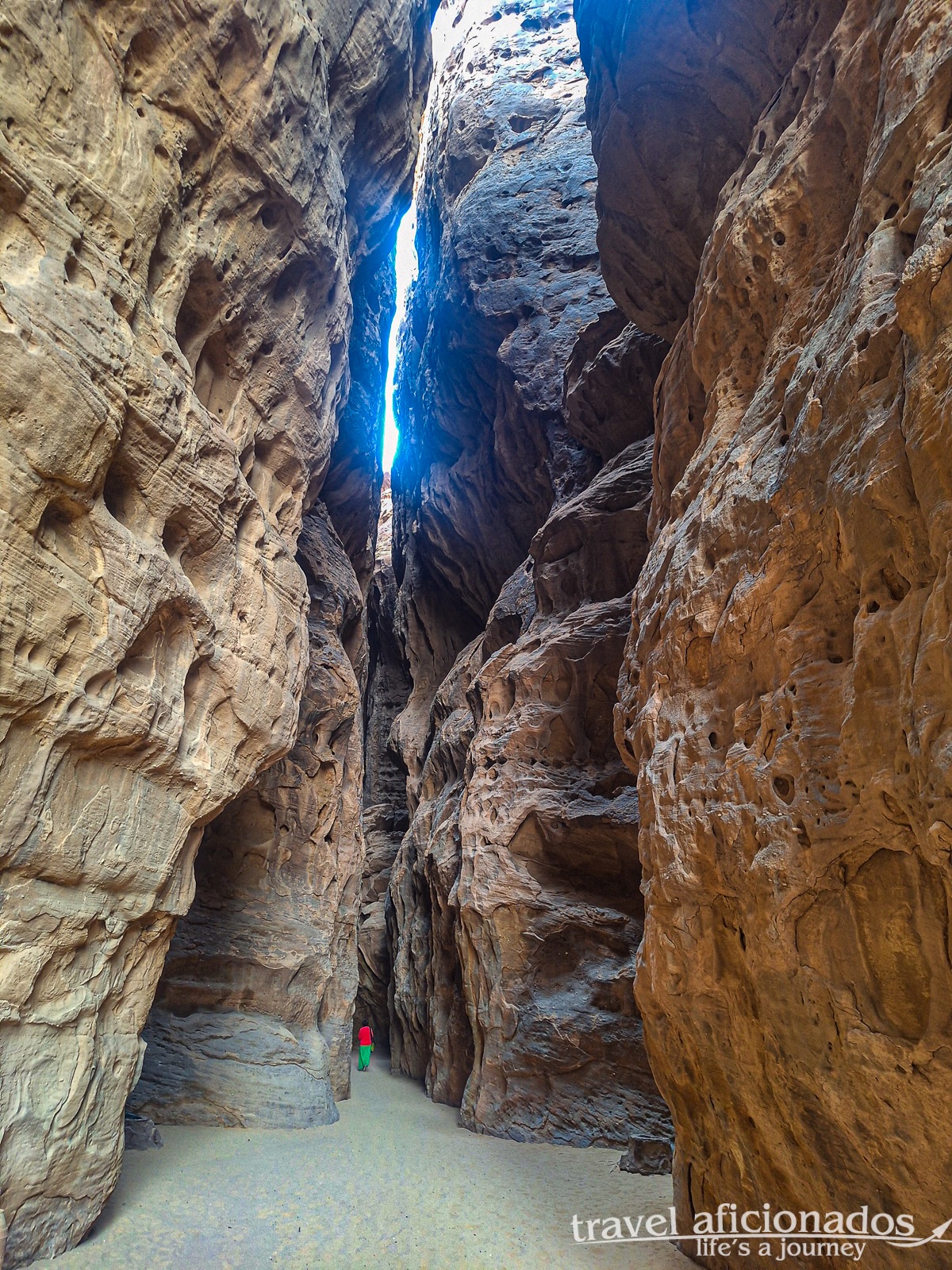
Shlal gorge
As the sun slowly climbed higher, I decided to return once more to Maraya—this time to see how the desert and mountains fully revealed themselves in its mirrored walls.



Leave a Reply