
Jeddah was my absolute favorite stop during my first trip to Saudi Arabia in 2022 — mostly because it was actually walkable. A long ocean-front park stretches all the way from the Floating Mosque to Al-Balad, and both places fill with Saudis in the evenings.
Any trip to Jeddah feels like traveling alongside pilgrims. Many are wrapped in thick, towel-like white cloths. Jeddah is the gateway for pilgrimages to Mecca and Medina.
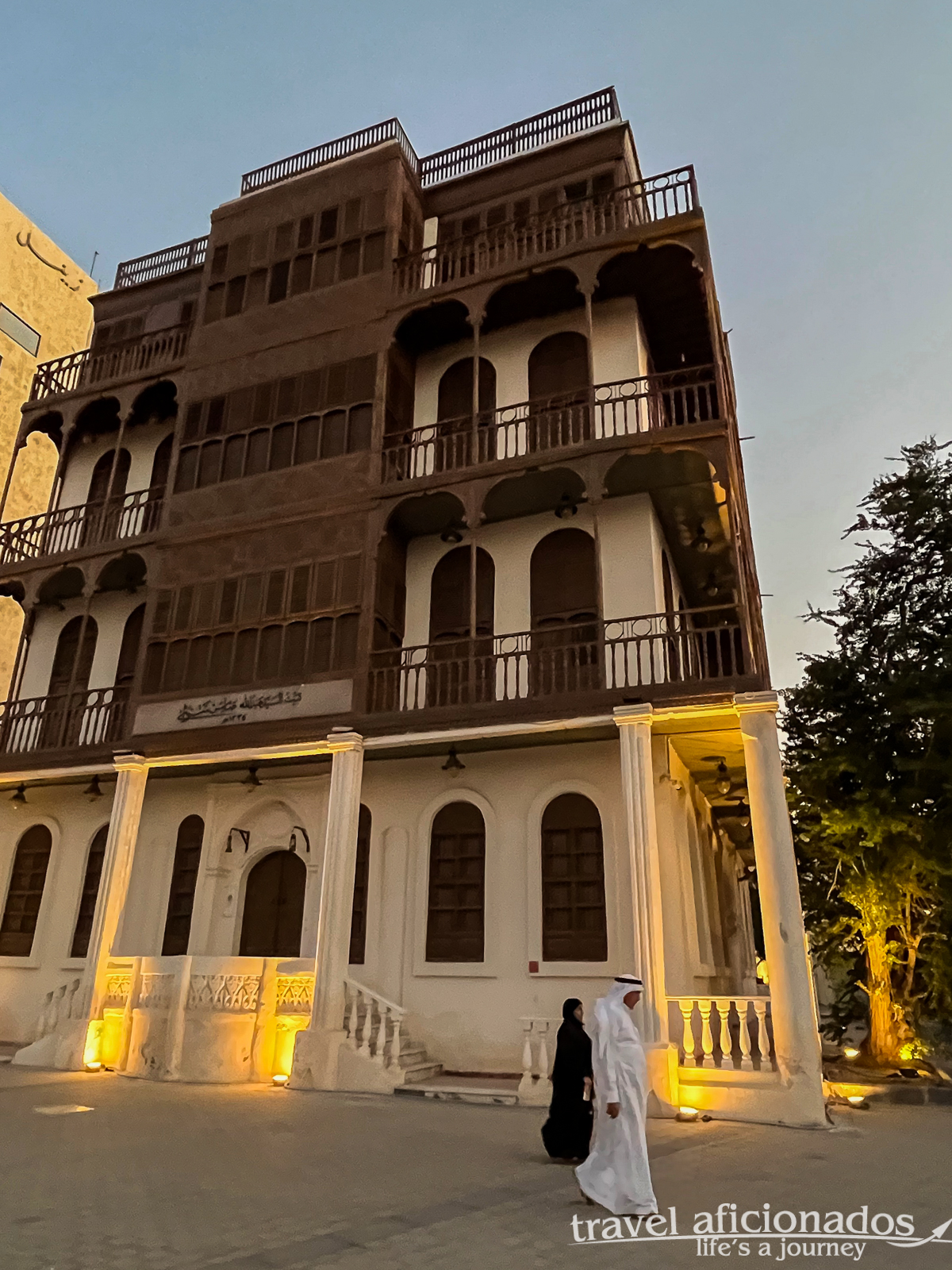
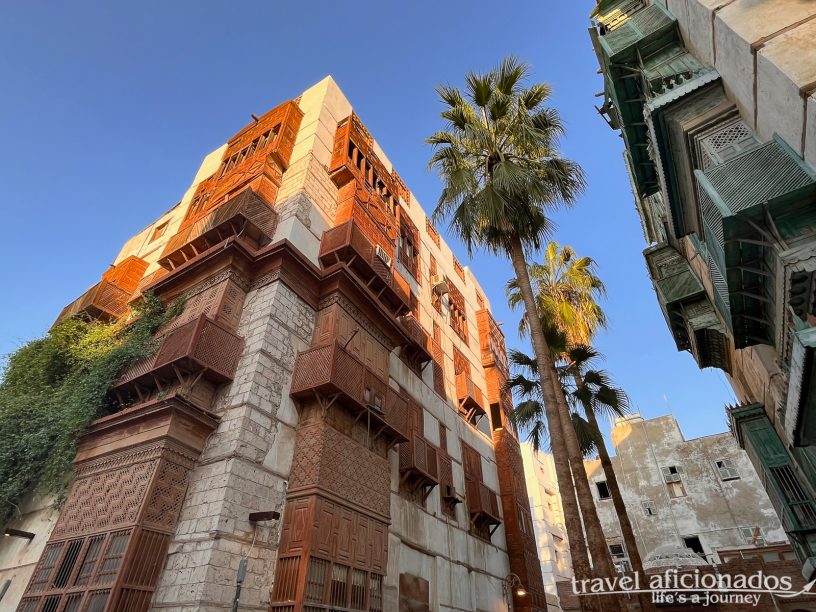
Al-Balad, ancient houses made of Moral now being renovated
In 2022, there was no place in Saudi Arabia where Vision 2030 felt more visible — the massive project, launched in 2016, to diversify the economy and reduce dependence on oil by developing tourism, healthcare, education, and technology.
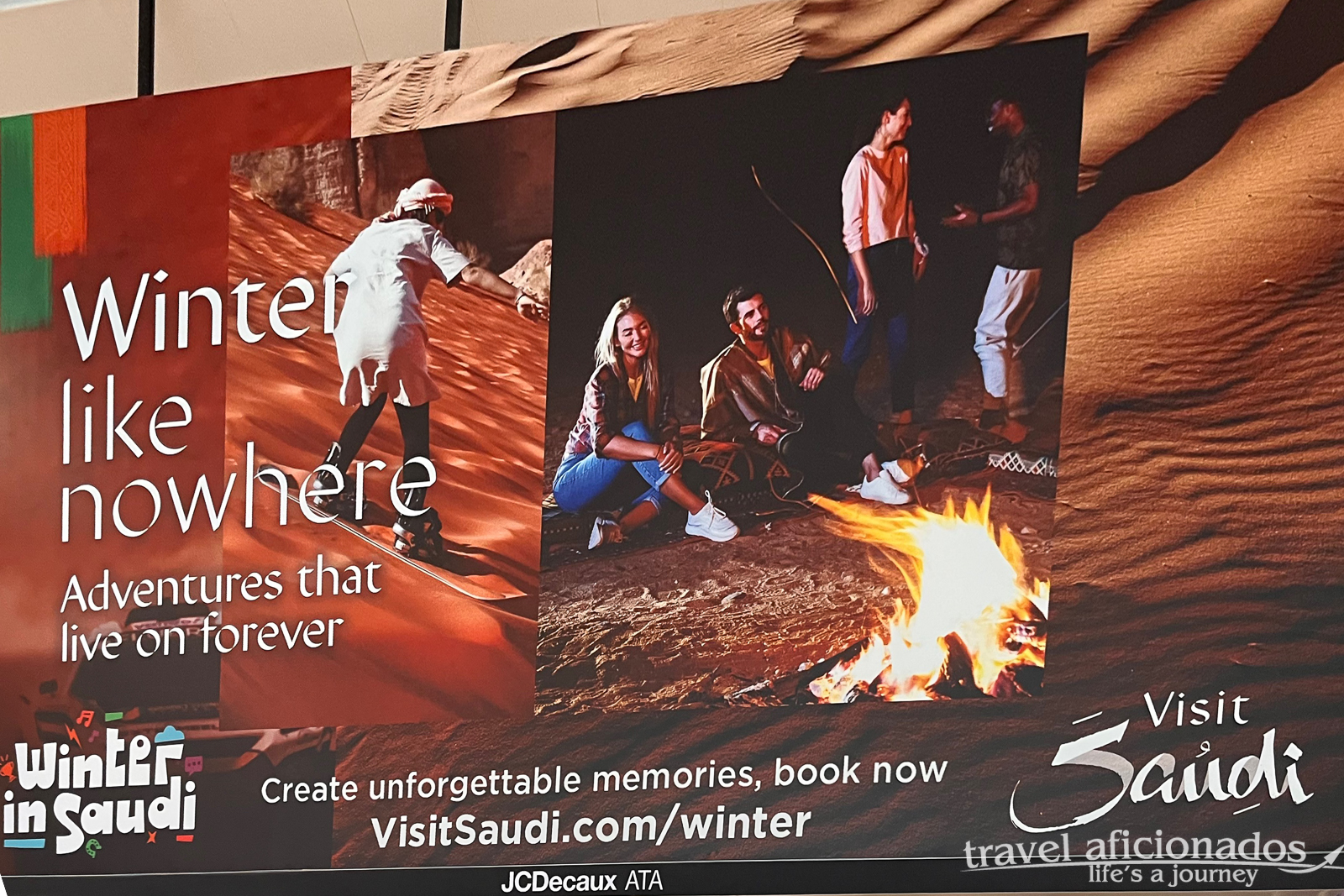
large advertisments promoting aktivities in Jeddah, live Jeddah Season
Al-Balad
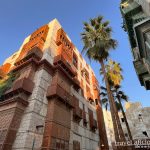
Jeddah’s historic center is famous for its 500+ coral-stone houses with ornate wooden balconies called rawashin or mashrabiyas. Many date back centuries, and the coral stone helped keep the interiors cool in the desert heat.
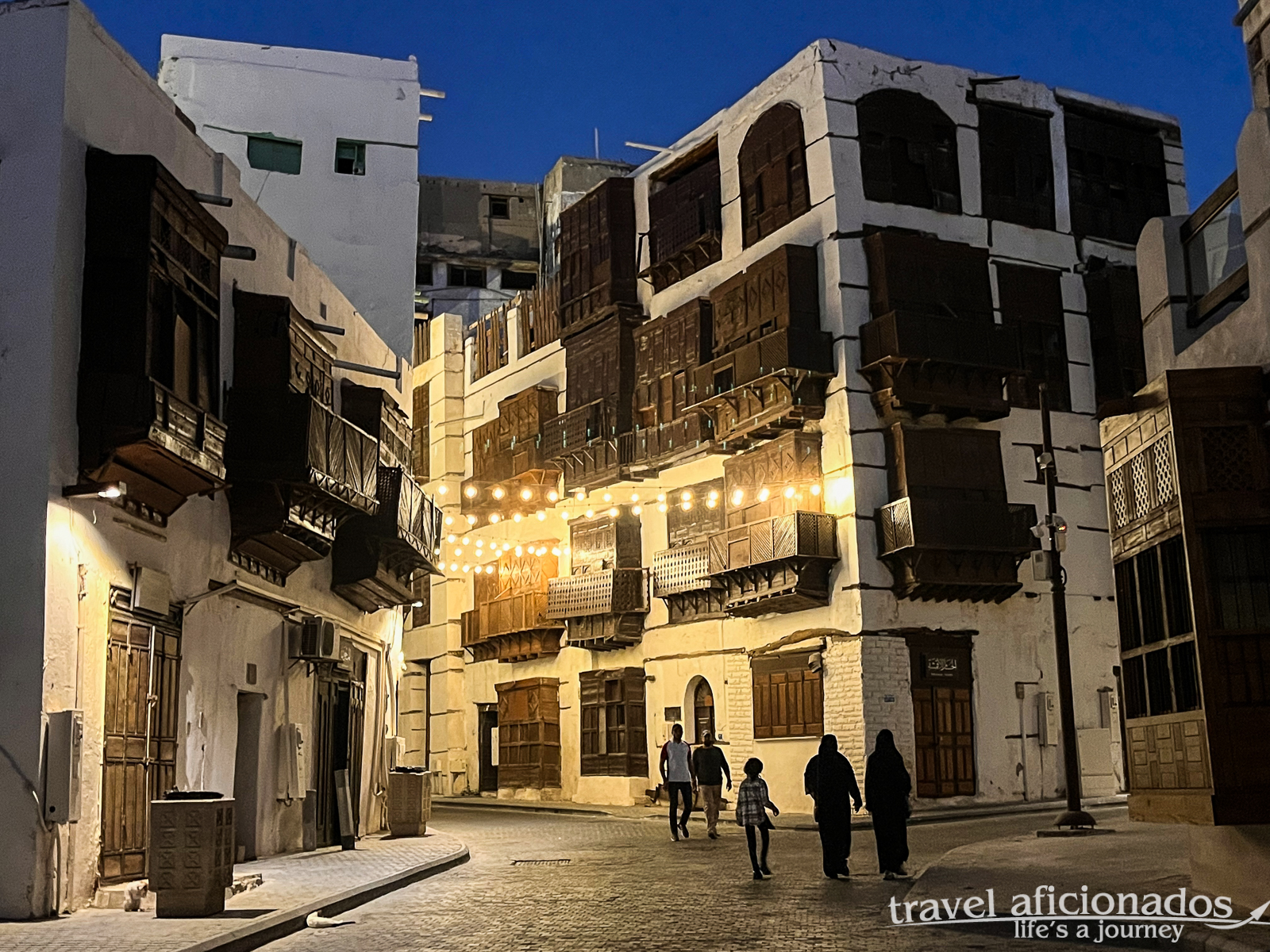
Al-Balad
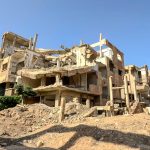
My first mistake was wandering around during the day. Most shops were closed, and the only people around were construction workers. Many houses are still in bad shape, and large signs from the Ministry of Culture suggest restoration is only just beginning.
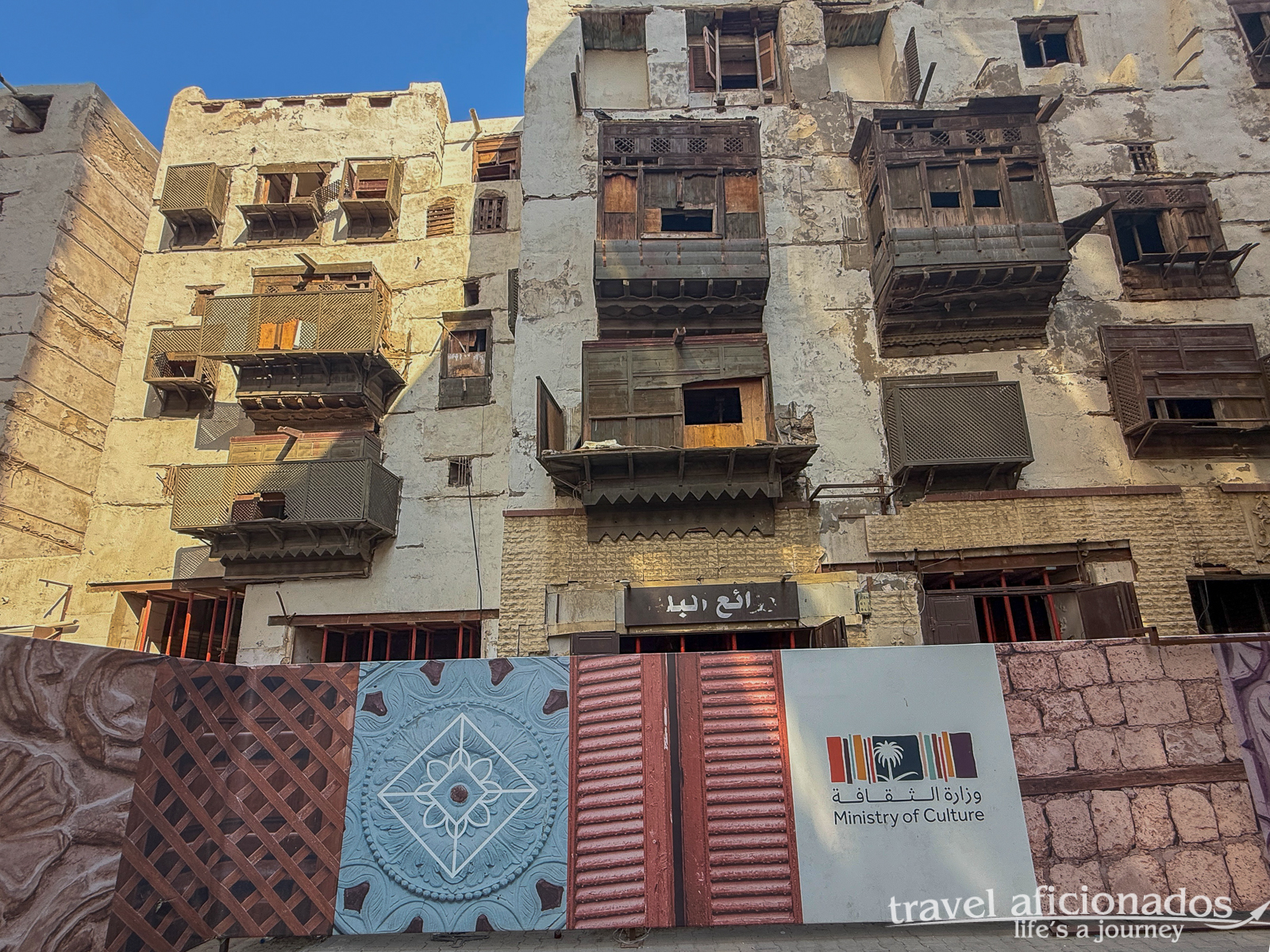
Al- Balad dilapidated houses about to be renovated
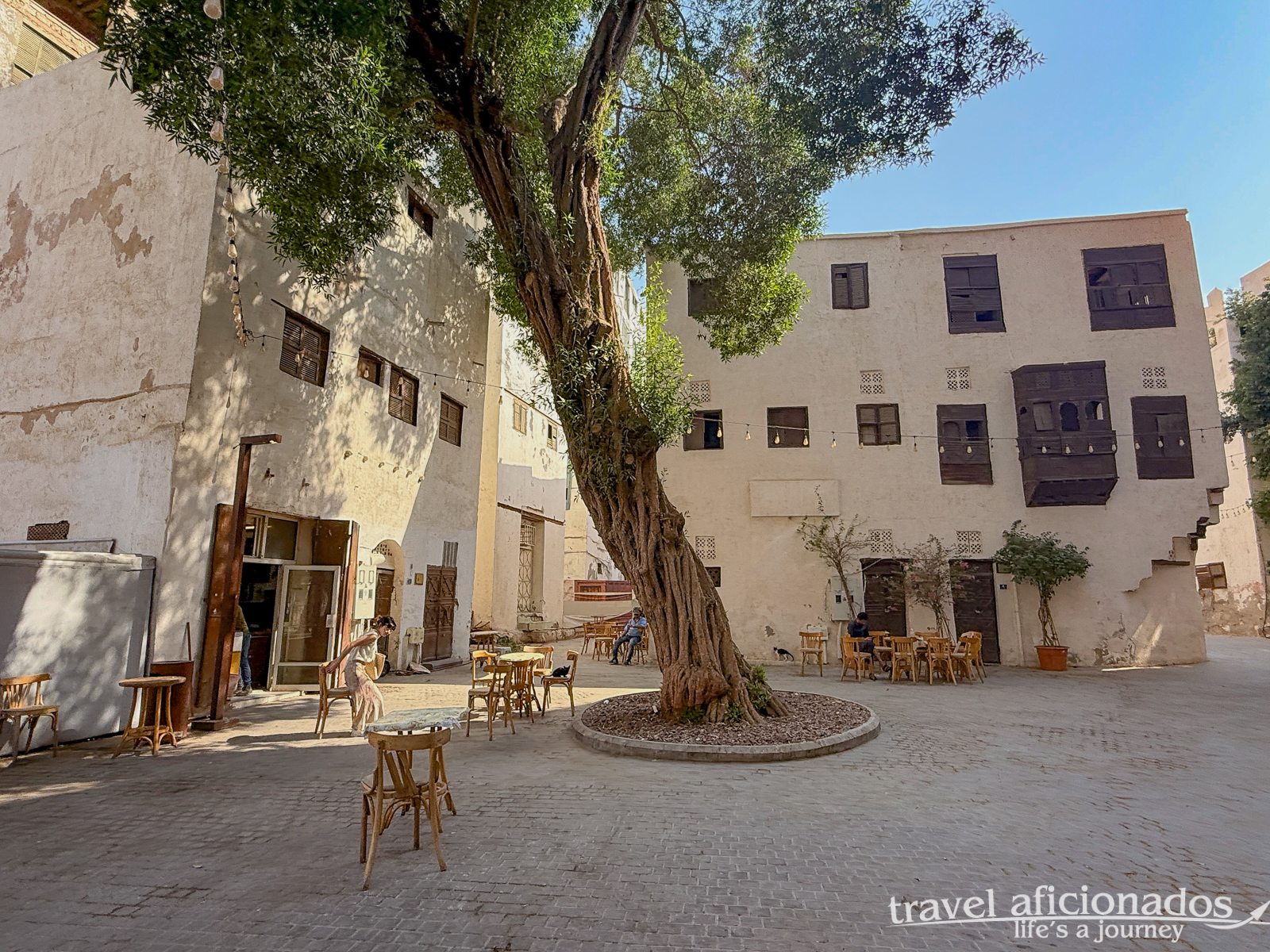
Al-Balad, cozy corners but deserted during the day
At night, though, Al-Balad comes to life — souqs filled with handmade crafts, spices, jewelry, and textiles. Whether the revival succeeds will depend on how many cafés, shops, and restaurants eventually return. There are a few already, along with a small museum, but it still feels like the beginning of something.

The south of Al-Balad is full of jewellry shop
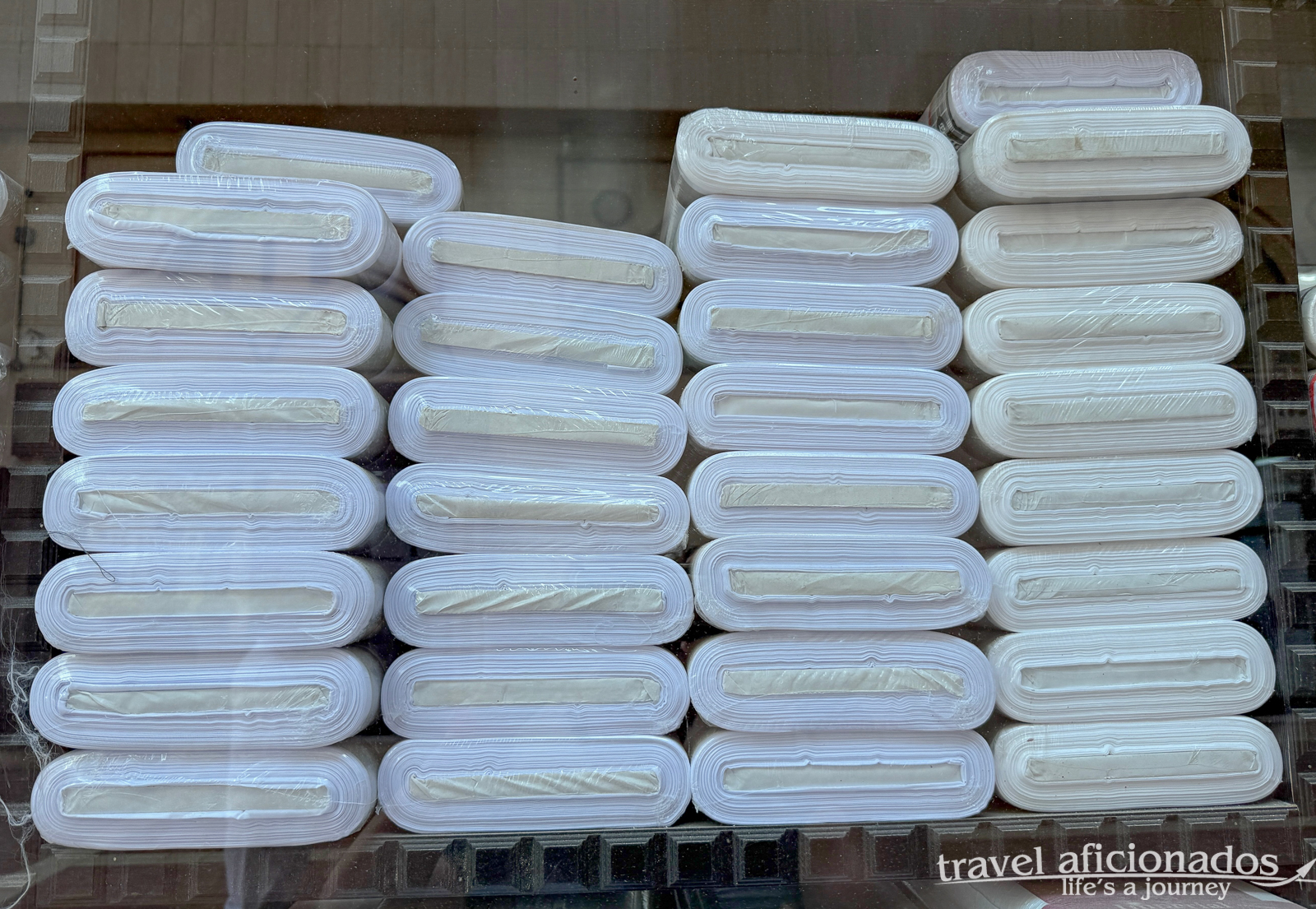
Material for making thawb, the white ankle-long attire for men
Being the only Western tourist sometimes felt awkward. Once, I spotted a small group of Indian visitors with a guide and simply joined them — suddenly, I felt less exposed and more like I belonged.
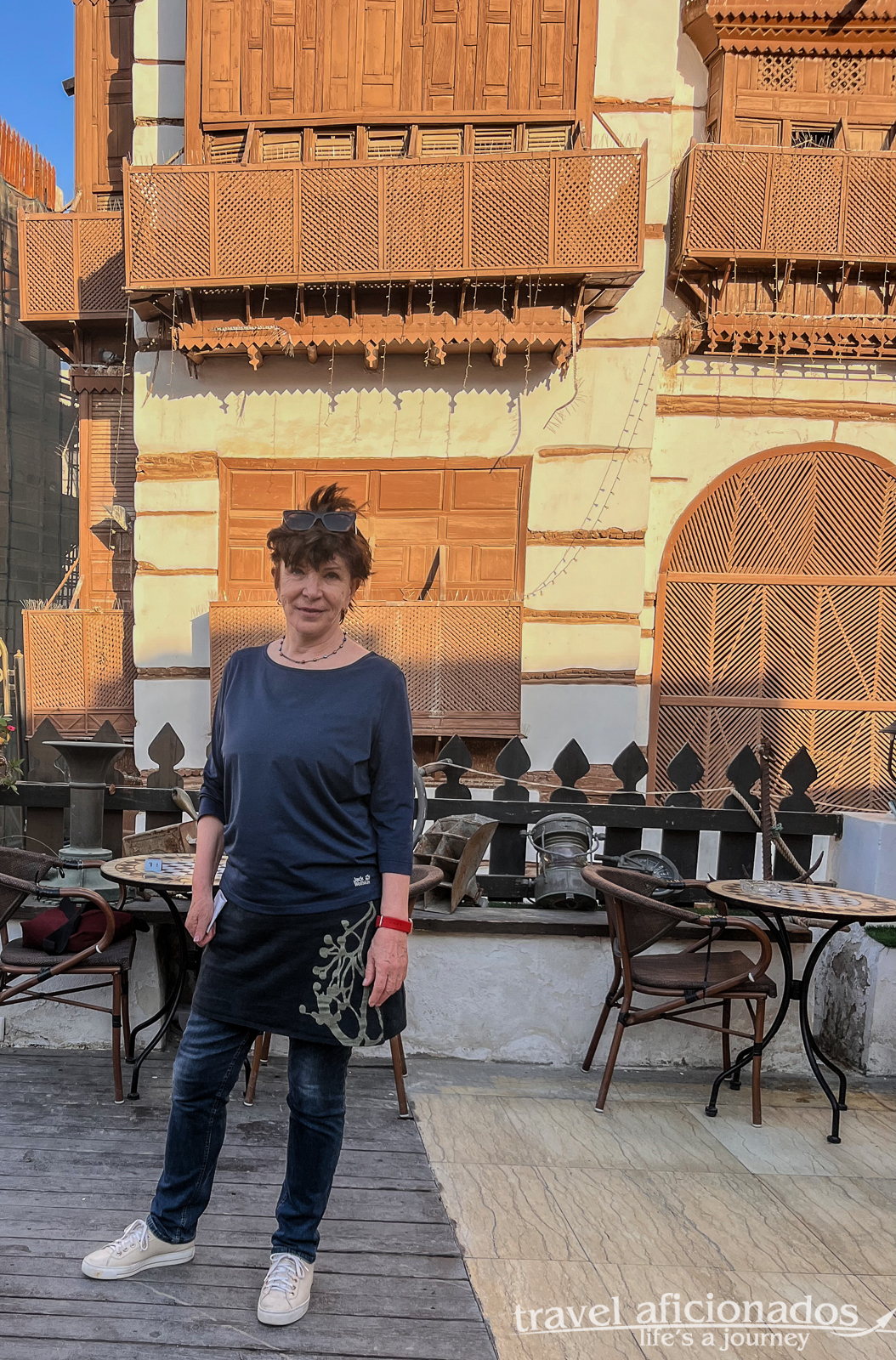
Biedermeier coffee from Vienna
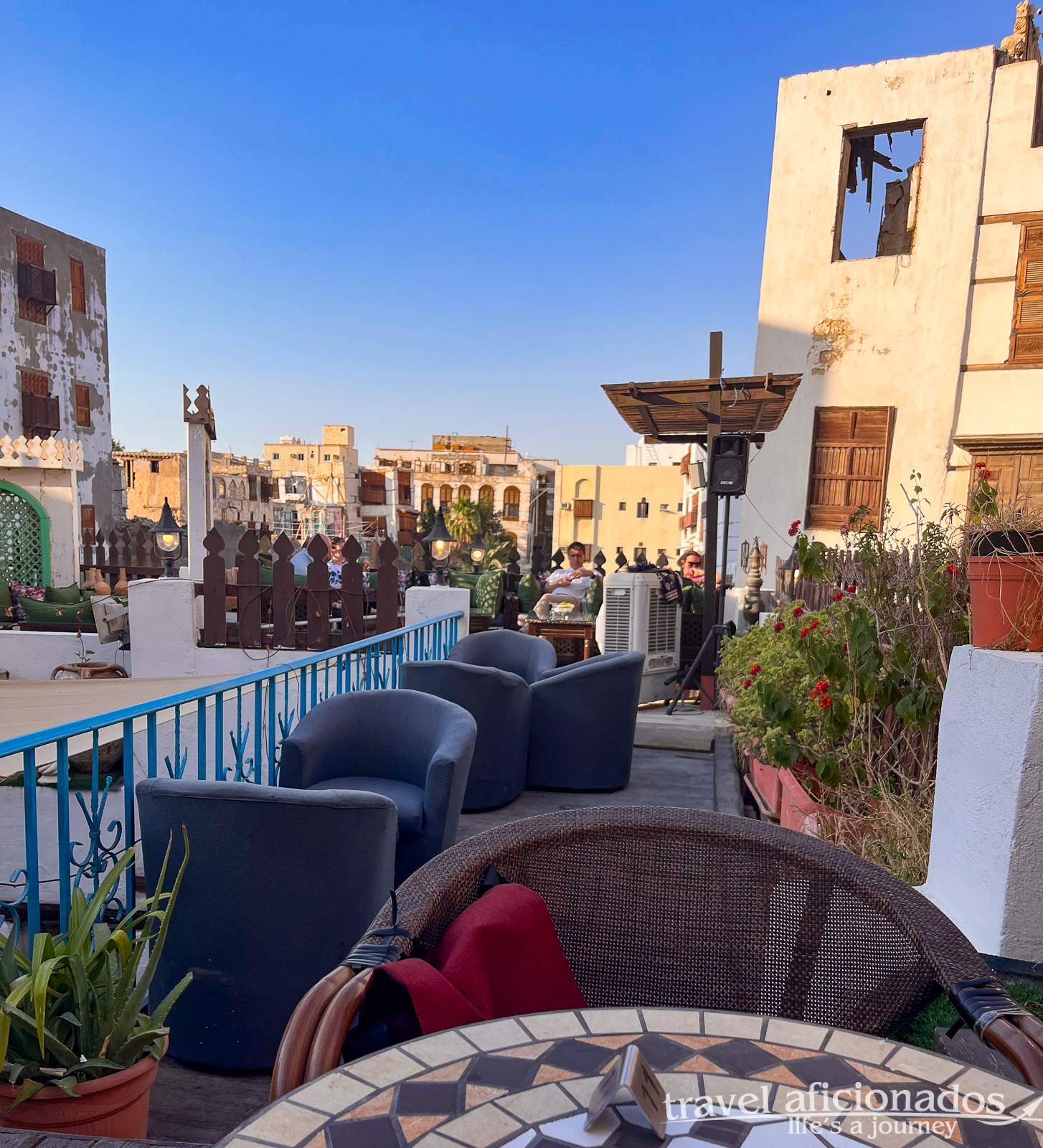
root-top café in Jeddah
Ocean-front Walk
At the northern end of the corniche stands Jeddah’s Floating Mosque, which really does seem to hover above the water at high tide — especially beautiful at sunset. Like everywhere in Saudi Arabia, the place buzzes at night with families enjoying the breeze and the greenery.
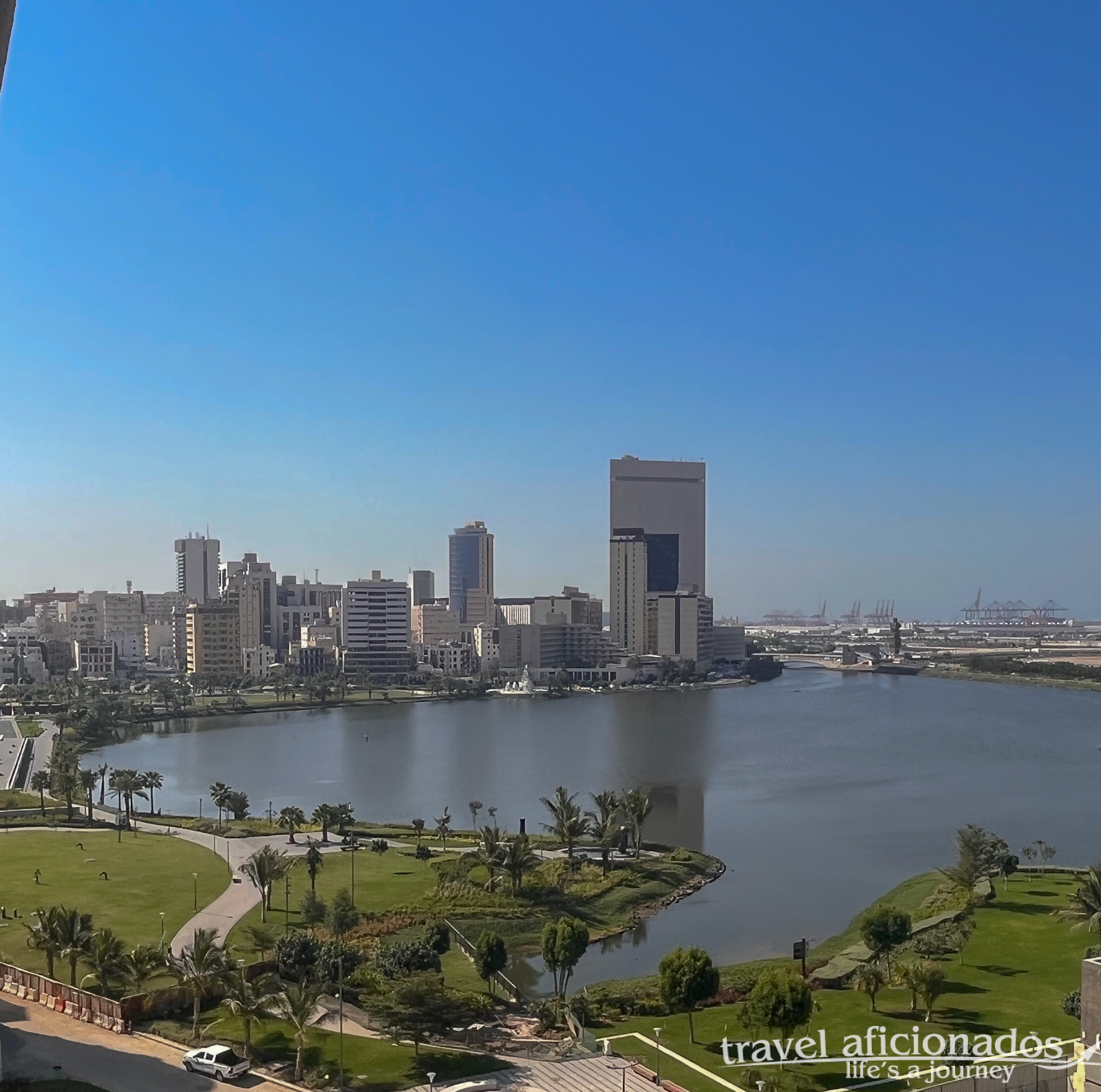
Ocean front walk
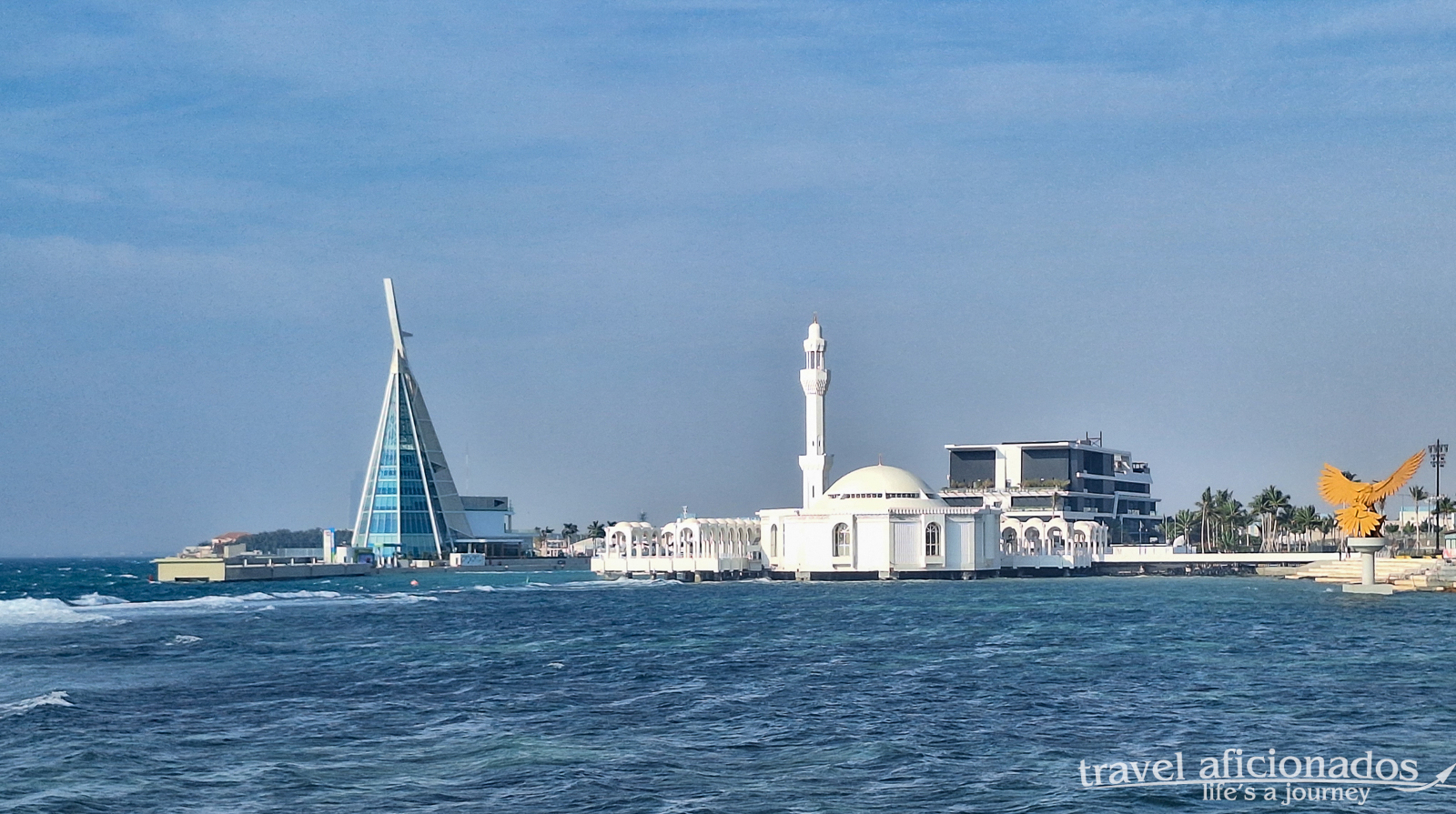
Floating Mosque
My hotel wasn’t far away — I could see it from the rooftop terrace. It was popular with pilgrims from Indonesia, so most of the food served was Indonesian. In the evenings, men gathered on the terrace, some wrapped in the white cloth worn by pilgrims, called Ihram.
Jeddah — Gateway to Mecca and Medina
Ihram is worn primarily during the rituals of the Hajj and Umrah pilgrimages, which center on Mecca. It consists of two simple white cloths; men don’t wear underwear, and while sandals are allowed, the head must remain uncovered.
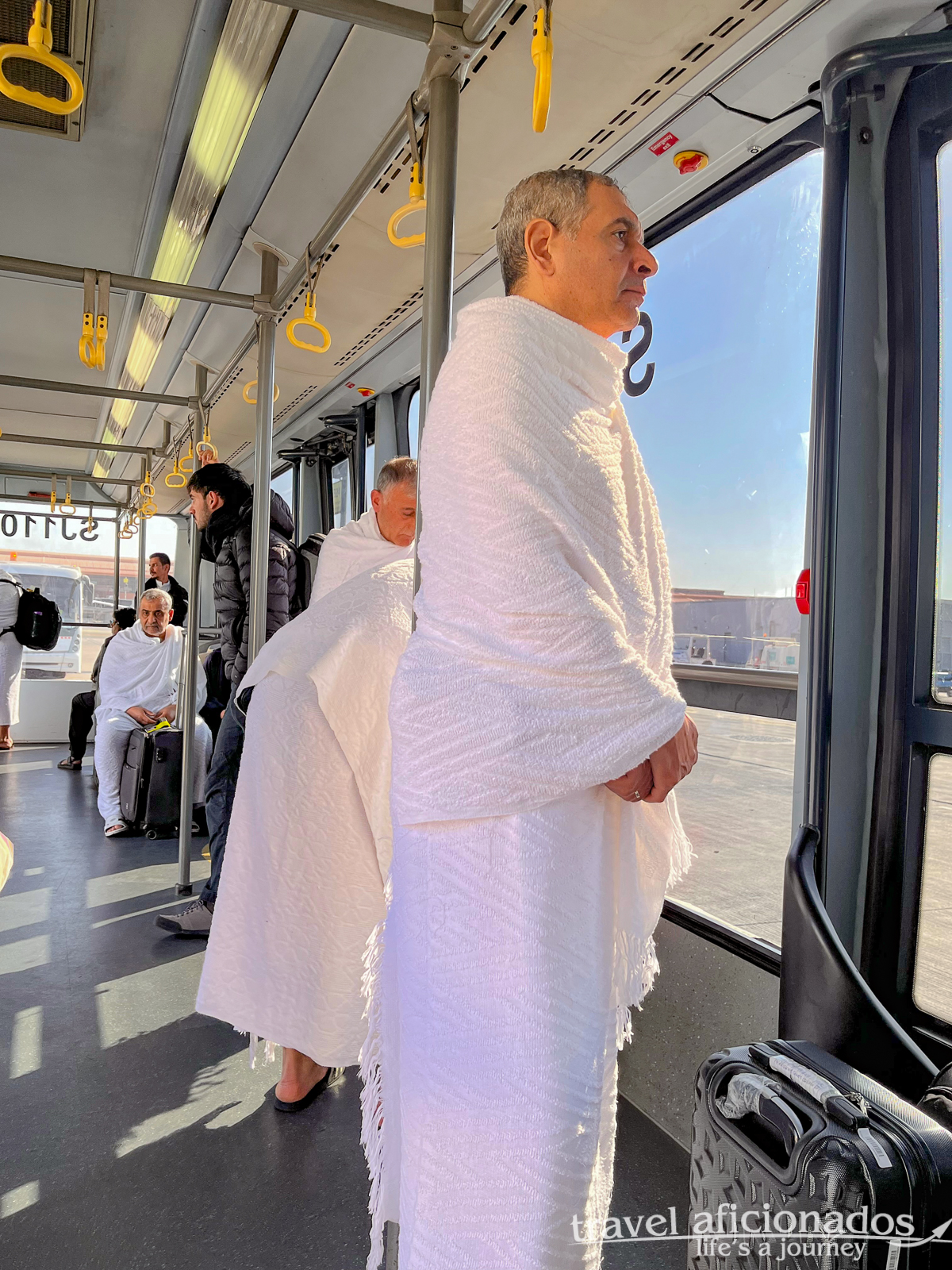
Pilgrims wearing the Ihram
“Ihram” is also the spiritual state of purity that pilgrims enter — both in body and mind.
I learned that there are two pilgrimages:
-
Hajj — the major pilgrimage, performed at specific dates, with extensive rituals.
-
Umrah — the “lesser pilgrimage,” voluntary and possible at any time.
The people in my hotel seemed to be there mostly for Umrah; I heard the word again and again. One evening I noticed something I had never seen before — a woman dressed in white like the pilgrims. It’s unusual, and she looked striking: a tall, dark-skinned African woman wrapped entirely in white. I couldn’t stop watching — it was beautiful and quietly powerful.
Fish Market
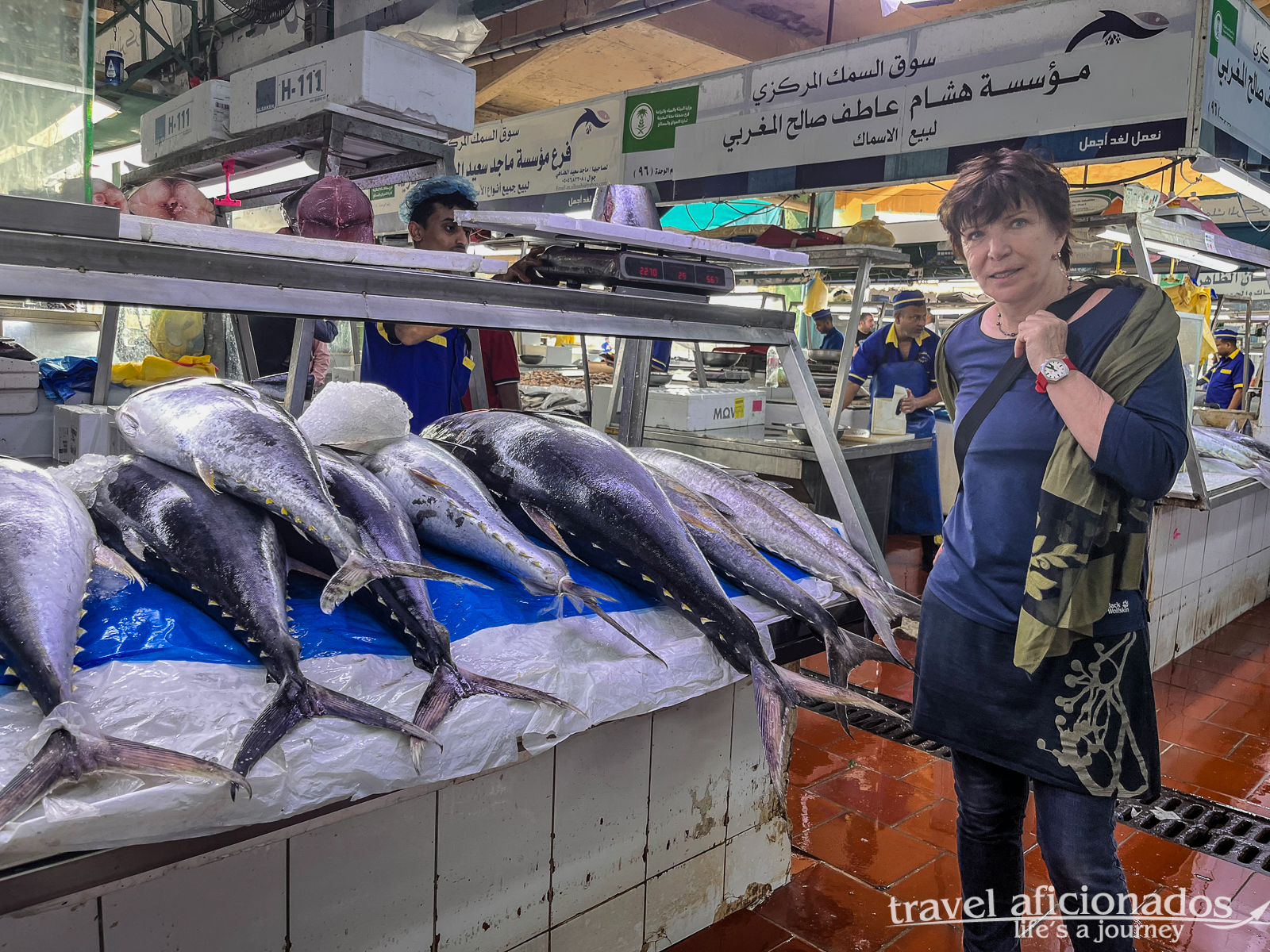
fit market, buy and have it cooked right there
One of the most memorable experiences was the fish market. I met a British woman on the plane and we did some exploring together, like walking to the fish market, which was really far and drivers gave aus surprised looks. I was really glas not to be alone. Two Europeans walking in the middle of nowhere is not a common sites in Saudi Arabia.
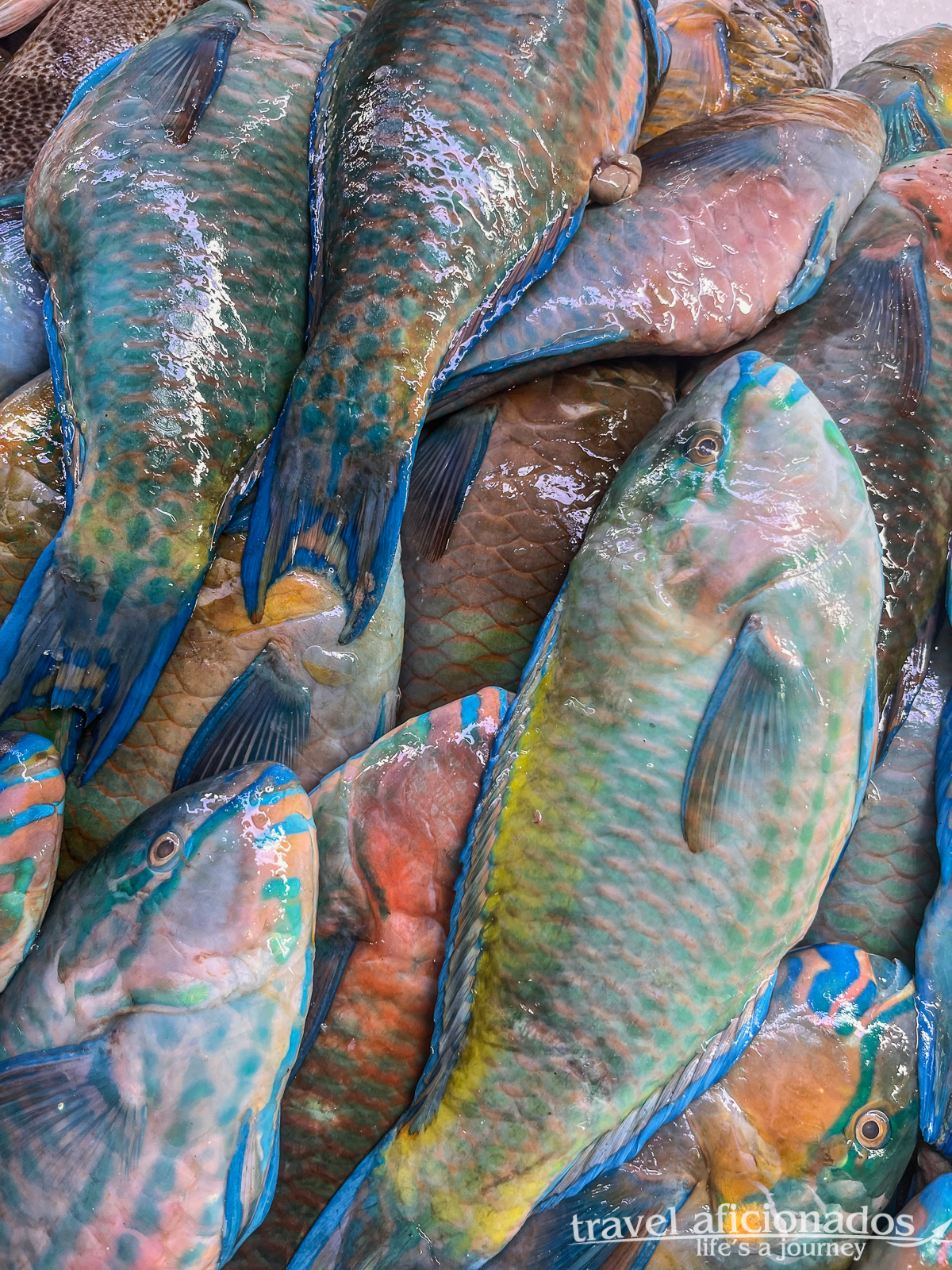
this parkt fish were so beautiful- I could have never eaten such a beauty
Once there we could not believe the variety of fish offered, many still jumping around, others so brightly coloured it was real.
Luckily we encountered a Pakistani who spoke English well and informed us that there is a restaurant where the cook whatever we buy. It was so cheap that we splashed – lobster, king prawns and a lot more, too much as it turned out.
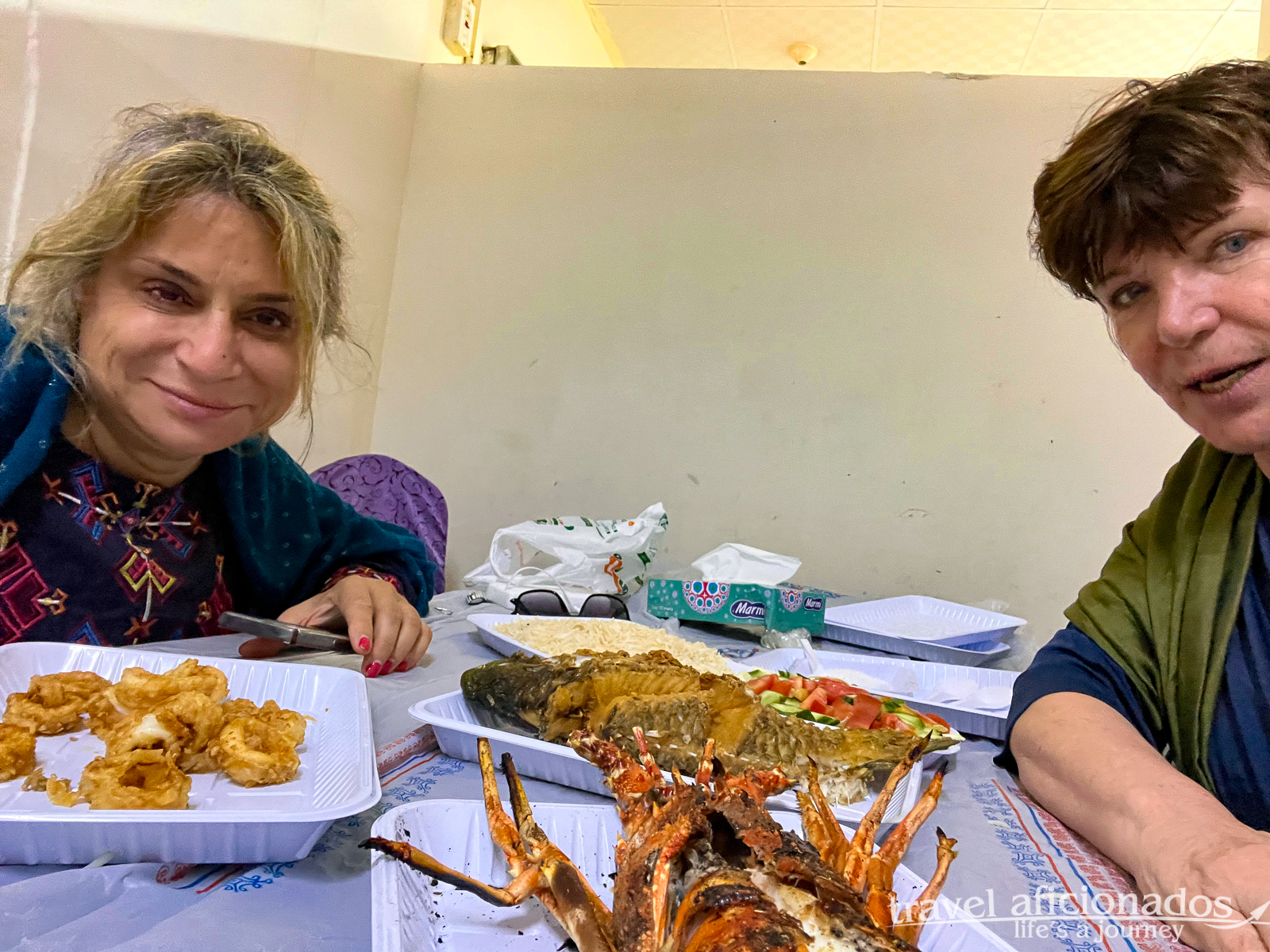
Amanda and me enjoying our catch in the family section
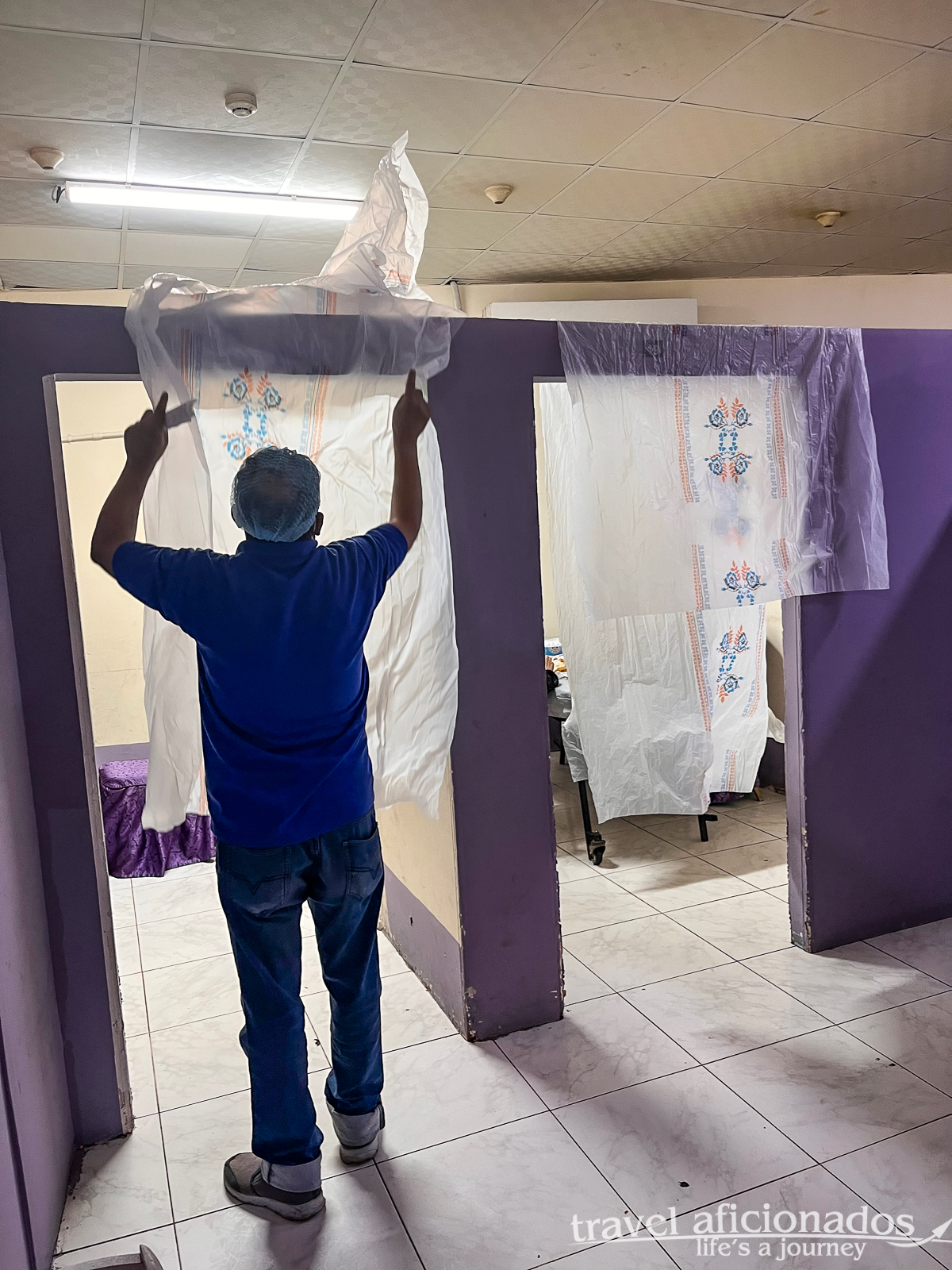
family section small cubicles with a plastic sheet providing privacy
There was a whole procedure to it. first buy the fish, then take to a place ihre it is weighed, cleaned and prepared for cooking.
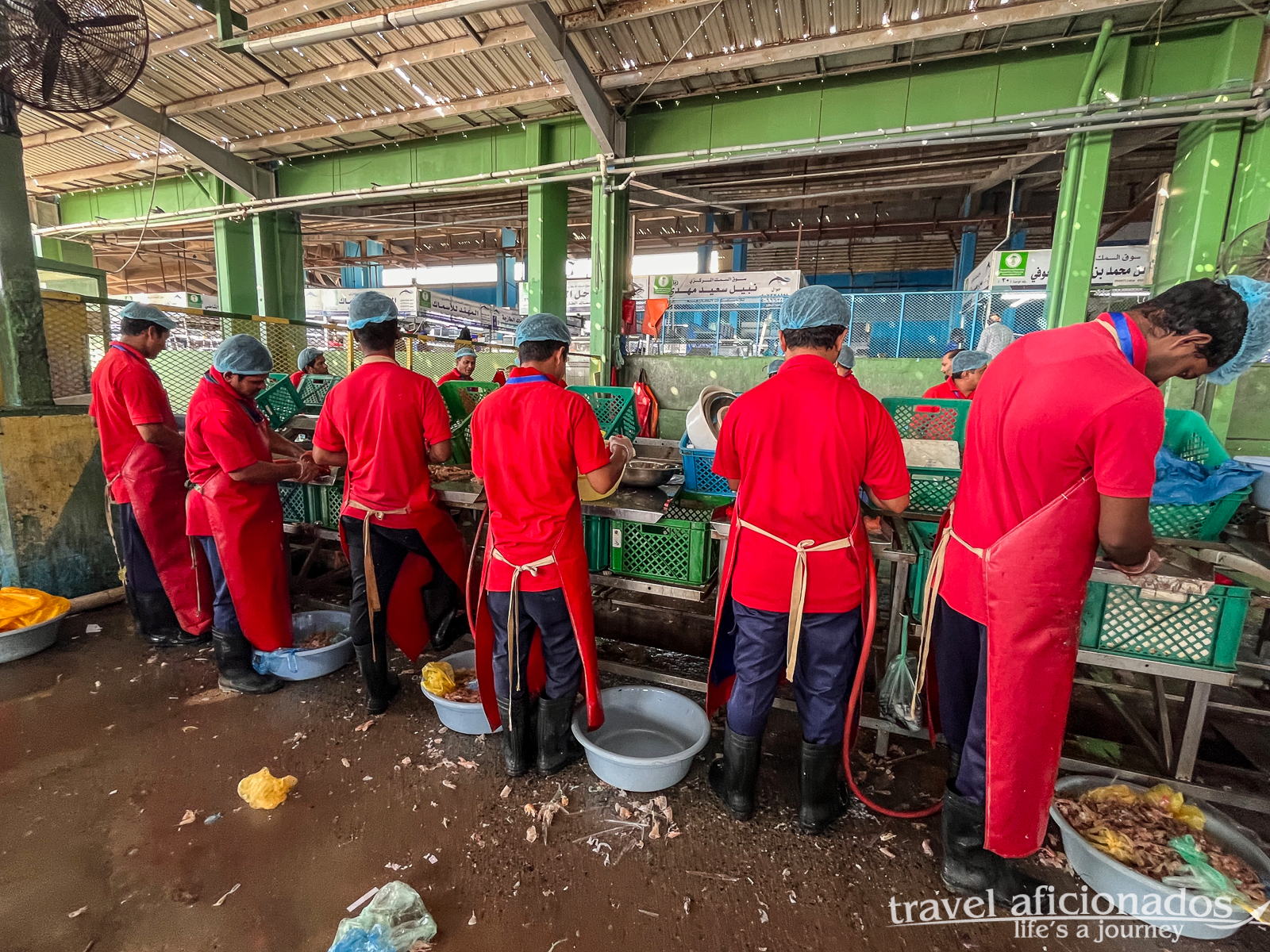
Cleaning section


Leave a Reply