

Minsk rose from the ashes of World War II to become a clean, modern city of two million people. Eighty percent of the city was destroyed during the German invasion, mostly burned down, since many houses were made of wood.
Today features wide avenues, grand Soviet architecture, lots of green parks, an artificial lake and large shopping malls. After deciding to stay two extra days to explore after Andres was off to do research, I found the city packed with Russian tourists, crowded hotels, and room rates that had doubled.
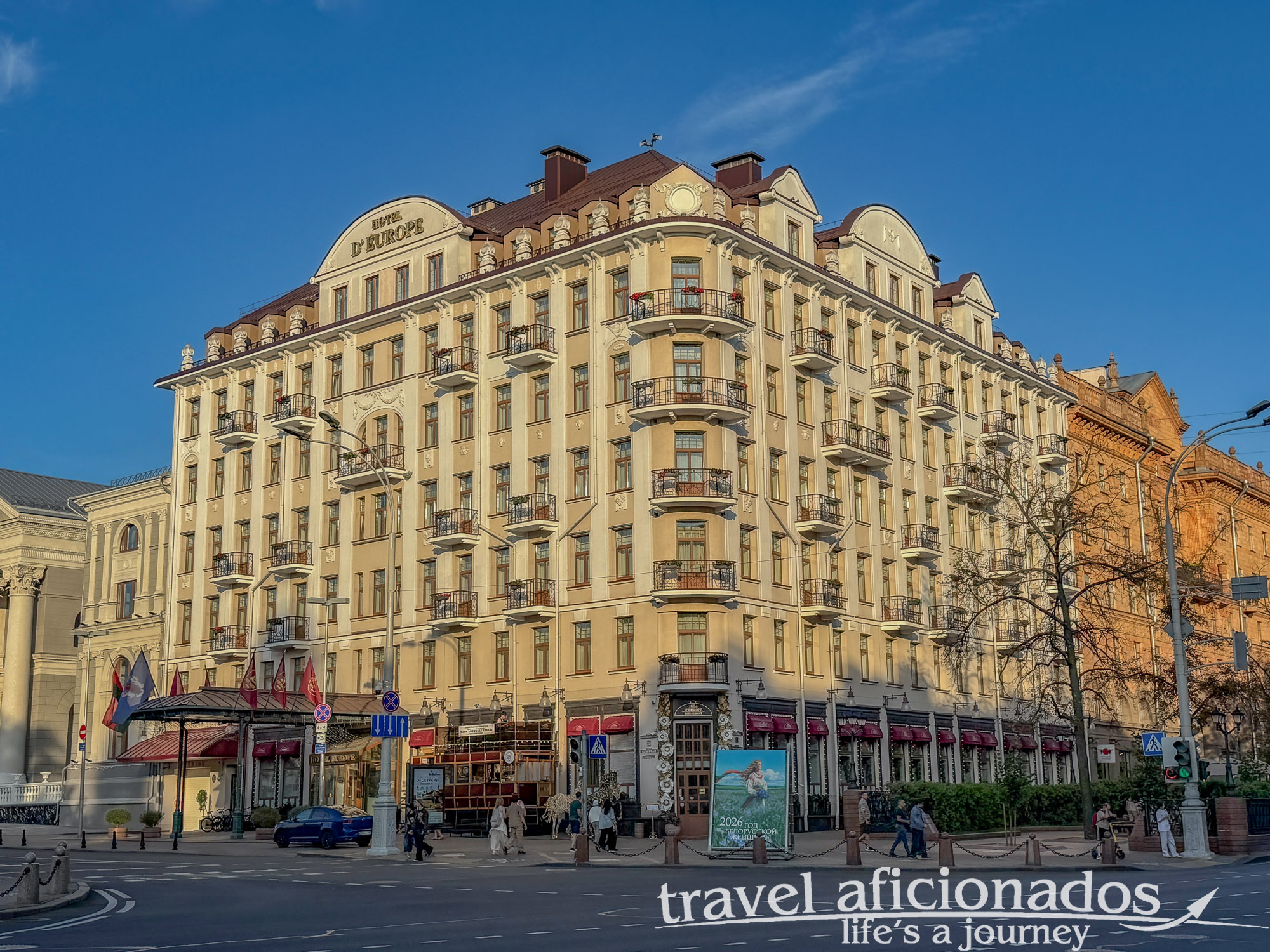
Grand buildings along XX
Victoria Park
Victoria Park in Minsk surprised me on my first morning at Hotel Victoria with a grand view of an artificial lake. Crossing a massive nine-lane road led me to this lively spot where people walked, biked, and rode boats.
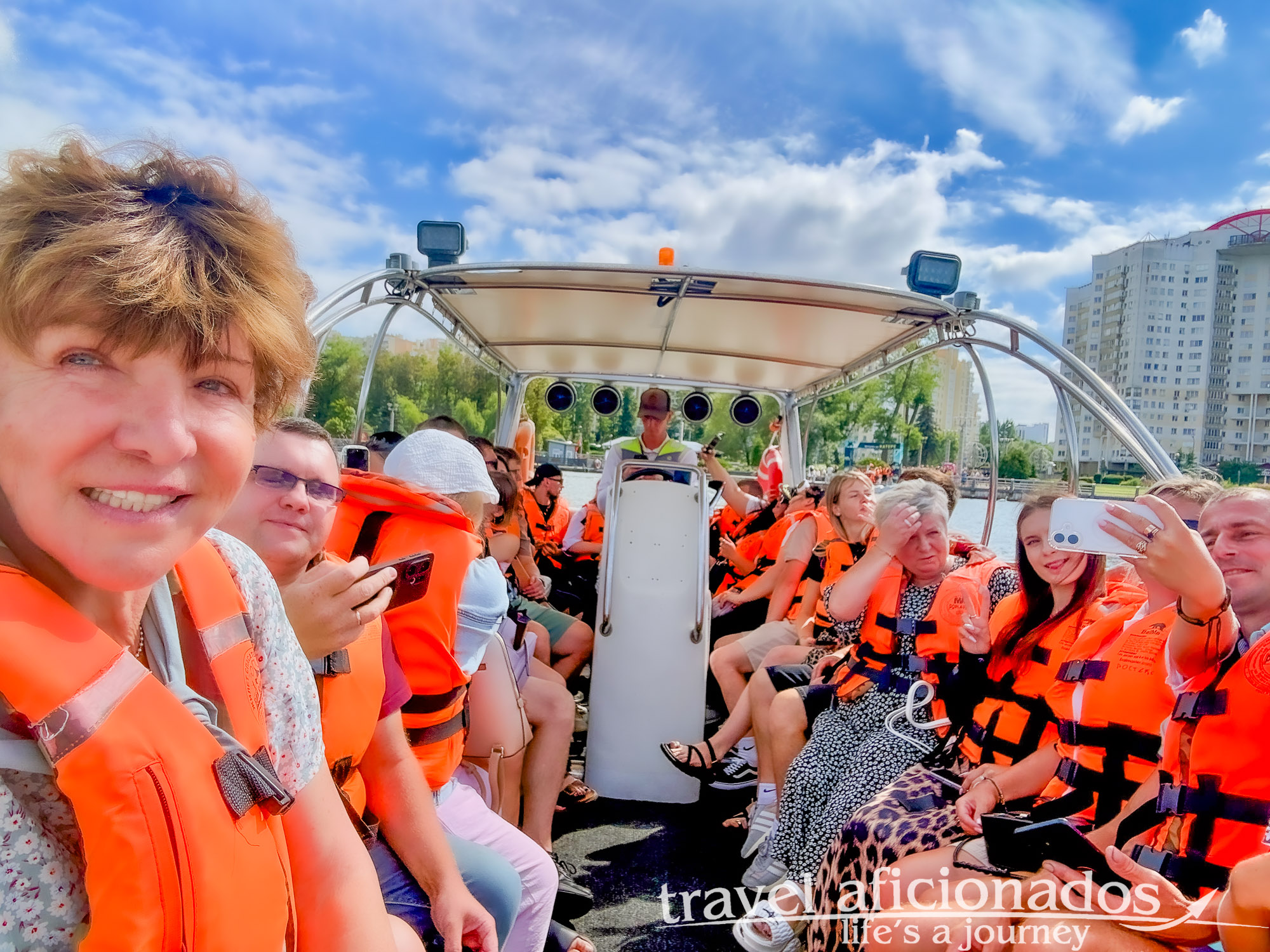
Boat ride in artificial lake in Victoria park
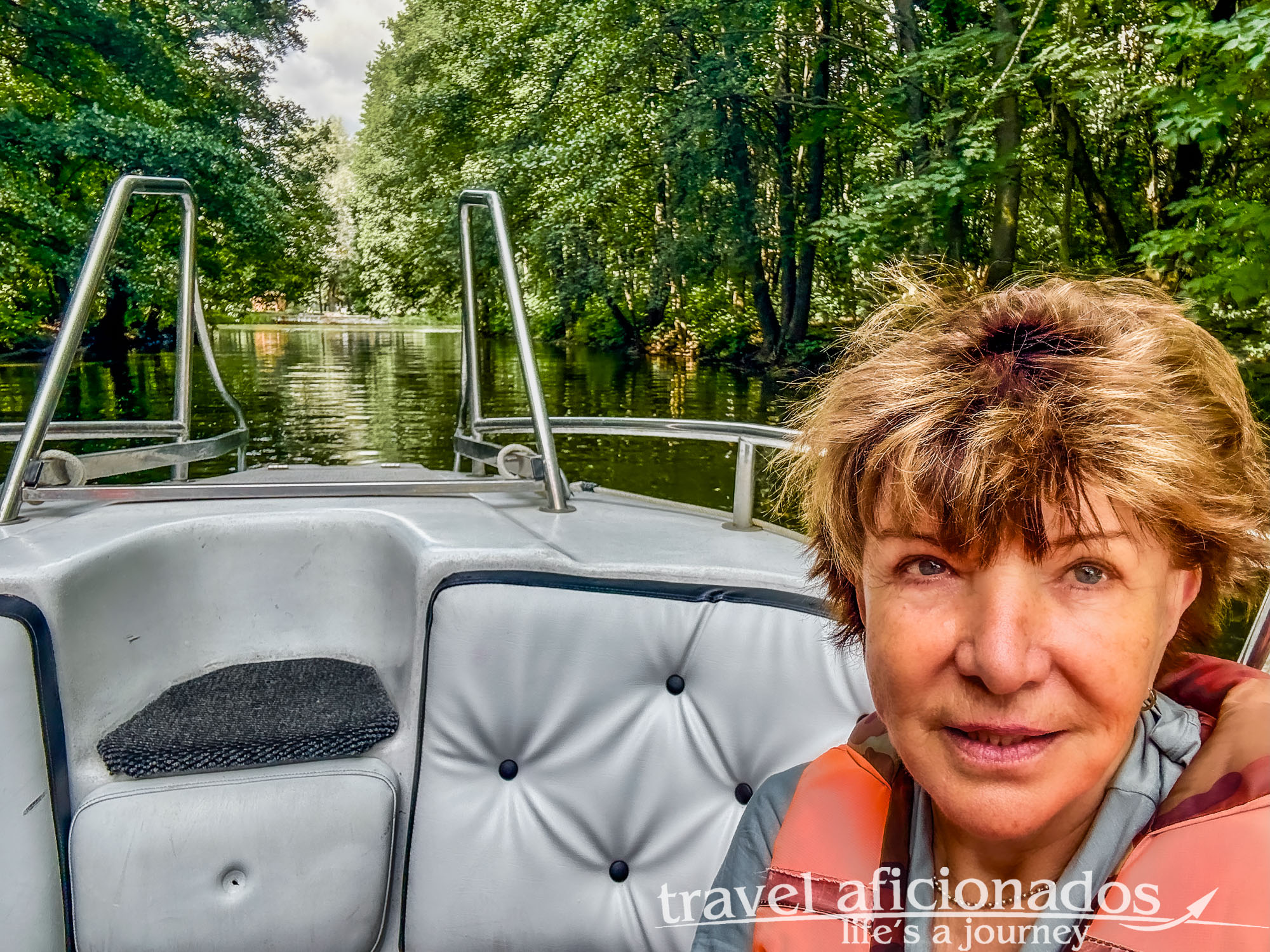
Boat ride in artificial lake in Victoria park
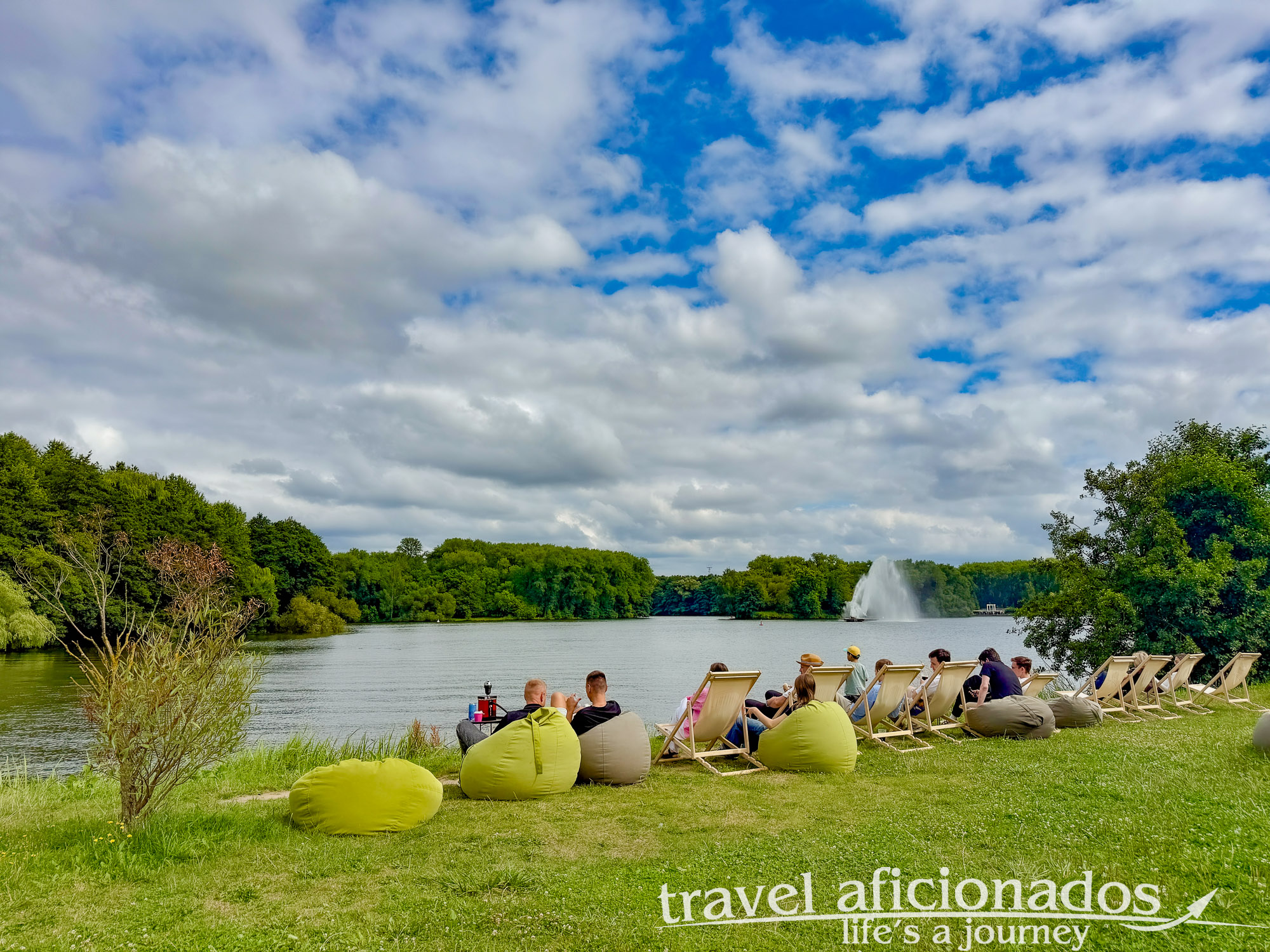
Victoria Park
Little stalls line the lake, where young women are selling ice-cream, which is still carefully weighed, like in Soviet time. Now in a more sophisticated way. The cone is put in an opening of a metal structure with stands on a flat scale.
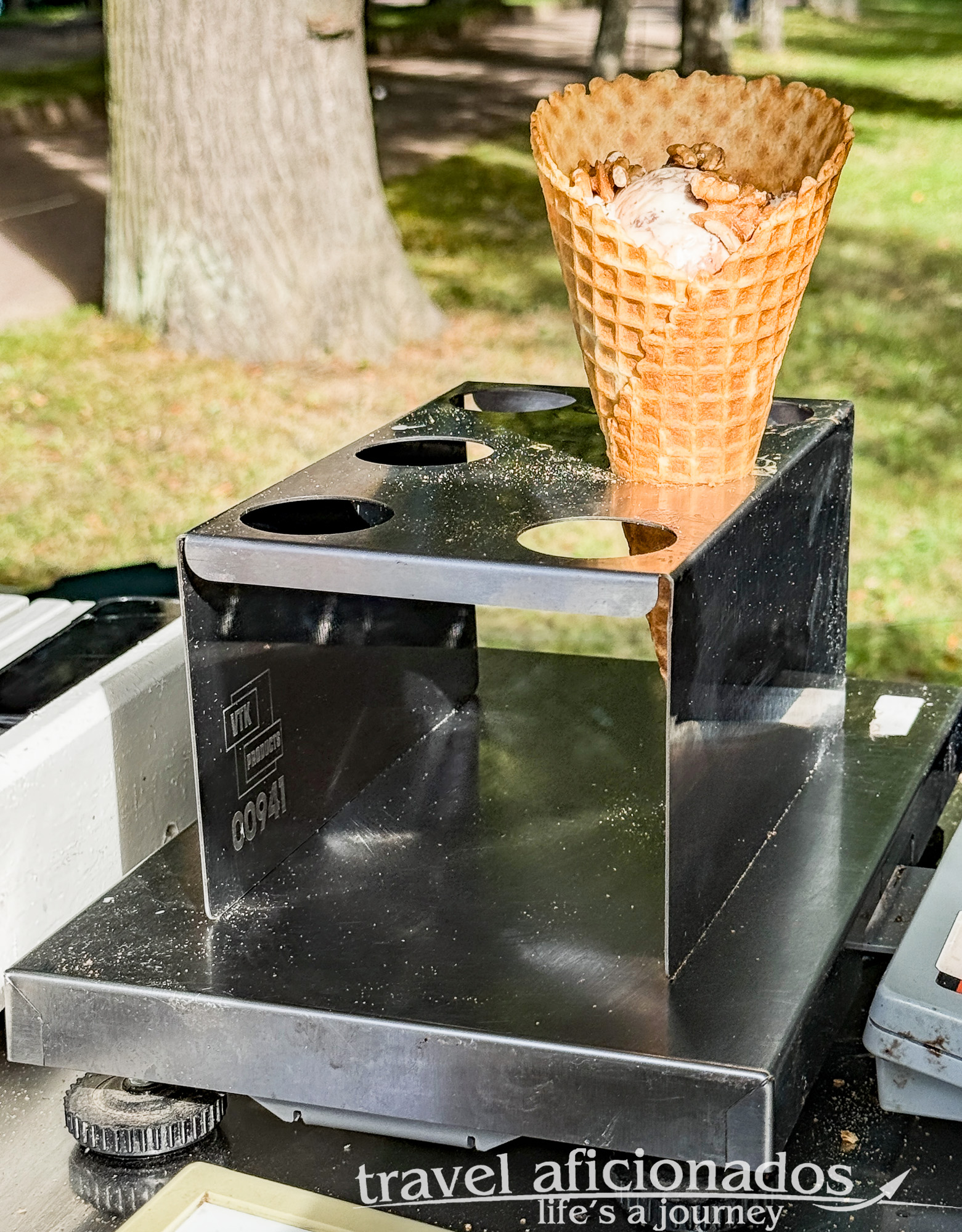
Ice-cream is carefully weighed
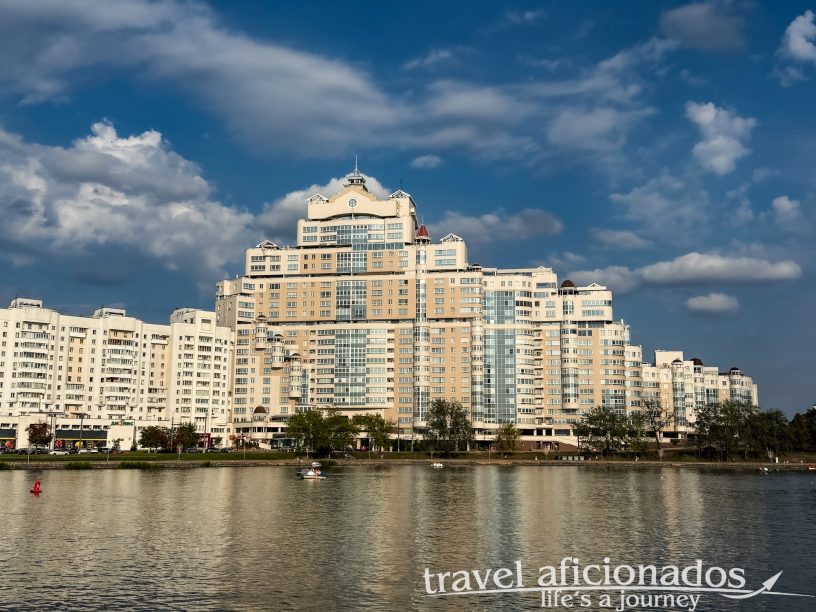
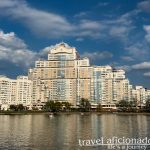
The park and its artificial lake reach all the way into the heart of the city center. A massive apartment complex towers at the edge of this green space. These are the most expensive flats in all of Minsk, I was told. From up there, the view must be breathtaking. You look straight out over the water, the small historic center, and the Island of Tears.
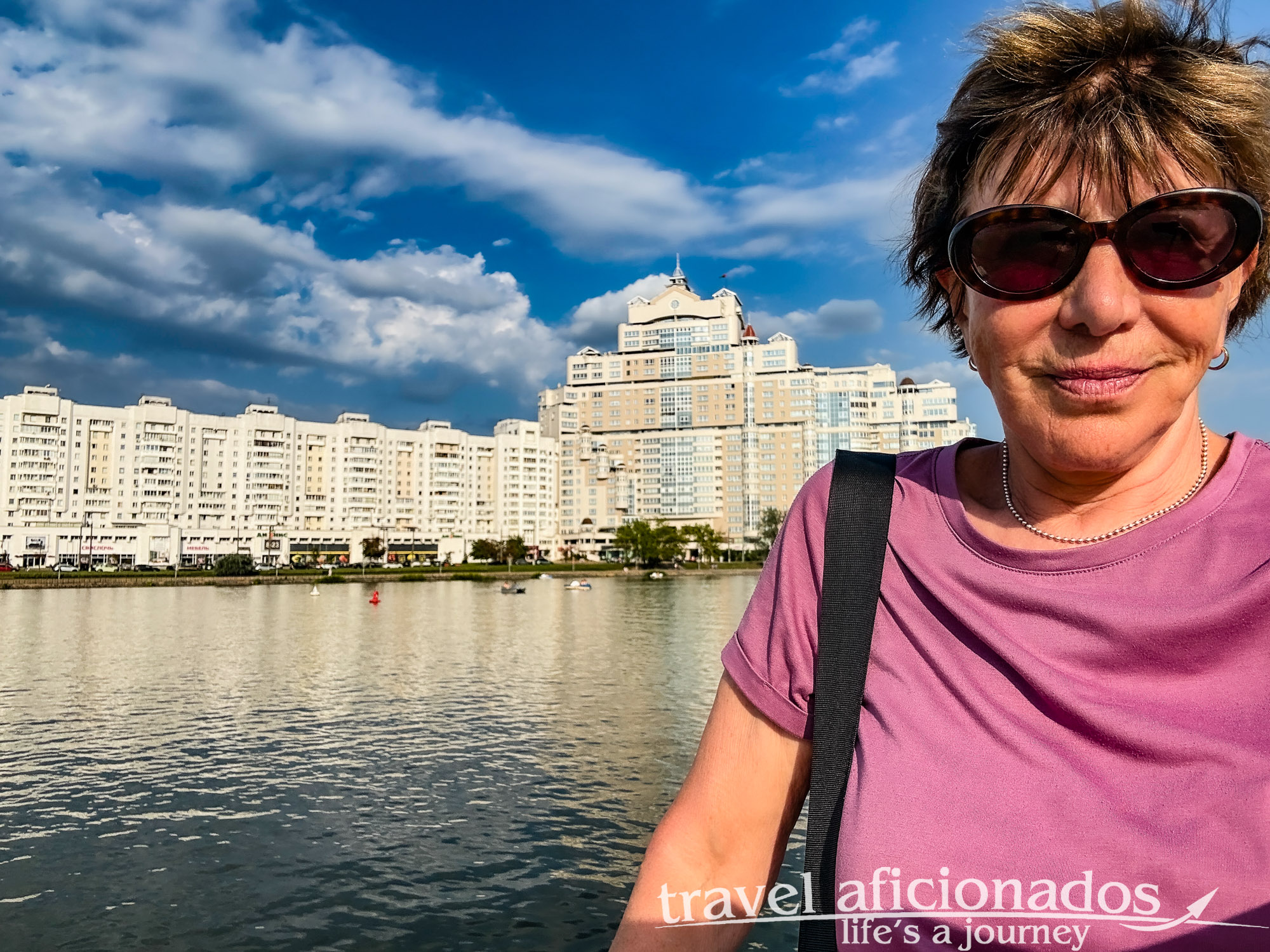
Minsk’s most prestigious housing in the background
City Tour in Russian
I realized I could not explore Minsk entirely on foot, and my stay was too short to figure out the local bus system. The only available city tours were in Russian. I figured it was better than walking my feet sore—plus, my phone’s translation app served me well.
I joined 15 Russian tourists for a combination of walking and driving along the city’s most famous avenues. We cruised down Independence Avenue, lined with monumental Stalin-era imperial buildings, many of which were built by prisoners of war. I stayed silent the entire three hours; I am pretty sure they never realized I didn’t speak a word of Russian.
Videos of Prospects
Even without understanding the guide, I saw sights I could never have covered on foot. We stopped by the striking, 23-story National Library of Belarus, a structure with a fascinating architectural concept designed in the final years of the USSR that finally came to life in 2006.
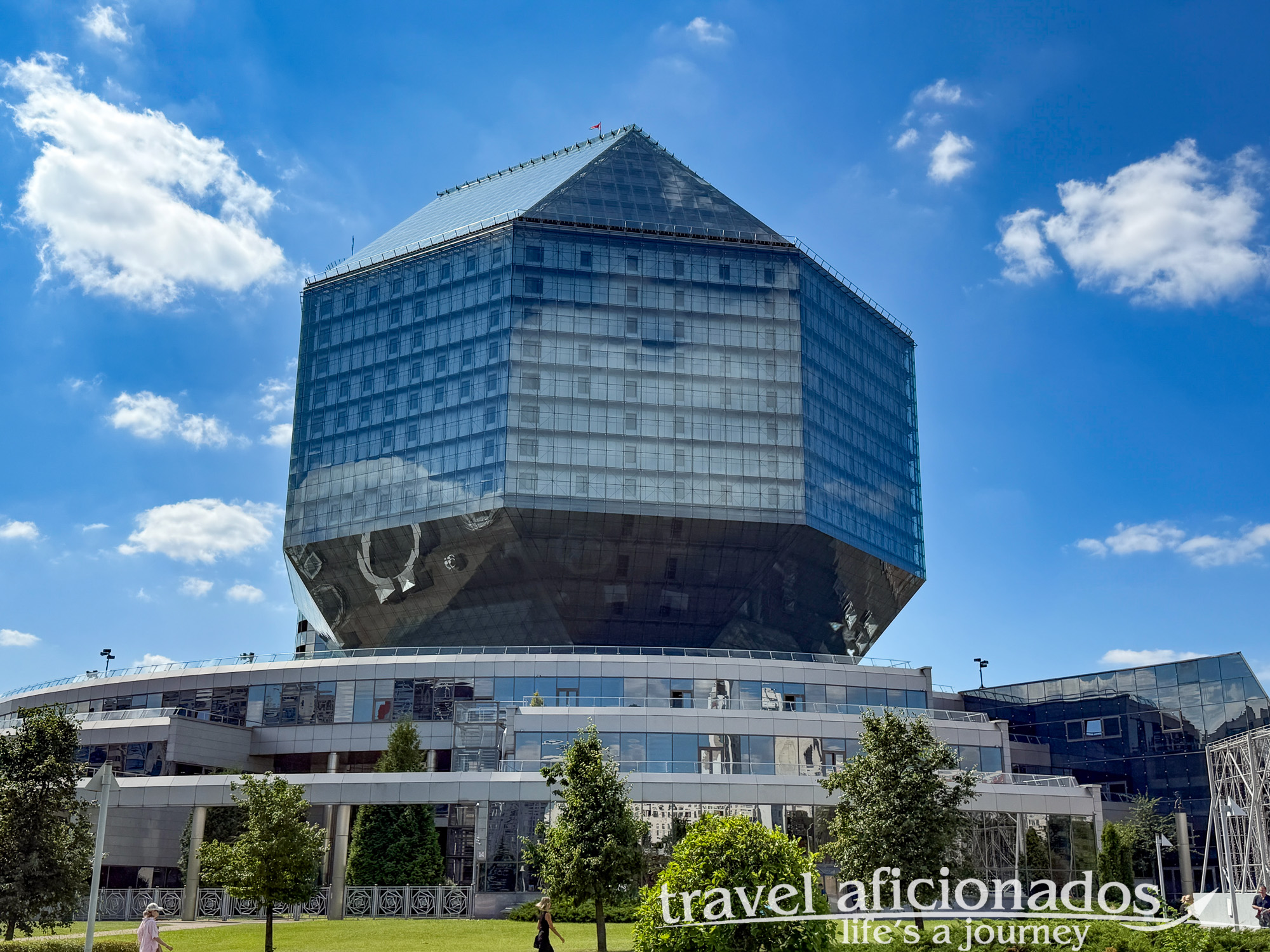
23-story National Library of Belarus
Everything in Minsk feels grand and expansive. To walk all around Independence Square would tire me down, although there are only three sights: the charming Red Church (St. Simon and Helena), the 100-meter-long, bright-white facade of the House of Government, with a gigantic statue of Lenin in front. Some things change slowly, if at all.
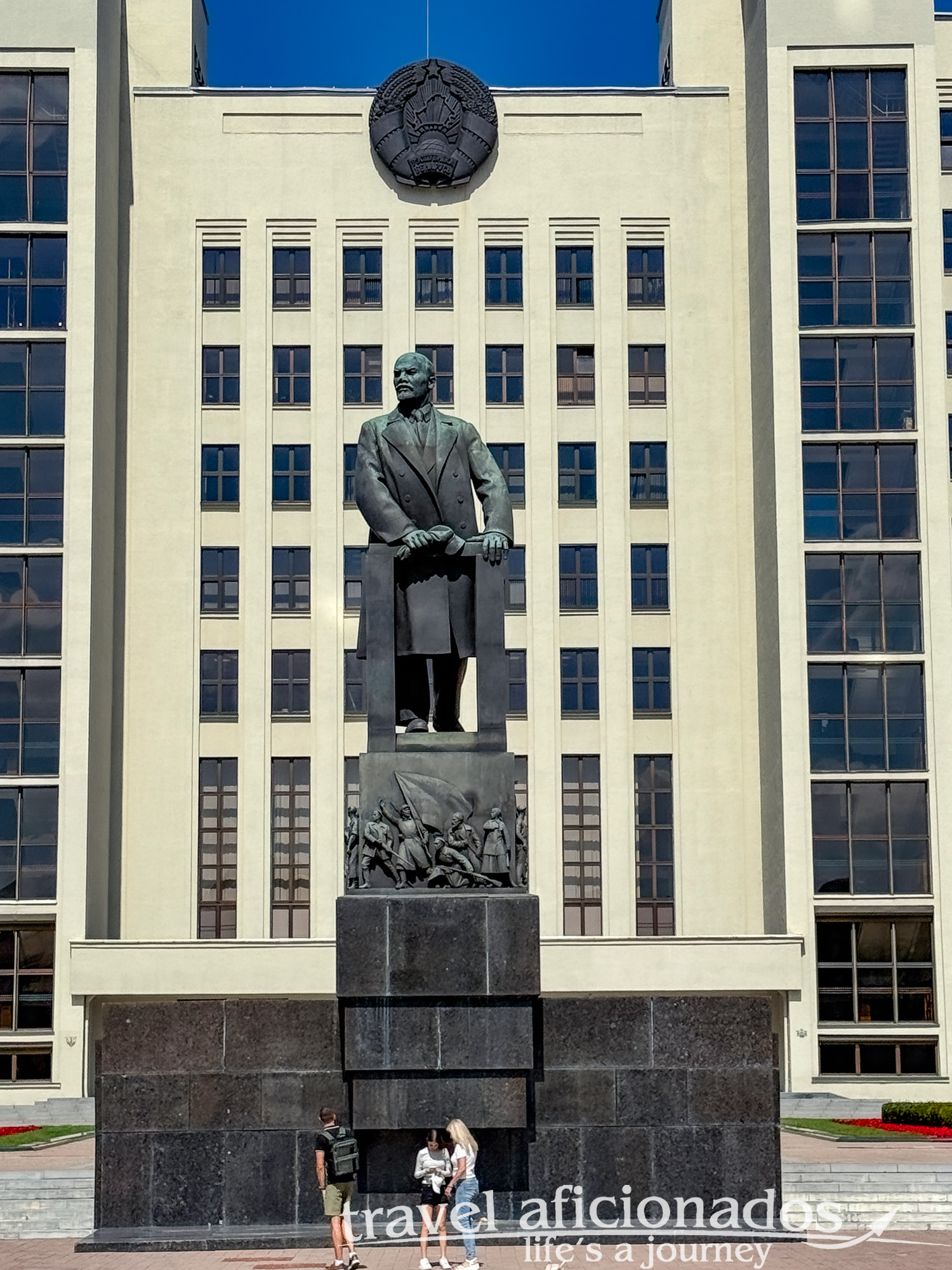
House of Government, with a gigantic statue of Lenin in front
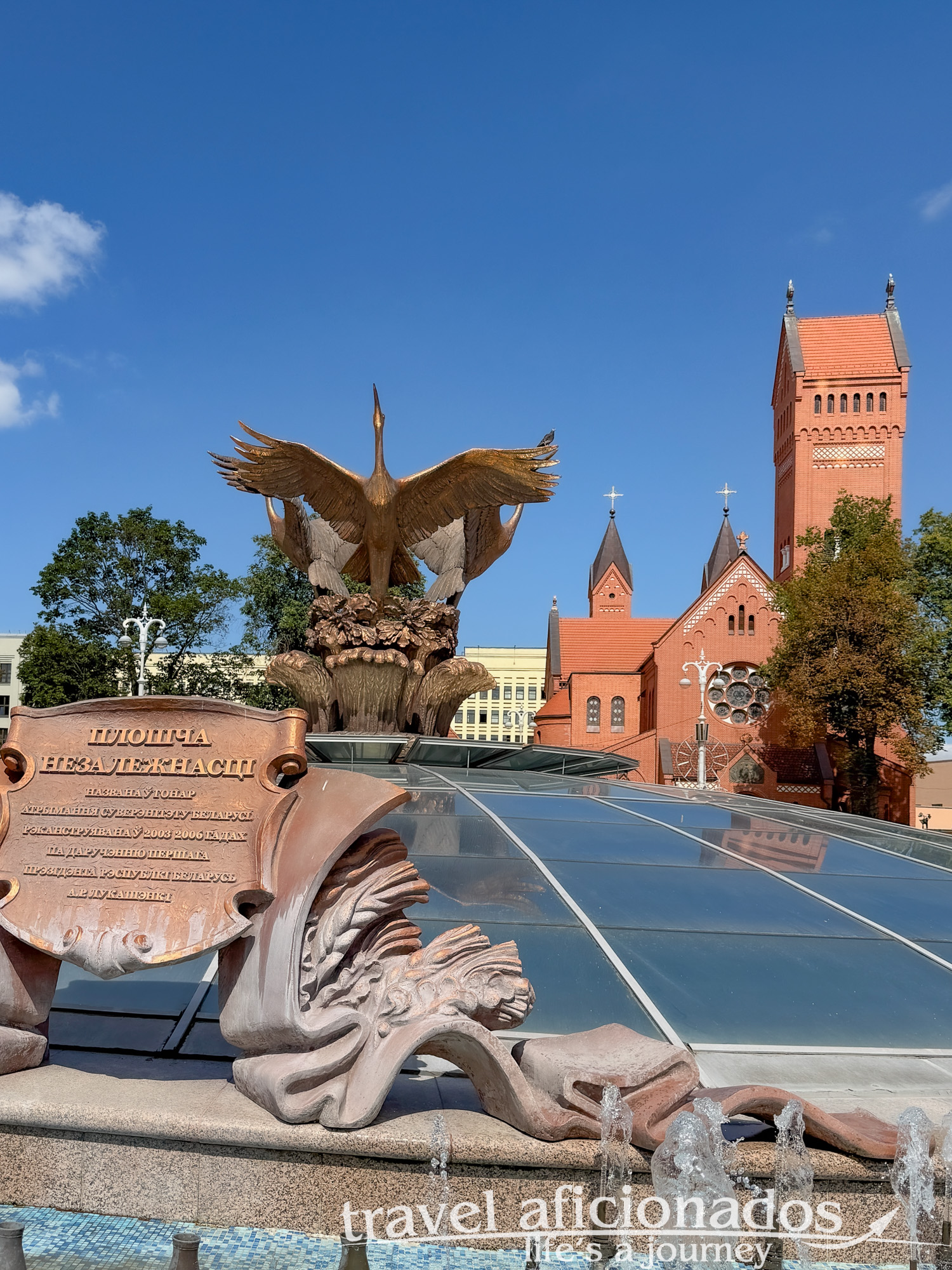
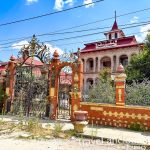
Red Church – Church of St. Simon and Helena
True to its history, the main streets carry revolutionary names like Partisansky Avenue or October Street. October Street has evolved into a cool hipster district where old brick factories now house art studios and trendy restaurants.
I found the main thoroughfares ridiculously wide—often eight to nine lanes across. When two such avenues intersect, the junction is the size of a soccer field. Yet talking to locals they felt differently, they love them.
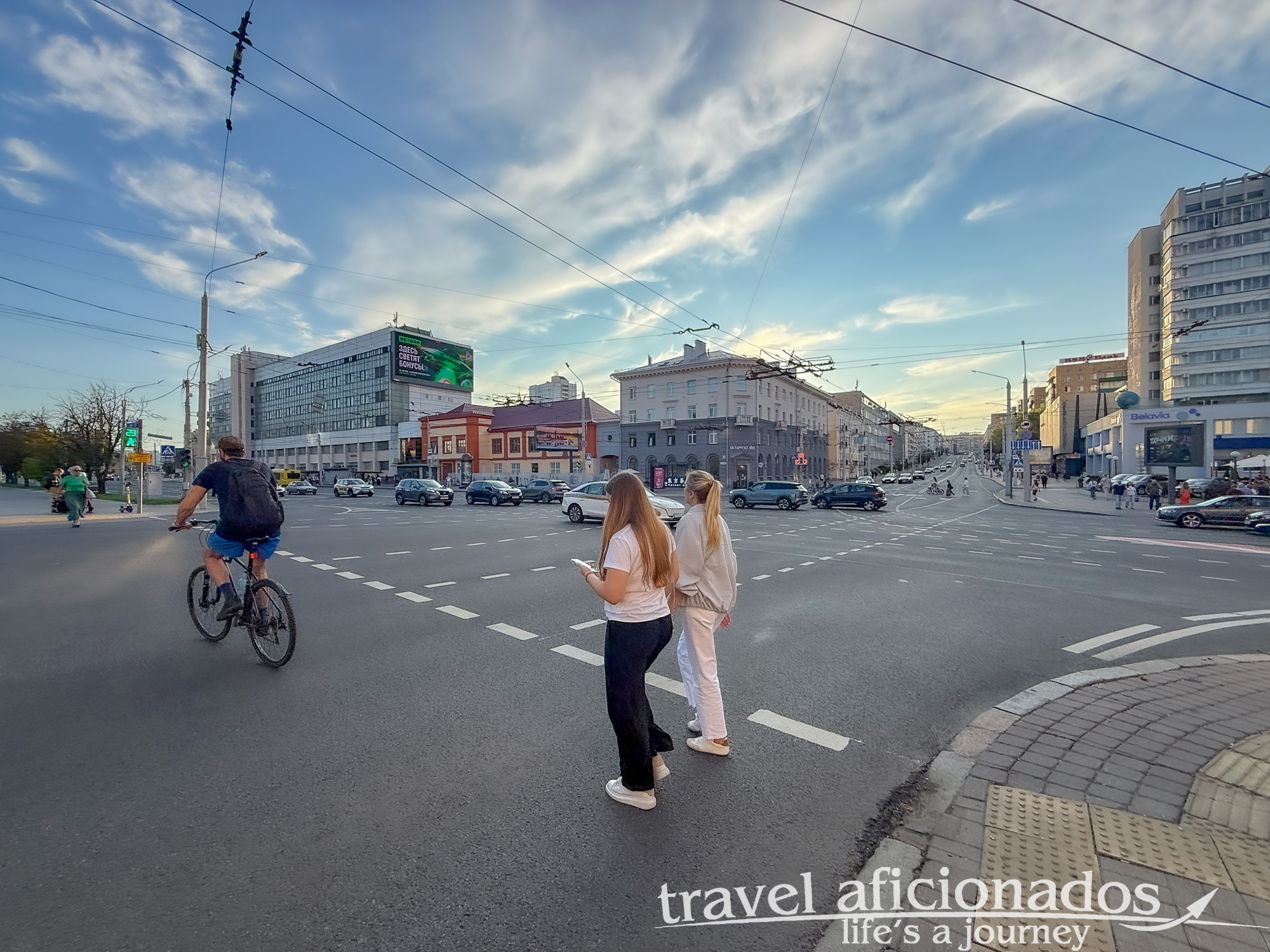
6-8 lanes street crossing
All in all, this three-hour excursion cost 20€ [1]. It wasn’t particularly informative due to the language barrier, but it saved my feet and covered a lot of ground
Minsk – shoppers paradise
Minsk has a surprising number of massive shopping malls, in its very center, so they are easy to reach by public transport. You can find almost every major global brand here, only McDonald’s was cloned XX. During the busy August tourist season, these malls were frequented by Russian visitors who choose Minsk because of travel restrictions elsewhere, plus the language is almost identical.
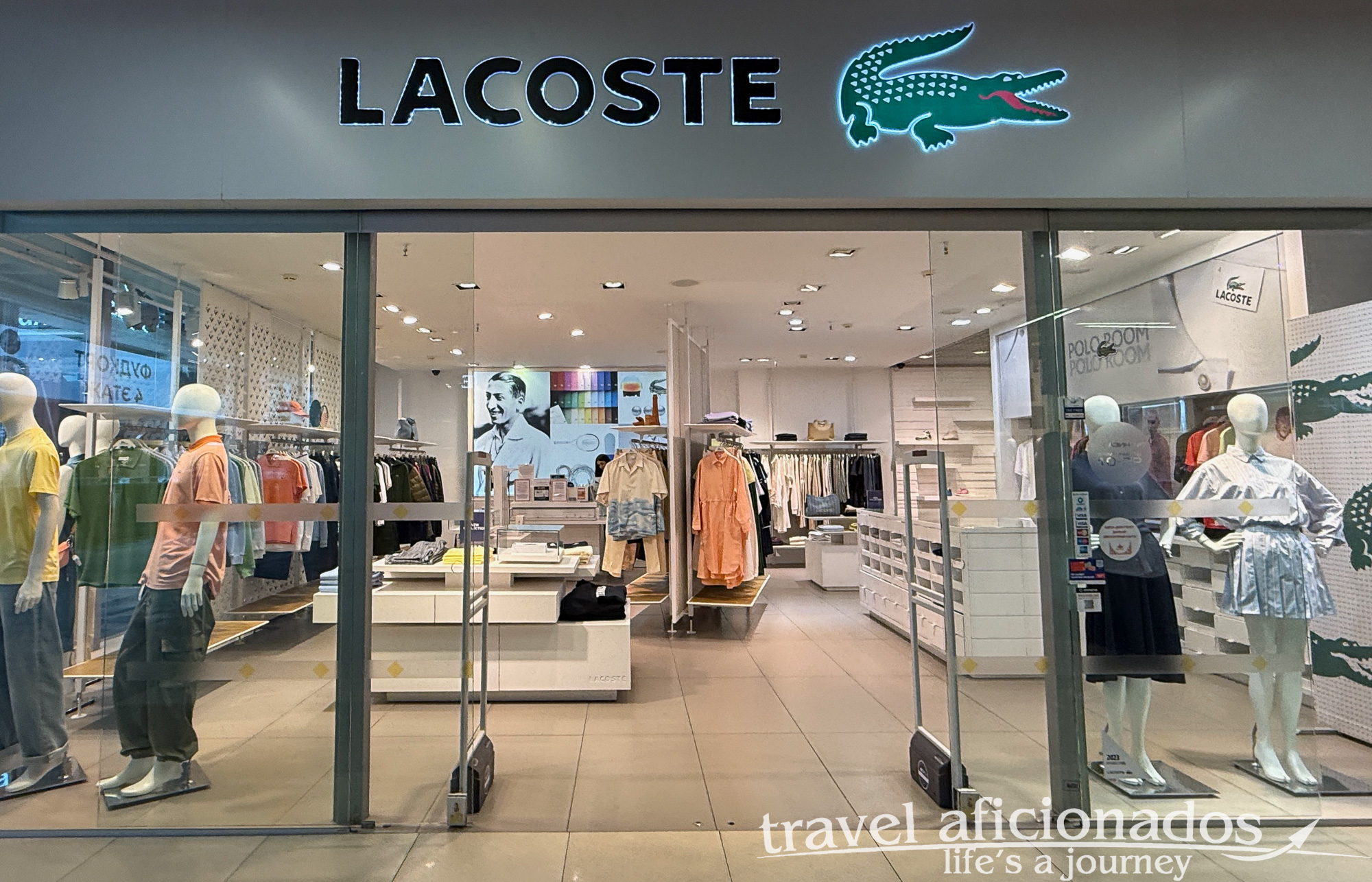
shopping center in Minsk
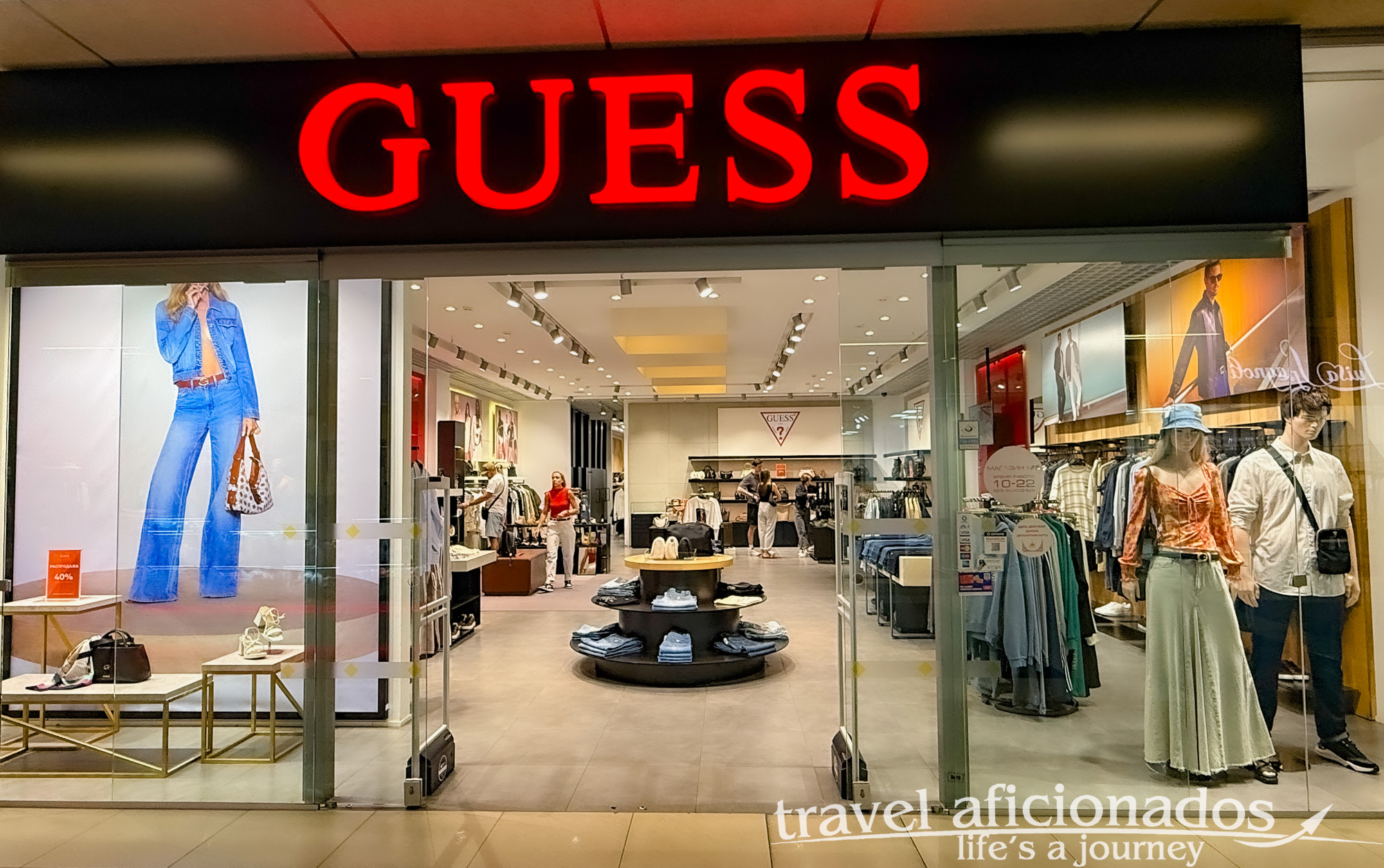
shopping center
Trainstation and Gates of Minsk
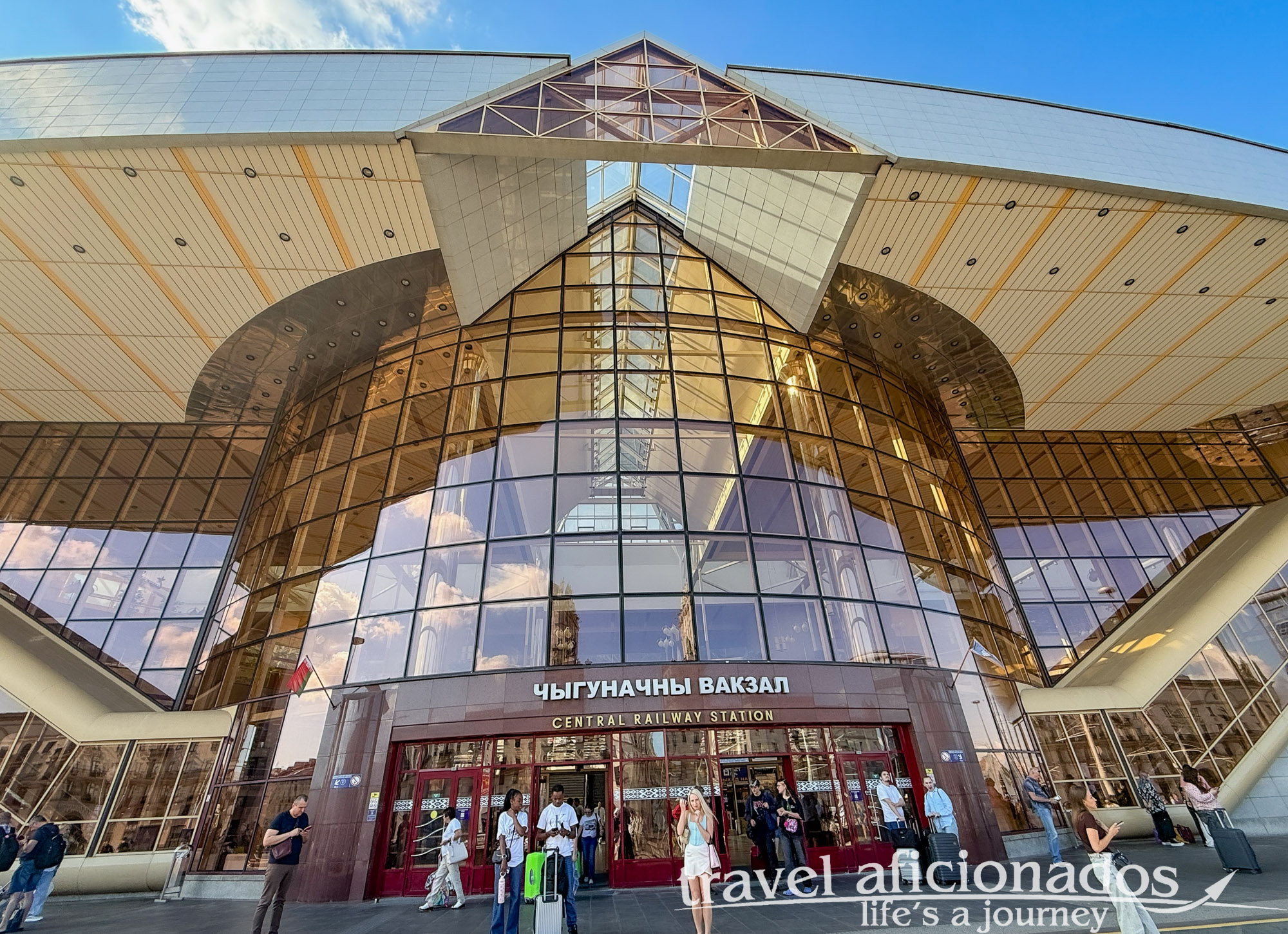
Minsk train station
The Minsk Train Station and the famous Gates of Minsk make a especially sight at night.
They were the stunning first impression, I saw when I stepped out of the train at Minsk train station late at night
The new train station is a sight in itself, especially from outside. From the top of the main escalator inside the trainstation you have a great view of the Gates of Minsk.
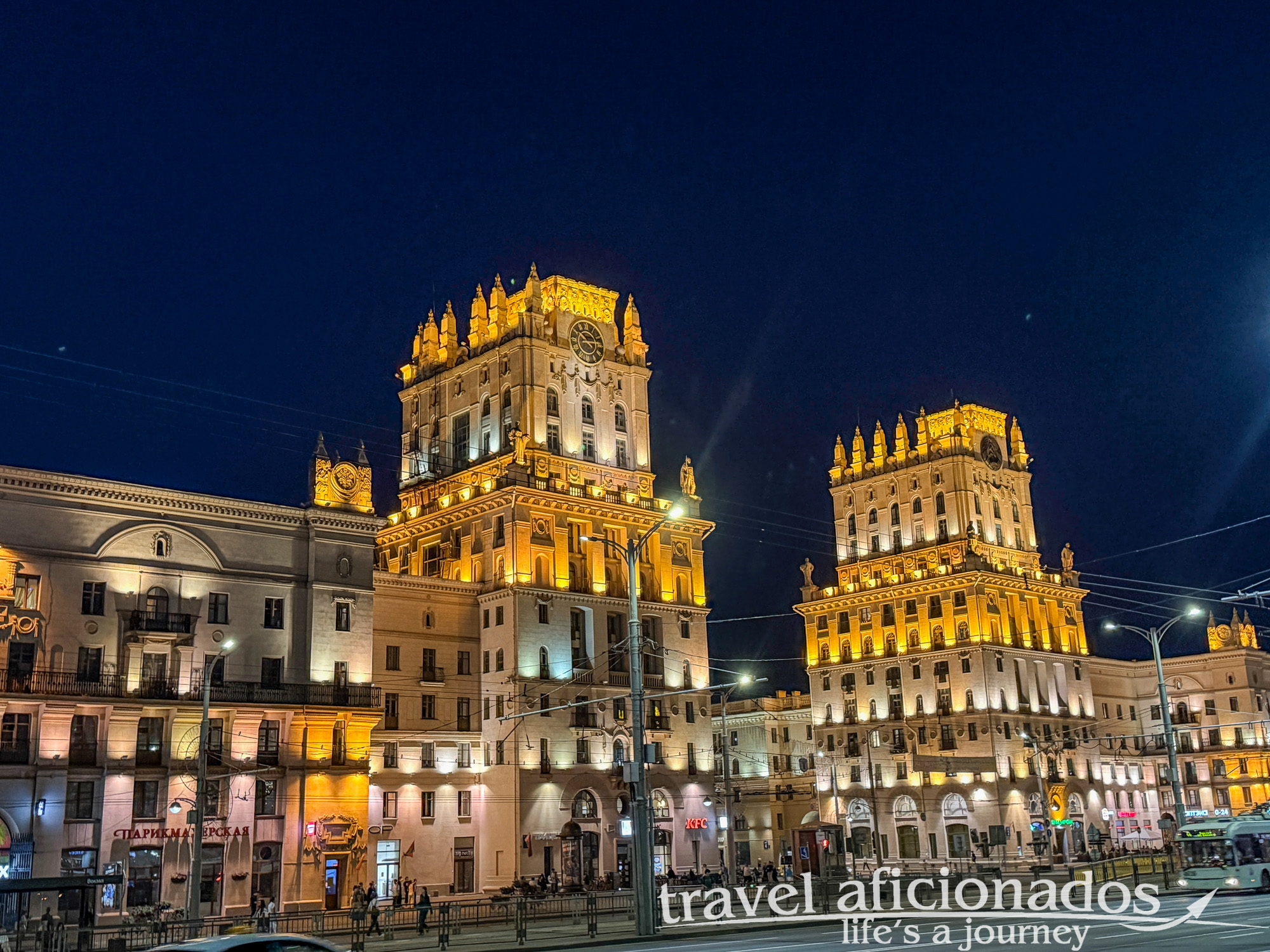
Gates of Minsk
Another perspective of the Gates of Minsk I discovered from the roof top café of the Galileo Shopping Center Galileo, left of the train station. Since the view at night the gates is so spectacular, I walked the 15 minutes to the train station on my last night to see to really appreciate it. When I arrived I was comatosed from days on trains.
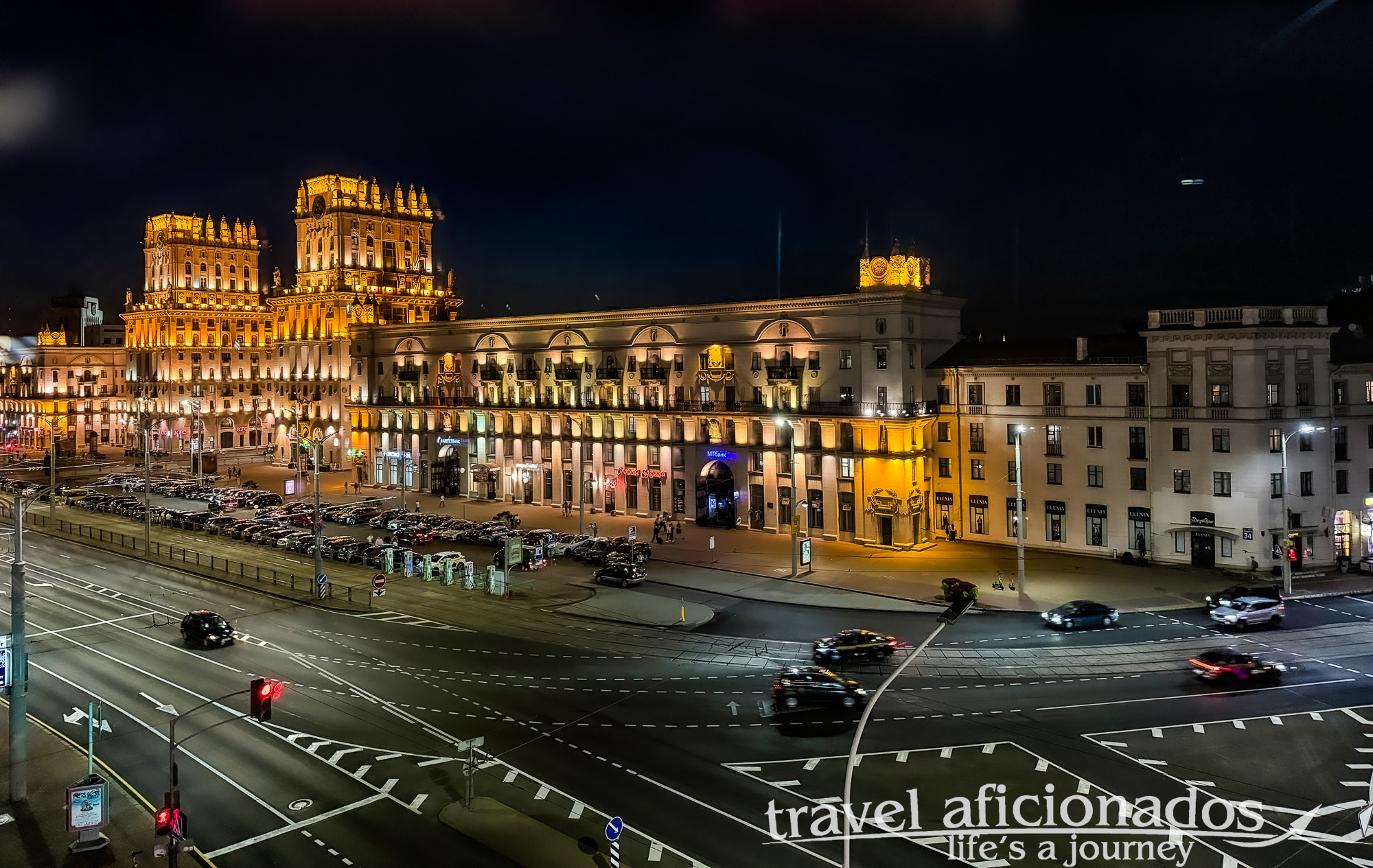
View of trainstation from shopping center Galileo at night
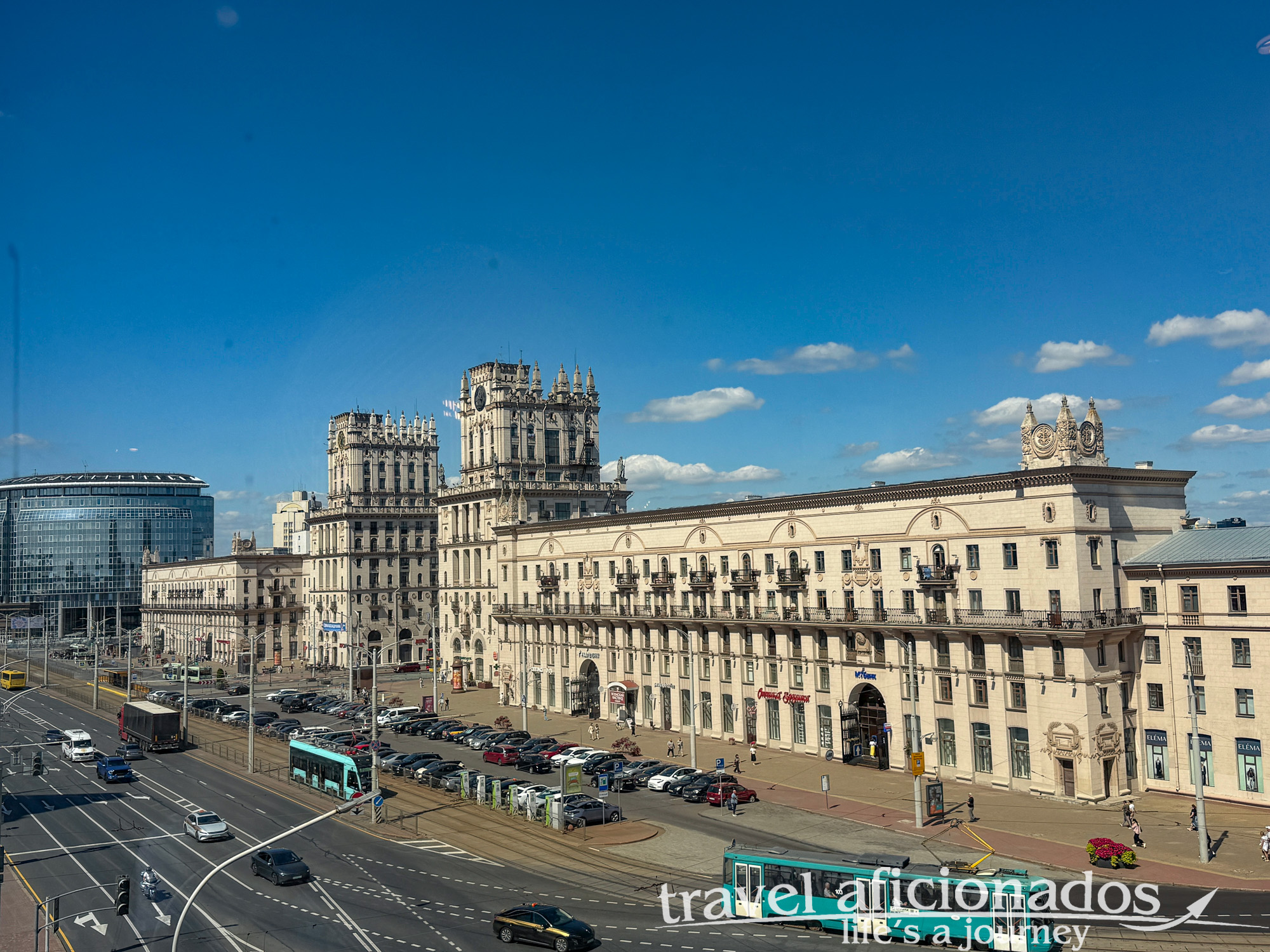
View of train station from shopping center Galileo during daytim
I even went up and down the train station to find a spot for a photo that does justice to this colossal structure: two completely symmetrical 11-story tower, built in 1953, pure Stalinist classicism.
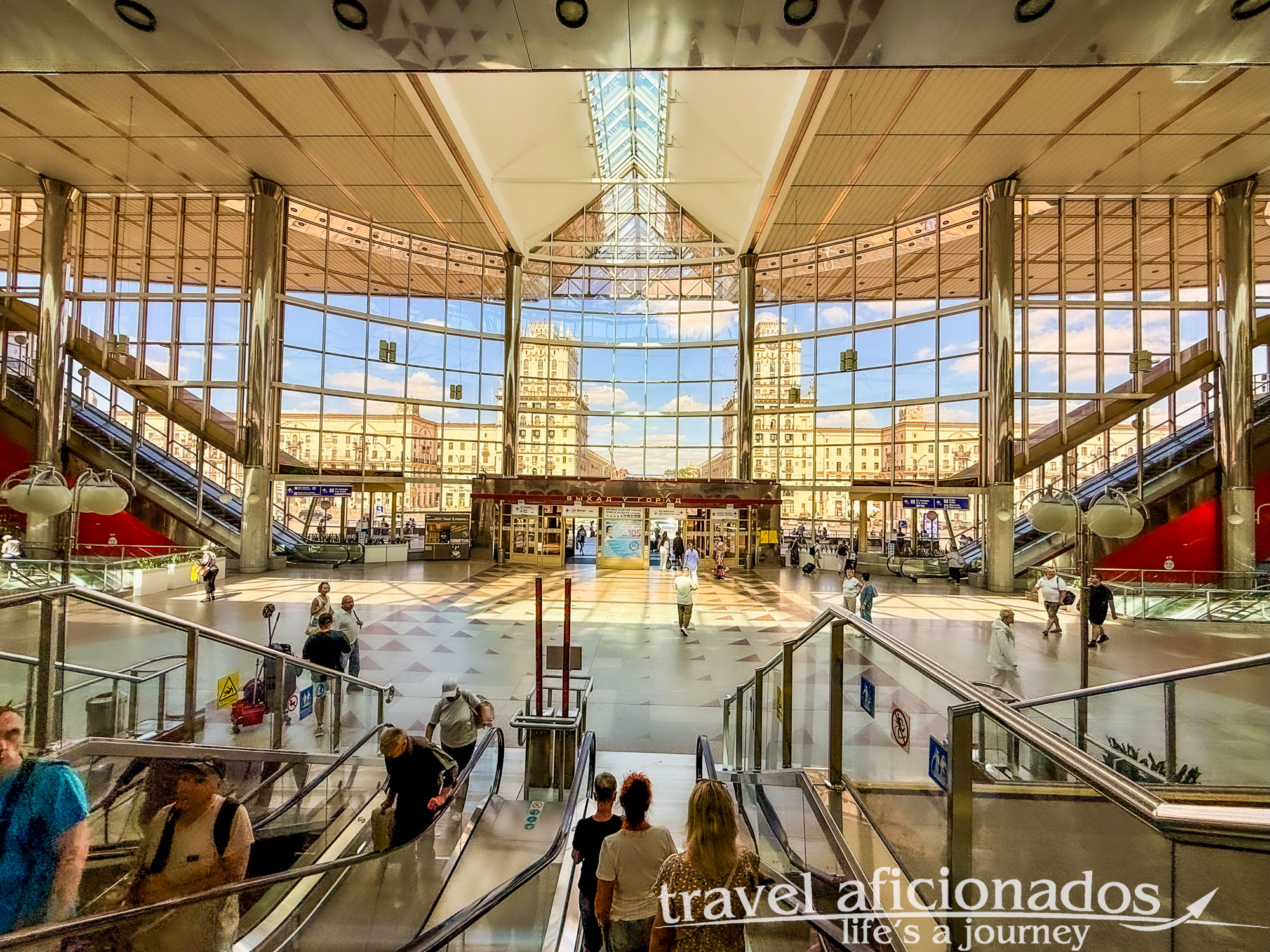
Inside Minsk trainstation
Vierchni Horad: The Old Historic Center of Minsk
The historic area of Minsk – also called Upper Town – was within walking distance from the hotel I moved on my second day. Vierchni Horad comes very close to the charm of an old European city – narrow streets, cozy squares, majestic buildings, and numerous churches and monasteries. You will also find the City Hall, prestigious merchant mansions, and weird sculptures like horse-drawn carriages and a singing bench, where tourist pose all day long.
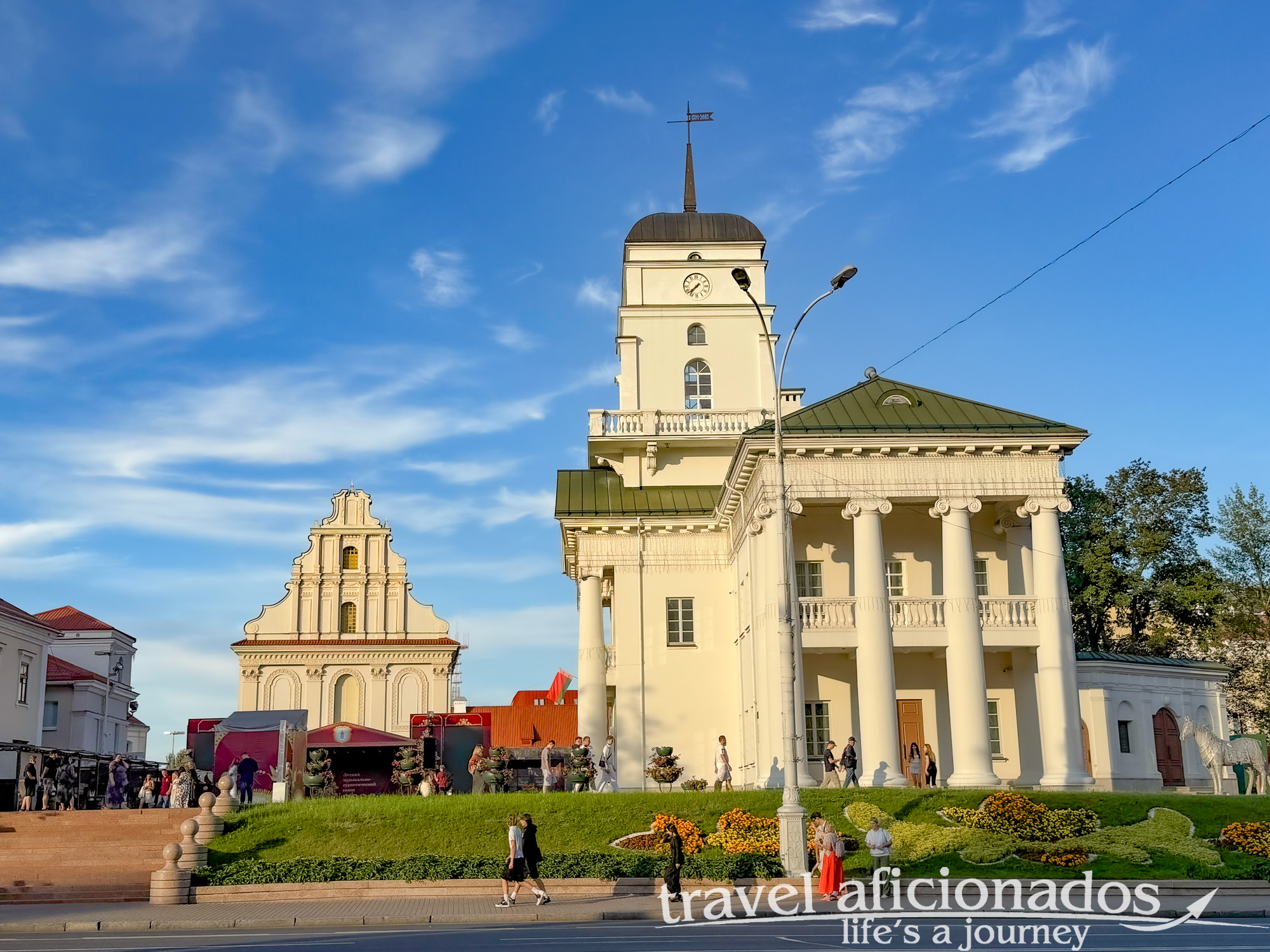
Historic Center of Minsk- Upper town
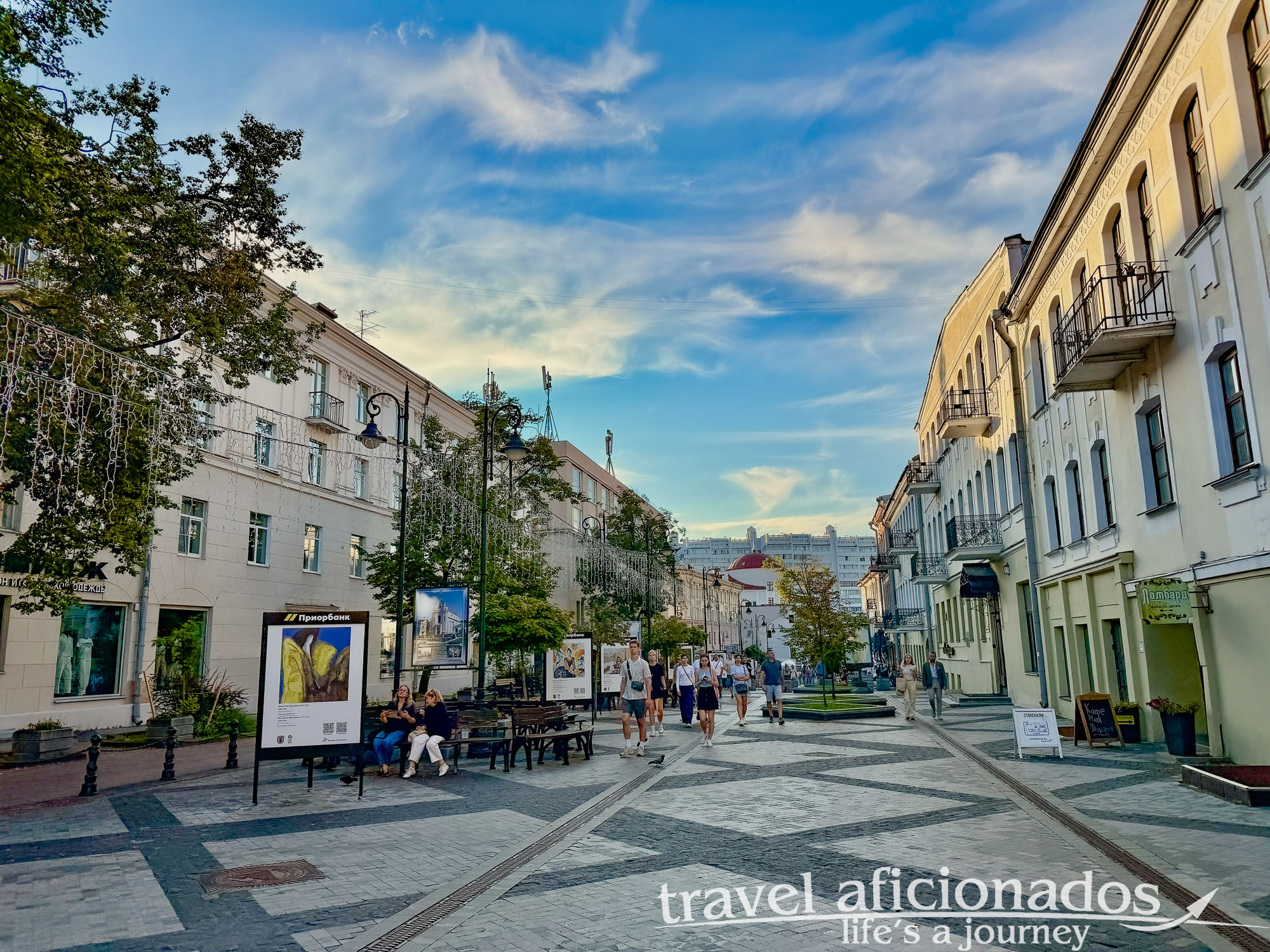
Historic Center of Minsk- Upper town
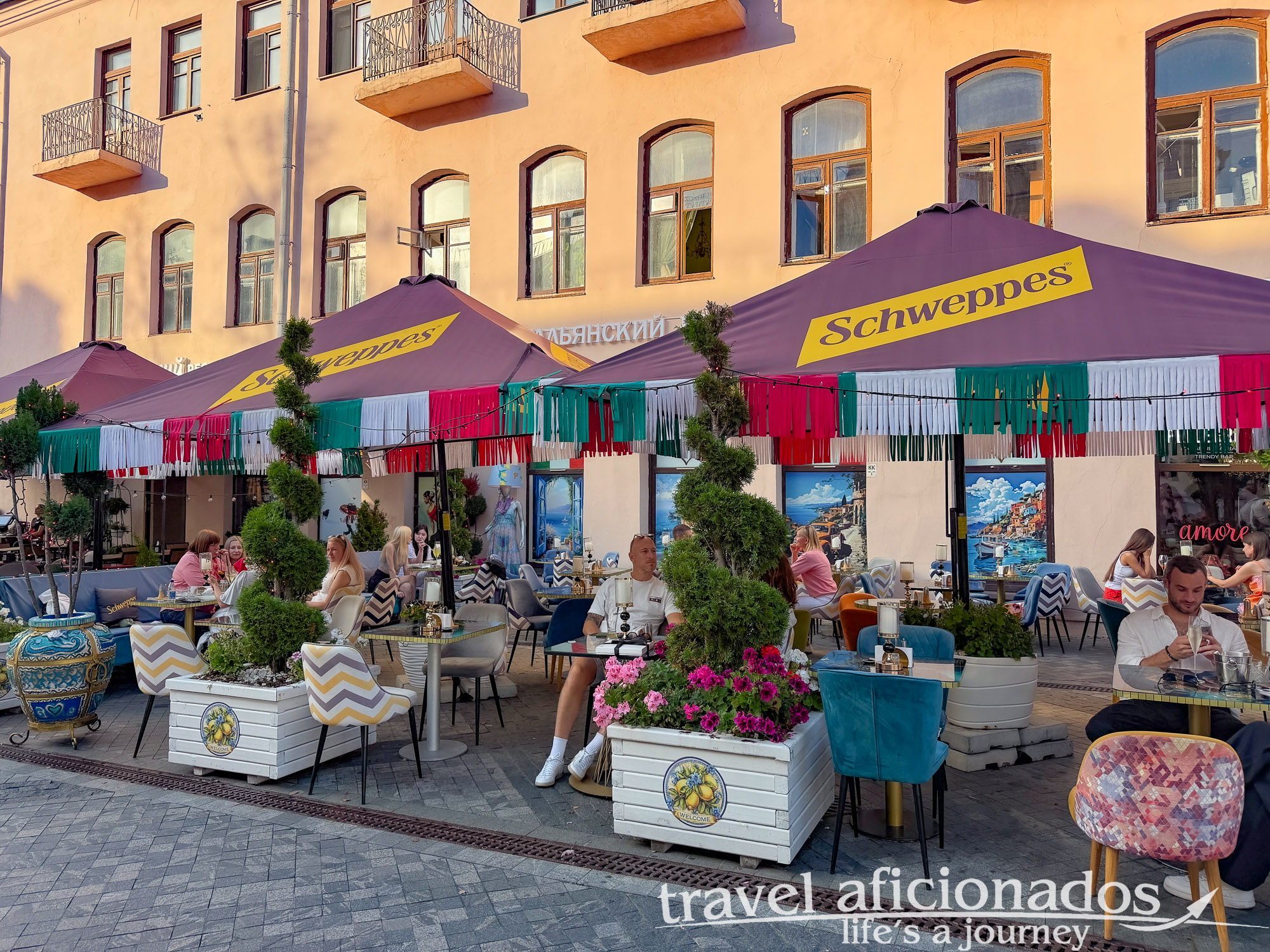
Historic Center of Minsk- Upper town
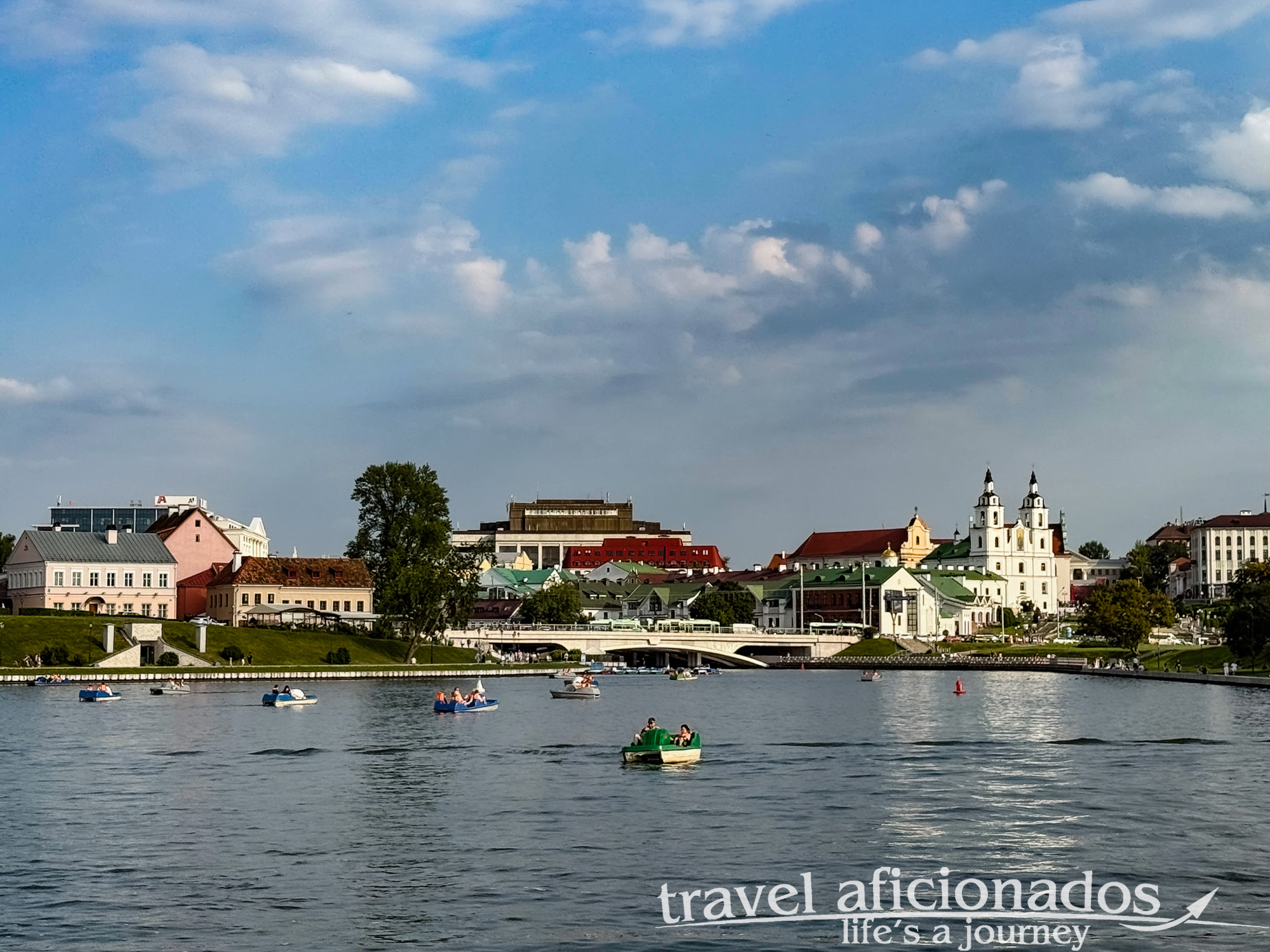
View of historic Center of Minsk- Upper town
I also liked the Hotel Victoria near the lake, but it was a bit too far from the center. Changing hotels was not easy, as budget options were fully booked. I ended up grabbing the last room at the Imperial Palace Hotel—a luxury suite for 120€, it came with a strip club on the top floor, which I never got to know.
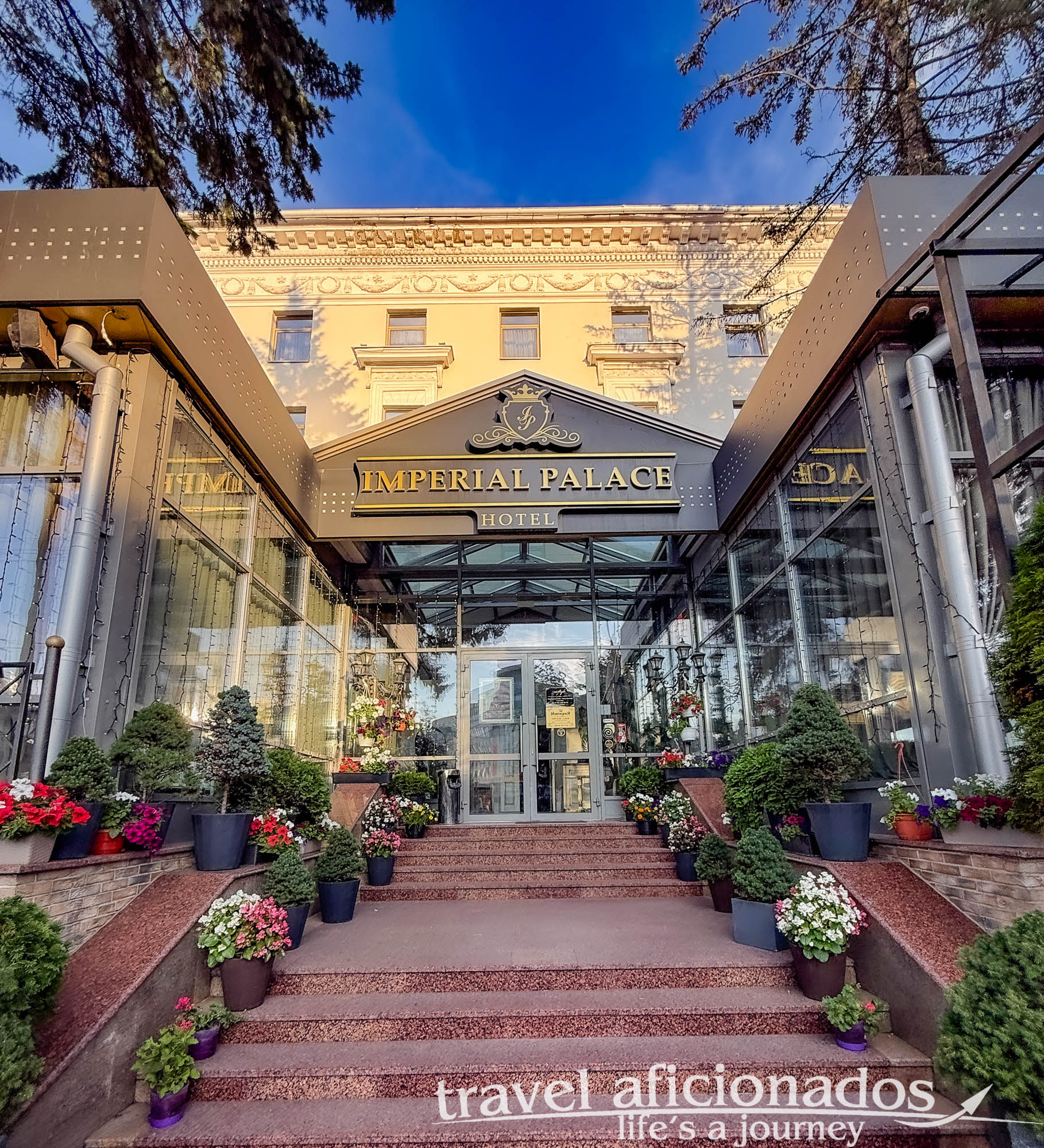
My second hotel- Imperial Palace Hotel
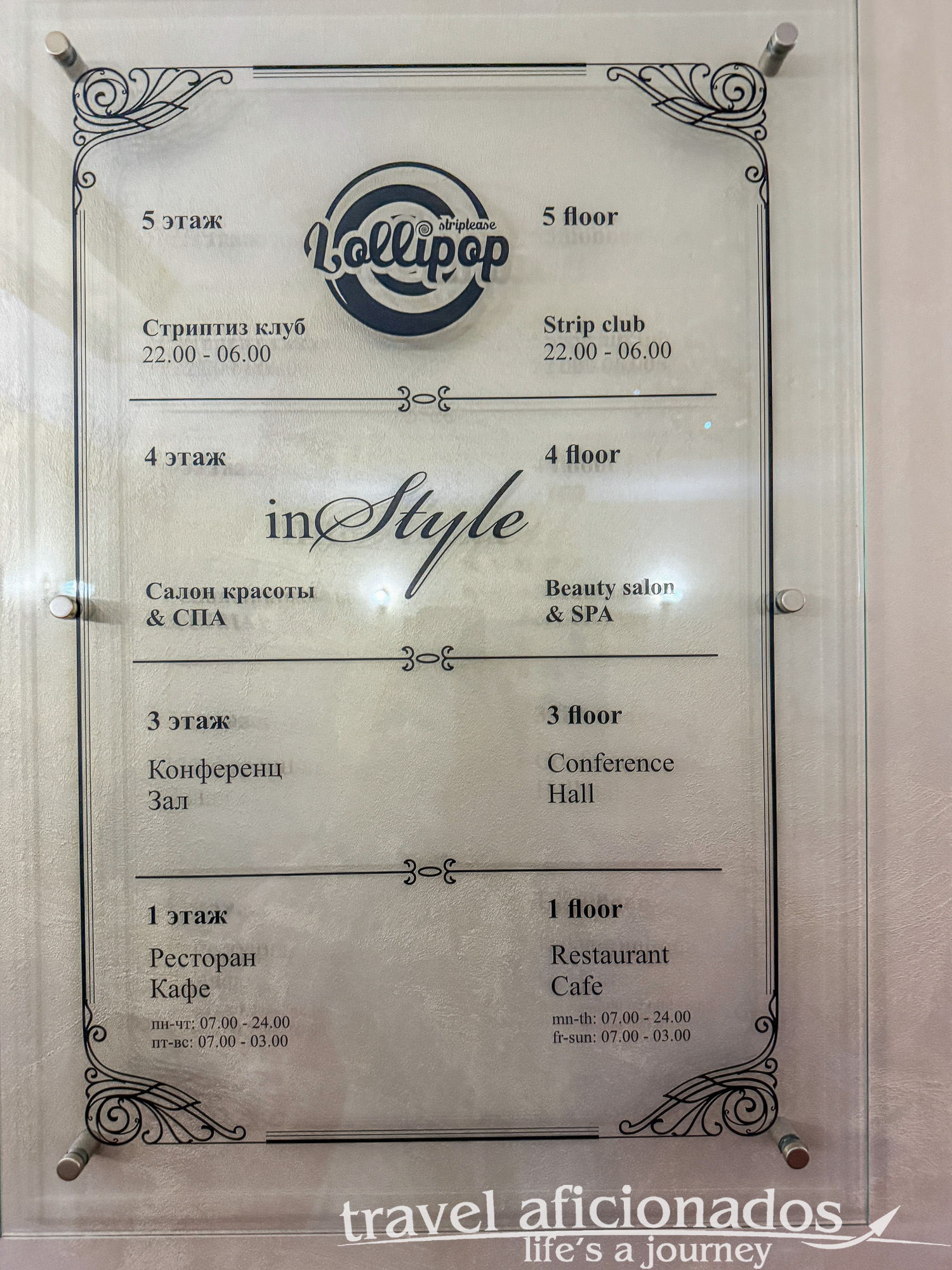
5 * Hotel with a strip club
Museums and Wartime Memory
My feet were getting sore, but I felt I could not leave Minsk without visiting the National Art Museum, which proved quite interesting. However, the Museum of History and Folklore felt like a waste of time, overloaded with dusty displays. Athough I heard a new exhibit space is currently being planned.
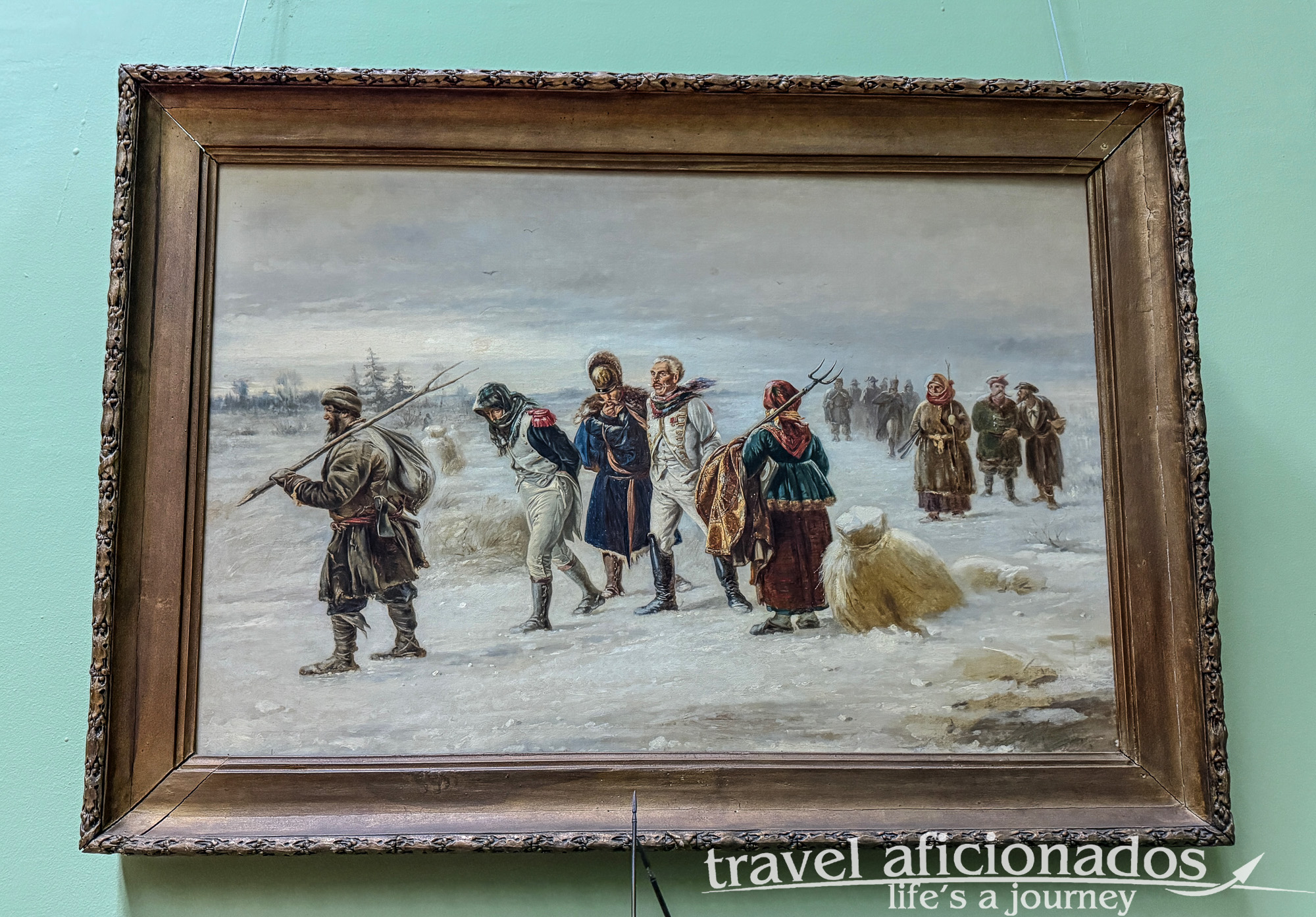
National Art Museum
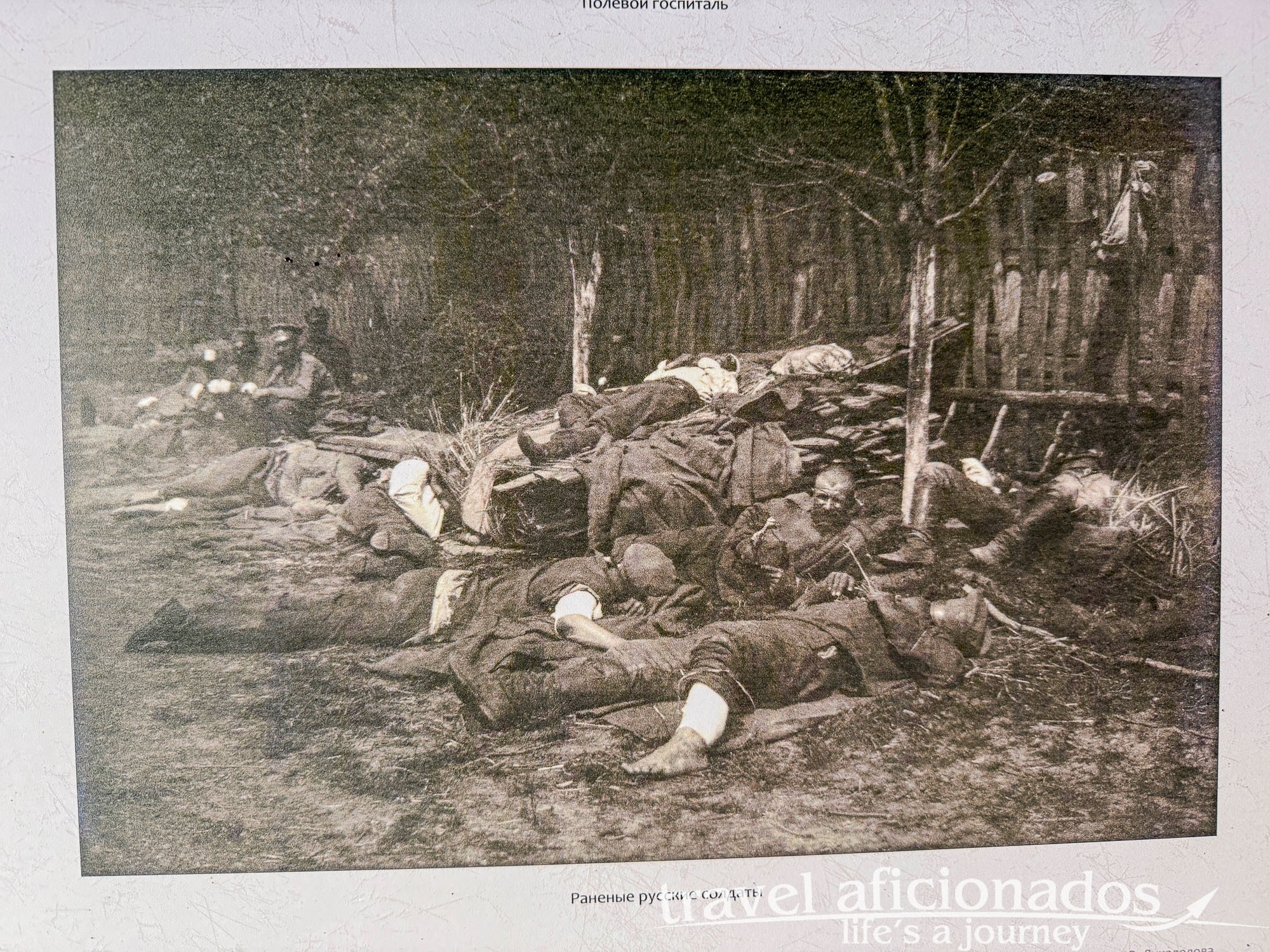
shocking photos of wounded and dead soldiers Battle of
A special exhibit in this museum brought to mind the dark legacy left by Germany and Austria in this region: powerful exhibit images from World War I battles. The described the unbearable suffering, especially by gravely wounded soldiers receiving no help because medical staff could not cope with the sheer volume of casualties.
Revisiting the Past: The Great Patriotic War Museum and Memorial
I visited this memorial during my trip back in 1983. Returning so many years later brought a deep wave of nostalgia. The grand monument itself remains unchanged, except for one striking difference: at night, brilliant white and red lights illuminate the structure, making it look far more impressive than it ever did in the daylight.
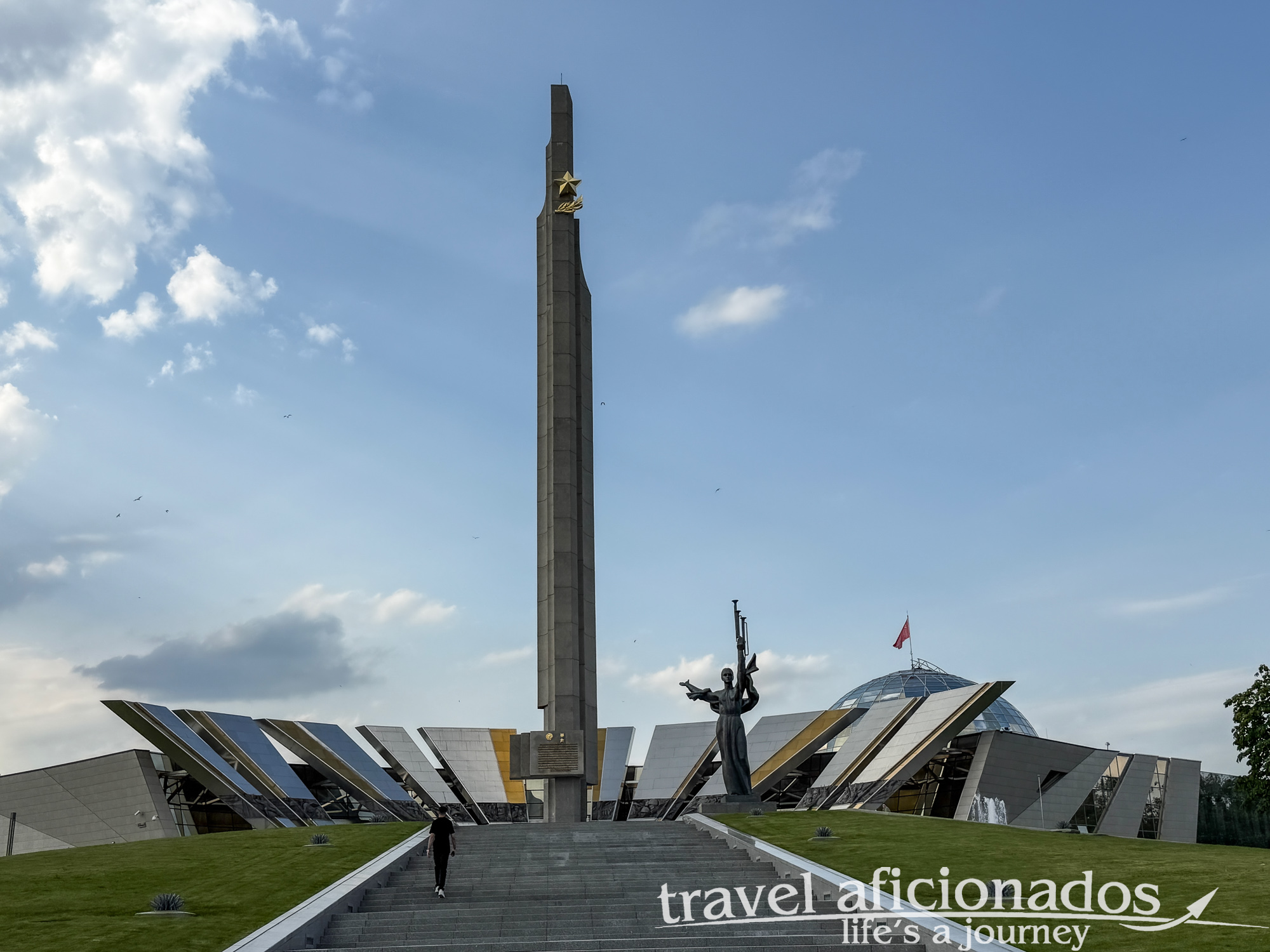
Inside the Great Patriotic War Museum
In X this brand new museum was opened. Its exhibits offer a comprehensive look at World War II. They detail the events leading up to the conflict, the war itself, and the post-war recovery of the former Soviet Union.
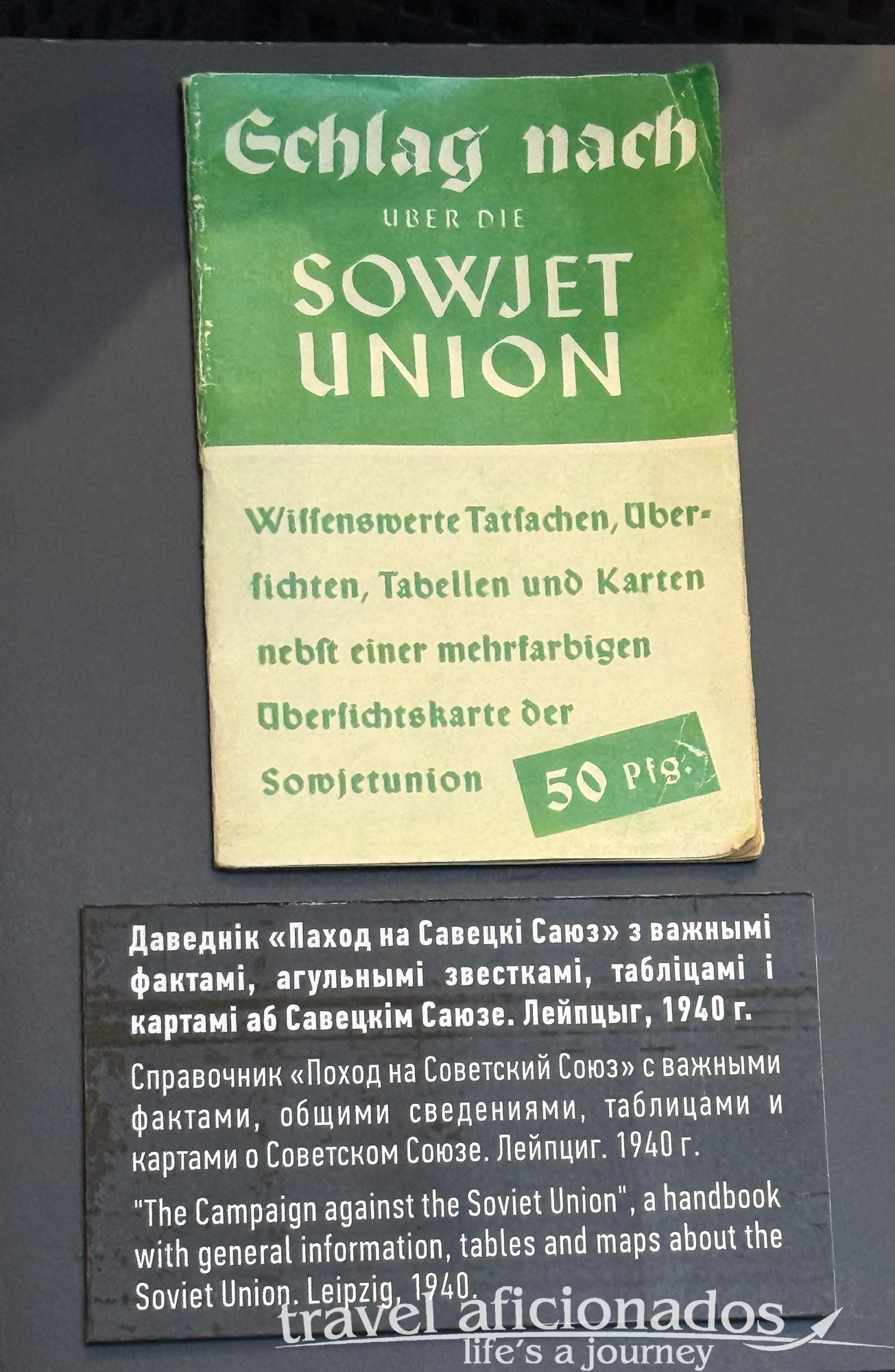
Items inside of Great Patriotic War Museum
However, taking it all in is a massive challenge.
By the time I reached the 12th audio-guide lecture, my brain was completely overloaded, and I started skipping sections. While I already knew much of the history, I had wished for a more approach, like testimonials—rather than just of facts.
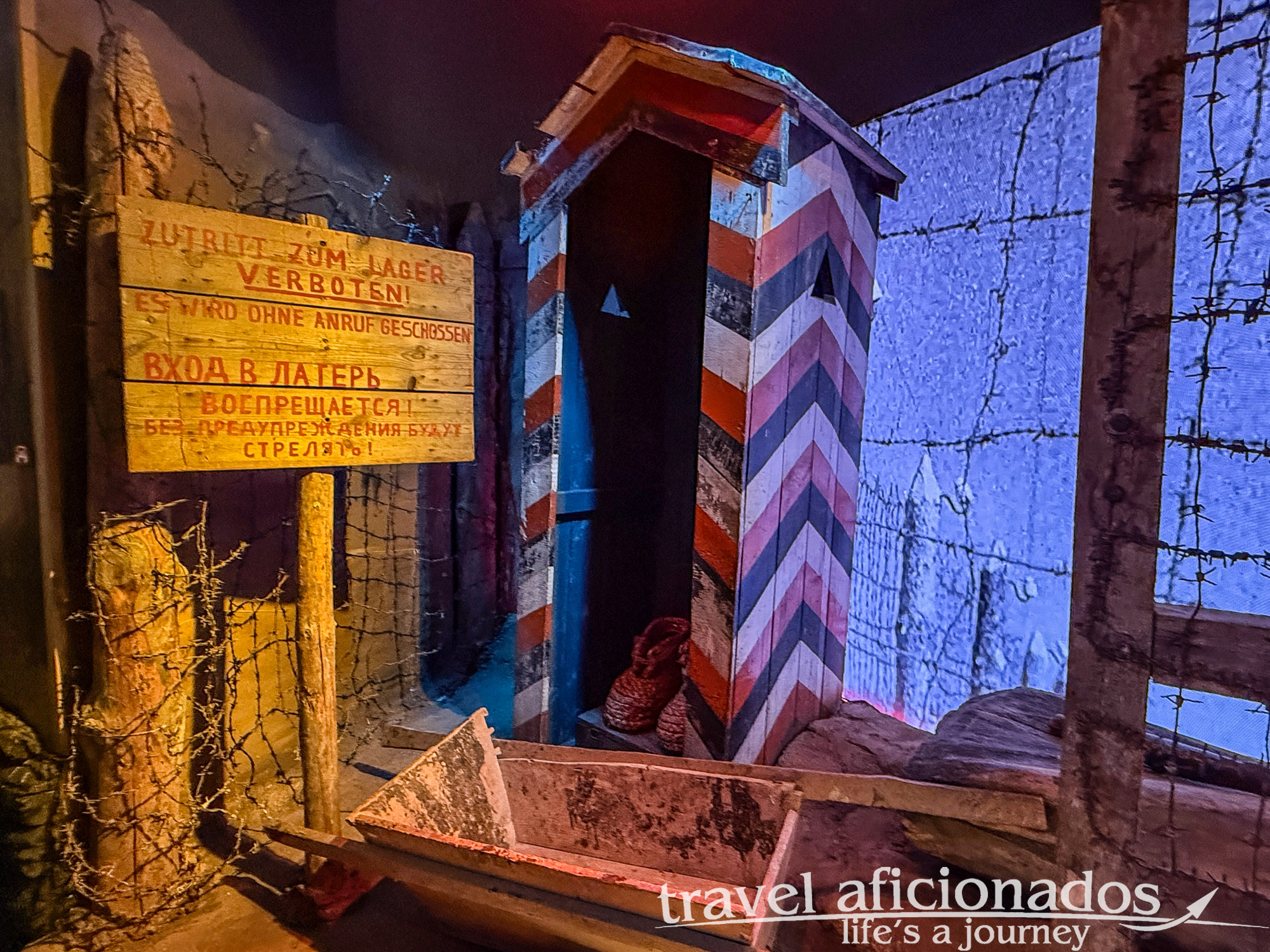
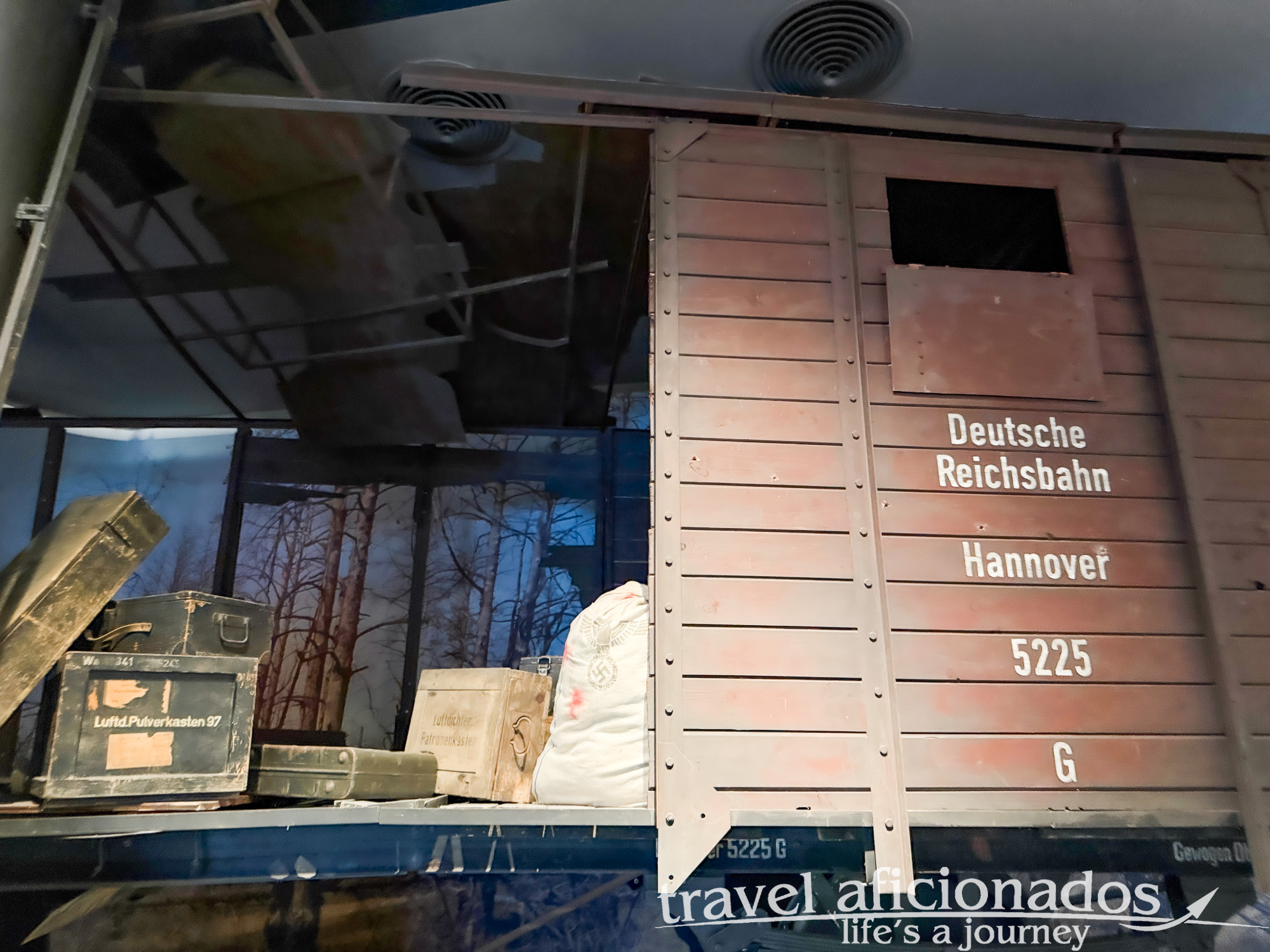
Highlights and Overload
The most interesting part of the museum I found the section that explained the buildup to the conflict, it featured fascinating everyday items from that era. Fans of military history will likely love the heavy weaponry display, which showcases massive tanks with detailed breakdowns of their calibers and mechanics.
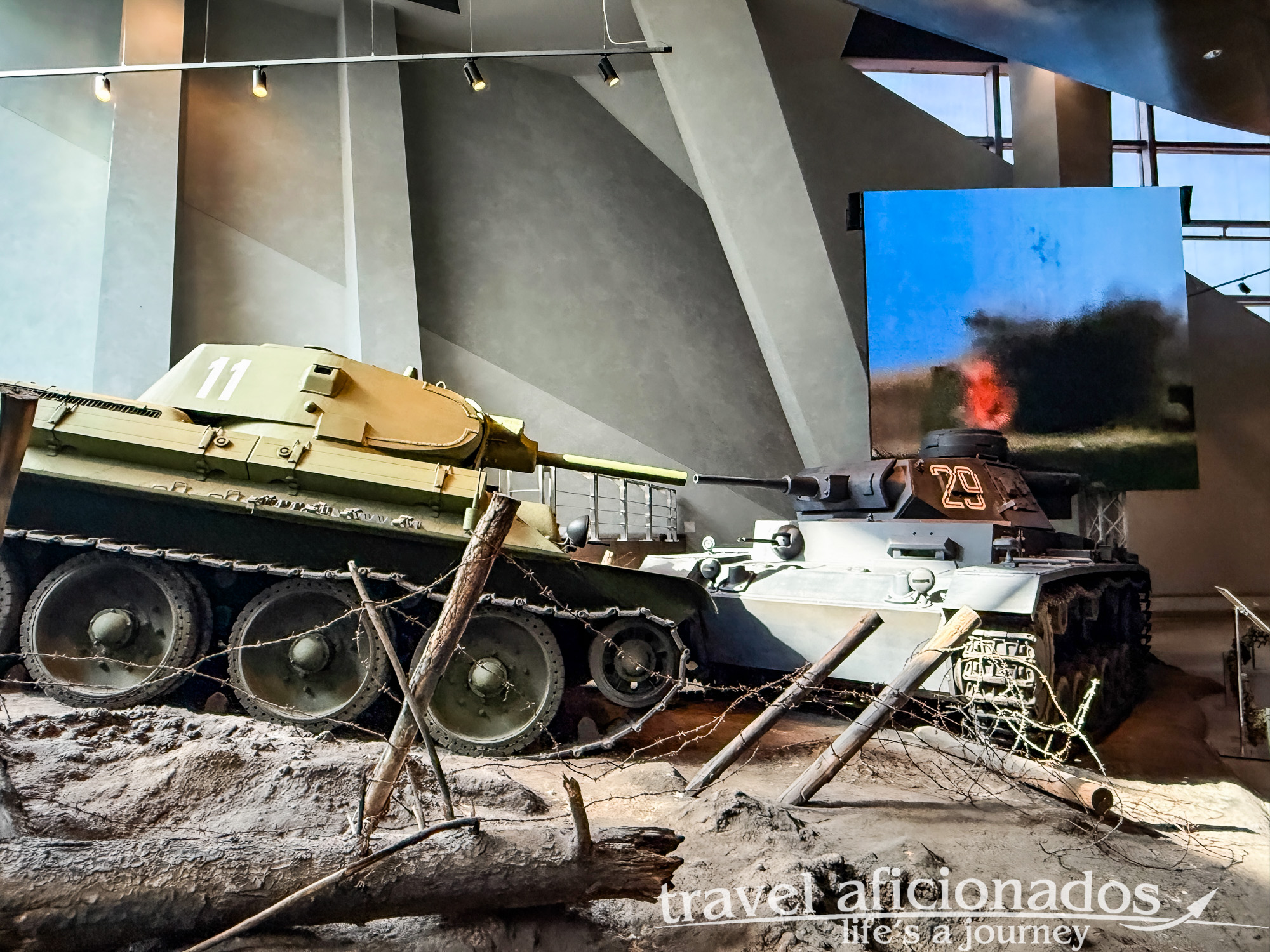
Yet, the sheer scale of the exhibits eventually numbed me. There must be tens of thousands of photographs of decorated soldiers. Behind every single portrait lay a tragic, heroic story, but the sheer volume of faces made it impossible to truly process the individual human cost. Nevertheless, it was a powerful, exhausting, and unforgettable journey back in time.
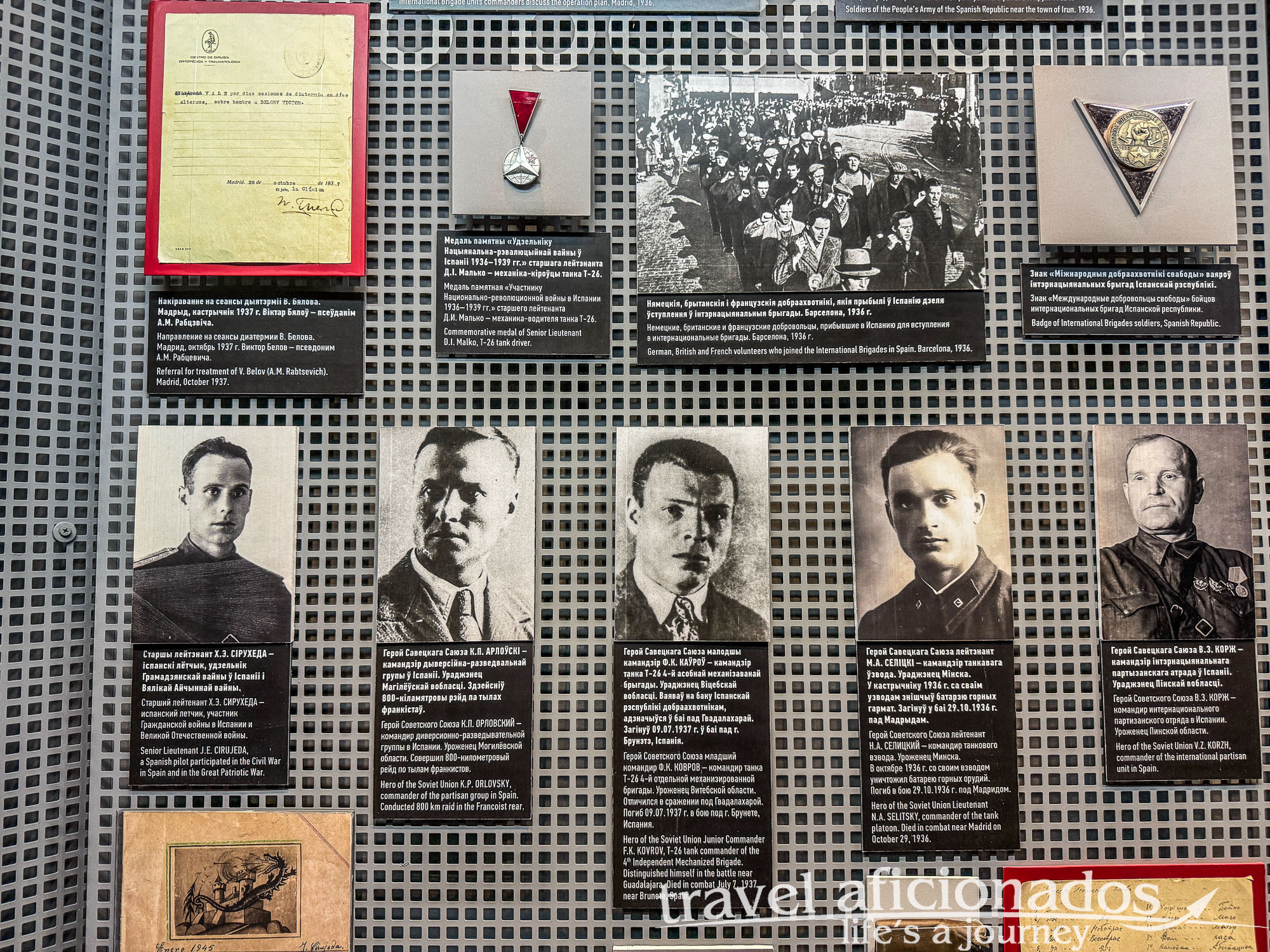
Thousands of small photos of war heroes
The museum shop offered everything, from camouflage uniform, to plastic rifle, some children were wilding them during their visit through the museum
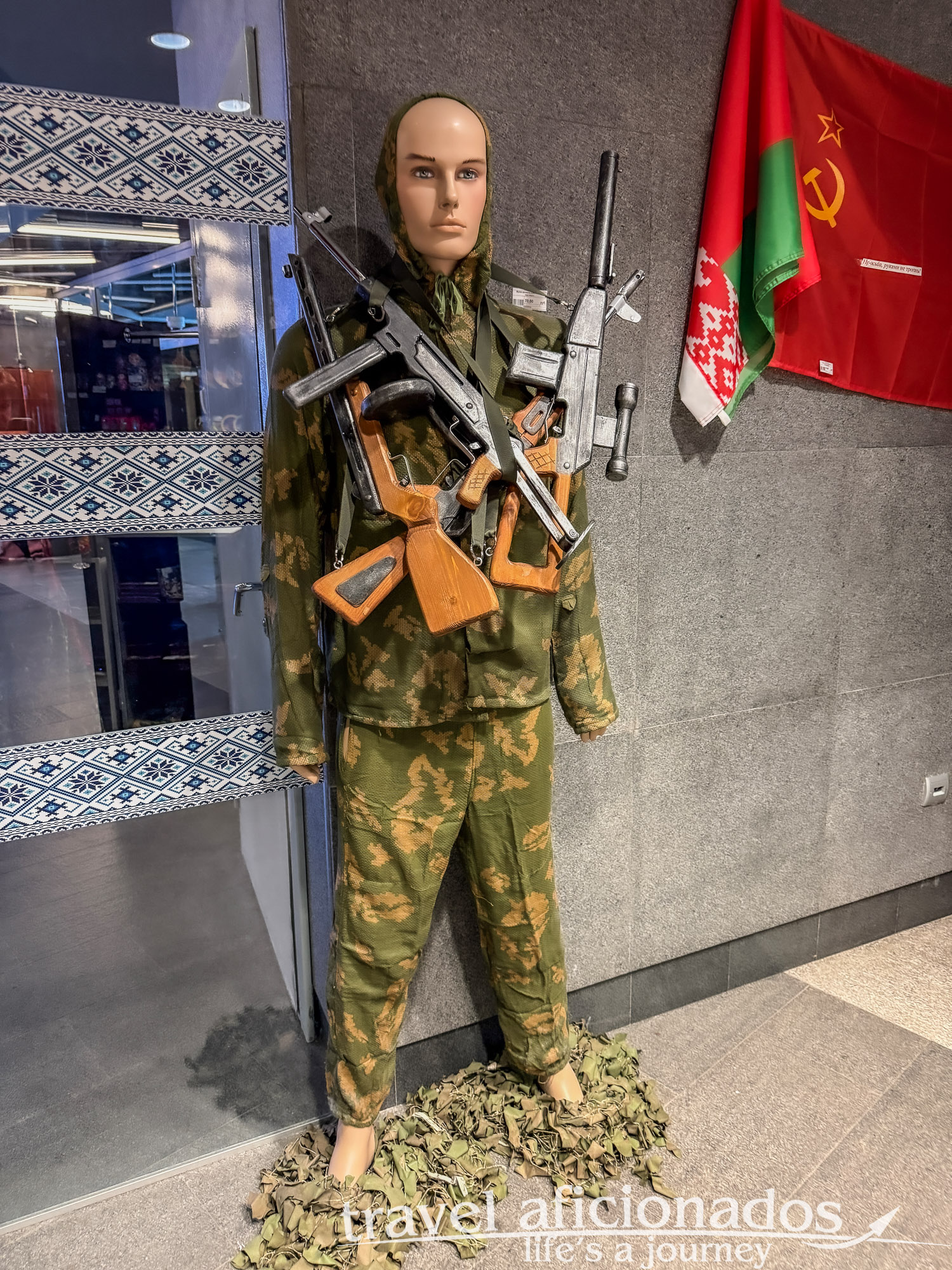
Museum shop of Museum of Great Patriotic War
Practicalities
Getting a local SIM card in Minsk takes minutes, all you need is your passport. To my surprise, foreign credit cards, ATMs (until I forget to retrieve it after withdrawing money), and all my apps all worked smoothly. Honestly, the daily impact of sanctions felt small until I tried to book a flight home online. Only Mac Donalds was missing – people in Minsk have to do with a copy Mak.by
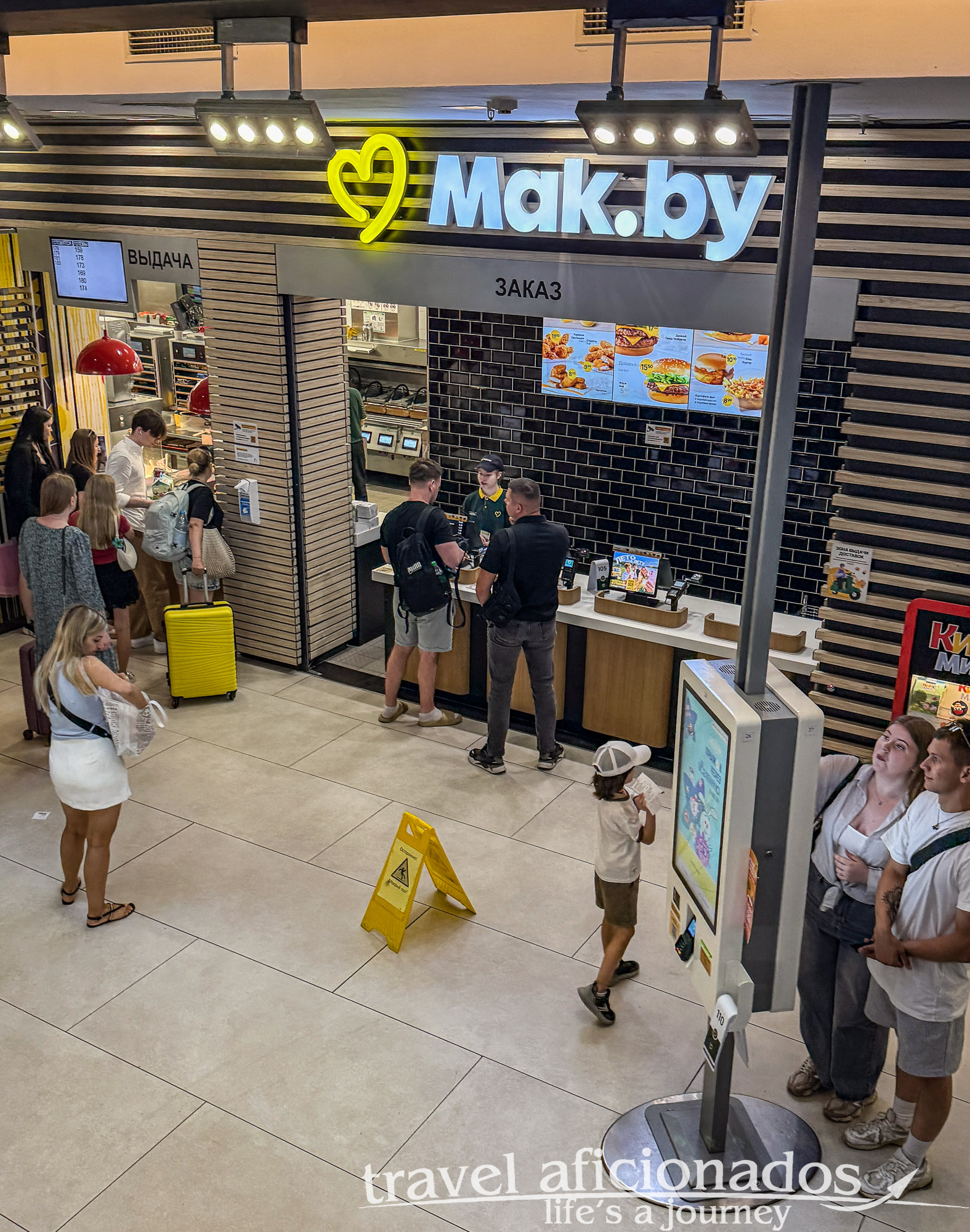
Copy of Mac Donalds
I had to take a long drive to the Minsk airport, buy a ticket at the desk in cash, and fly out four hours later. Global names like Burger King, Zara, and Swarovski are open, and international institutions like Raiffeisen Bank still operate locally.
Public transit is fast, clean, and very cheap. Rides are cheap, but you must use the app to book them. Arriving late without the ride app left us stranded until a kind driver waiting for someone else took pity and drove us to our hotel.
To make the switch even more appealing, electric car owners
I noticed quite a few cars with green license plates, electric cars. I was curious of course and inquired. The government encourages people to buy electric cars by offering big tax cut. To make the switch even more appealing their owners don’t pay for city parking and can skip traffic by driving right in the bus lanes.



Leave a Reply