
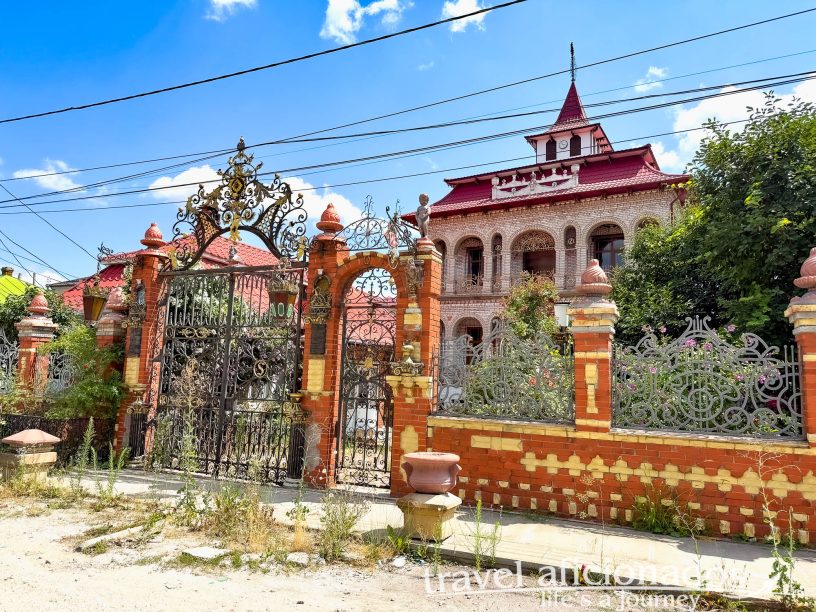

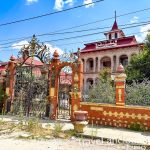
On Gypsy Hill in Soroca, high above the Dniester River, palace-like villas stack up, each wanting to be bigger and more eccentric than the other, most of them abandoned. Many were modelled after famous buildings like the White House or the Bolshoi Theater.
At first glance, it looks like a village of its own. There must be over hundreds of such villas; no one knows how many there are, since most were built illegally.
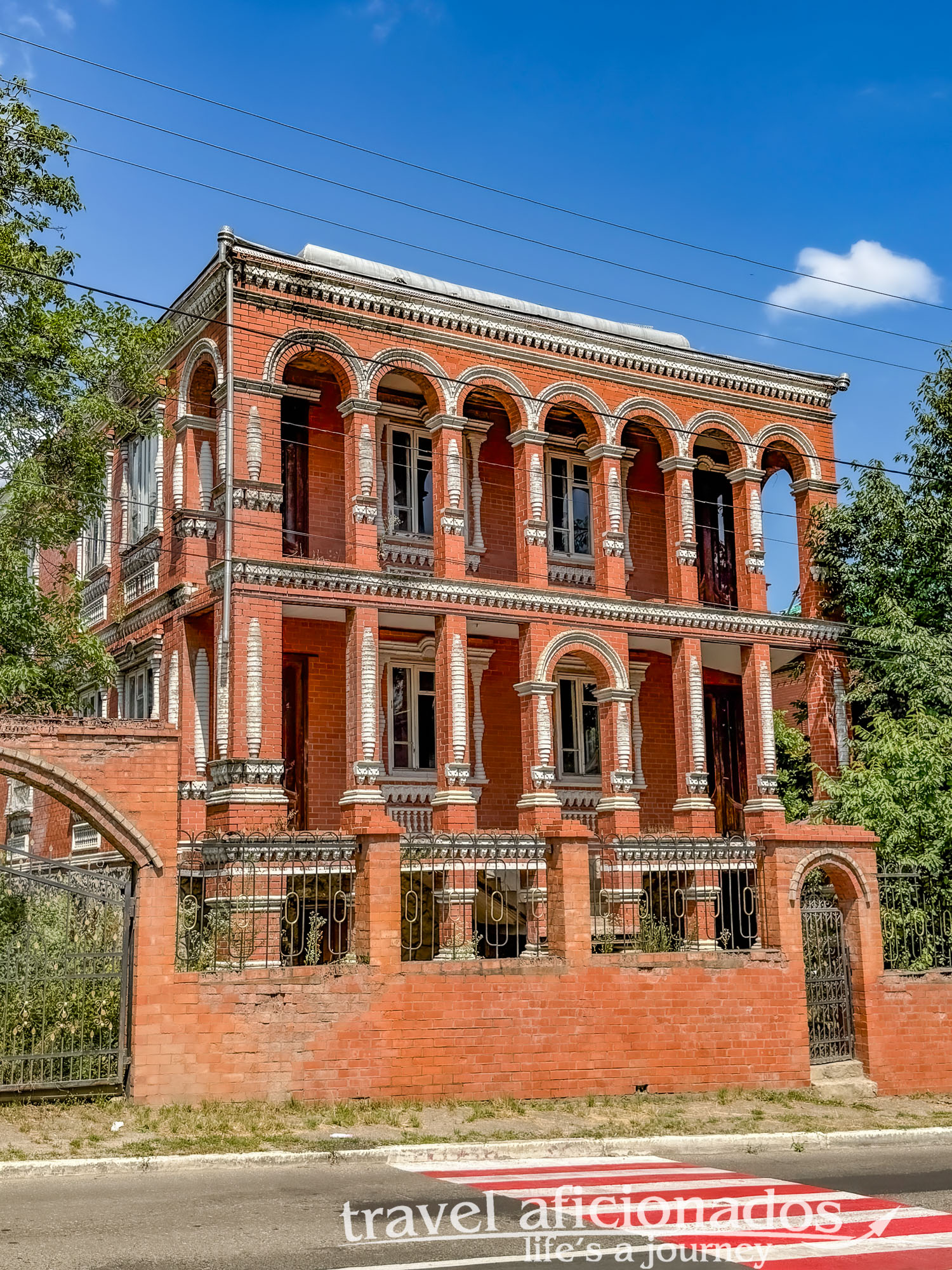
Roma mansion on gypsy hill in Soroca
During my last trip to Moldovia in 2024, I didn’t manage the three-hour journey from Chisinau to Soroca, but the images of the abandoned villas on Dealul Romilor, the Gypsy Hill, wouldn’t let me go.
With the Roma people making up nearly 30 percent of the local population, Soroca is widely recognized as the unofficial Roma capital of Moldova—and I knew I had to see it for myself.
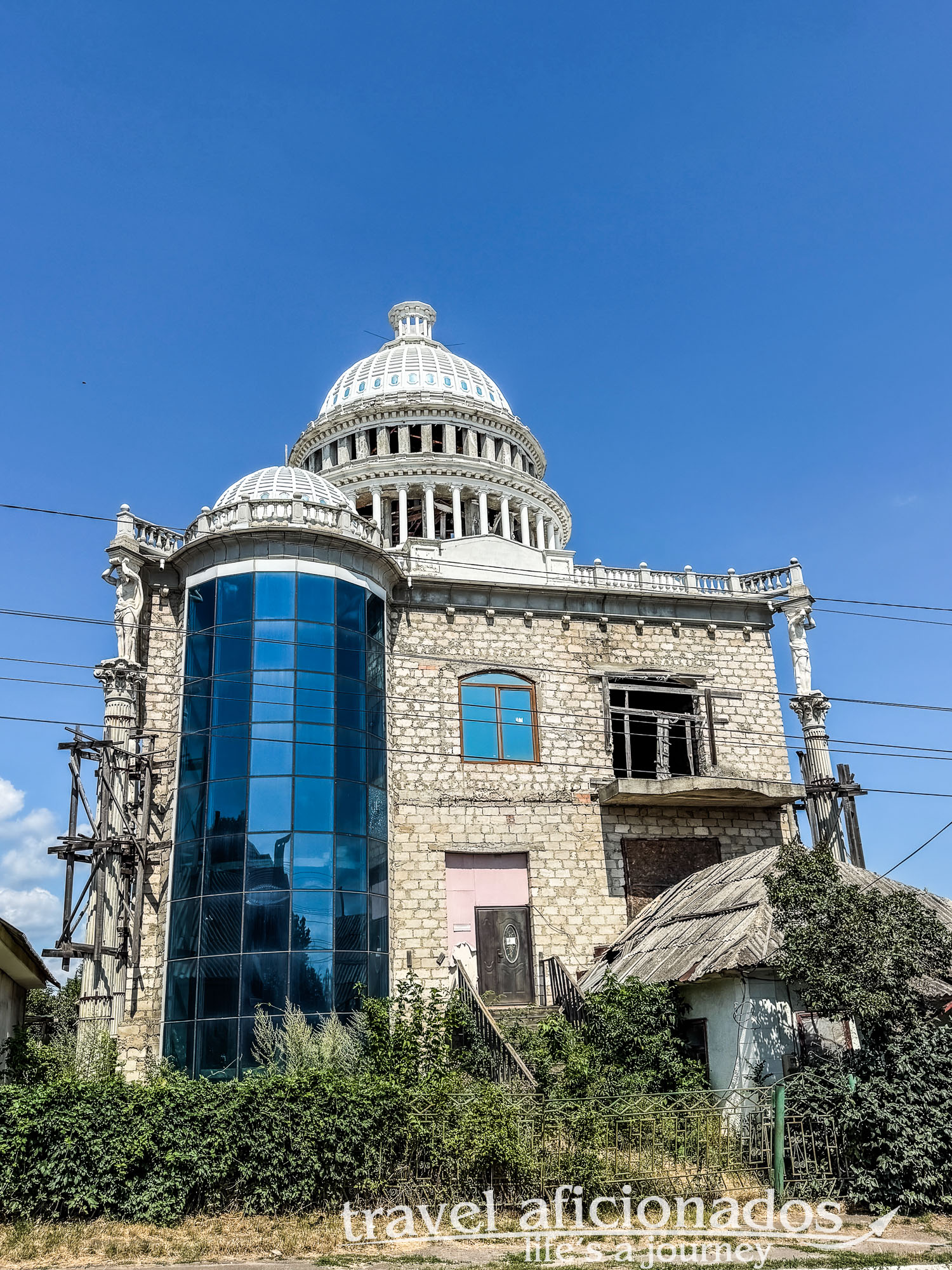
Abandoned Roma mansion in Soroca
Upgrade journey and eating my self sick
Getting there turned out to be an adventure in itself. Instead of navigating local buses, we managed to arrange a ride with Natalie’s brother-in-law. For €120, he agreed to drive us the entire way in his gigantic, ultra-modern BYD Hybrid. The car was absolutely packed with high-tech electronics, which he enthusiastically tested and tinkered with throughout the drive.
What I remember most about the trip are those endless fields with sunflowers.
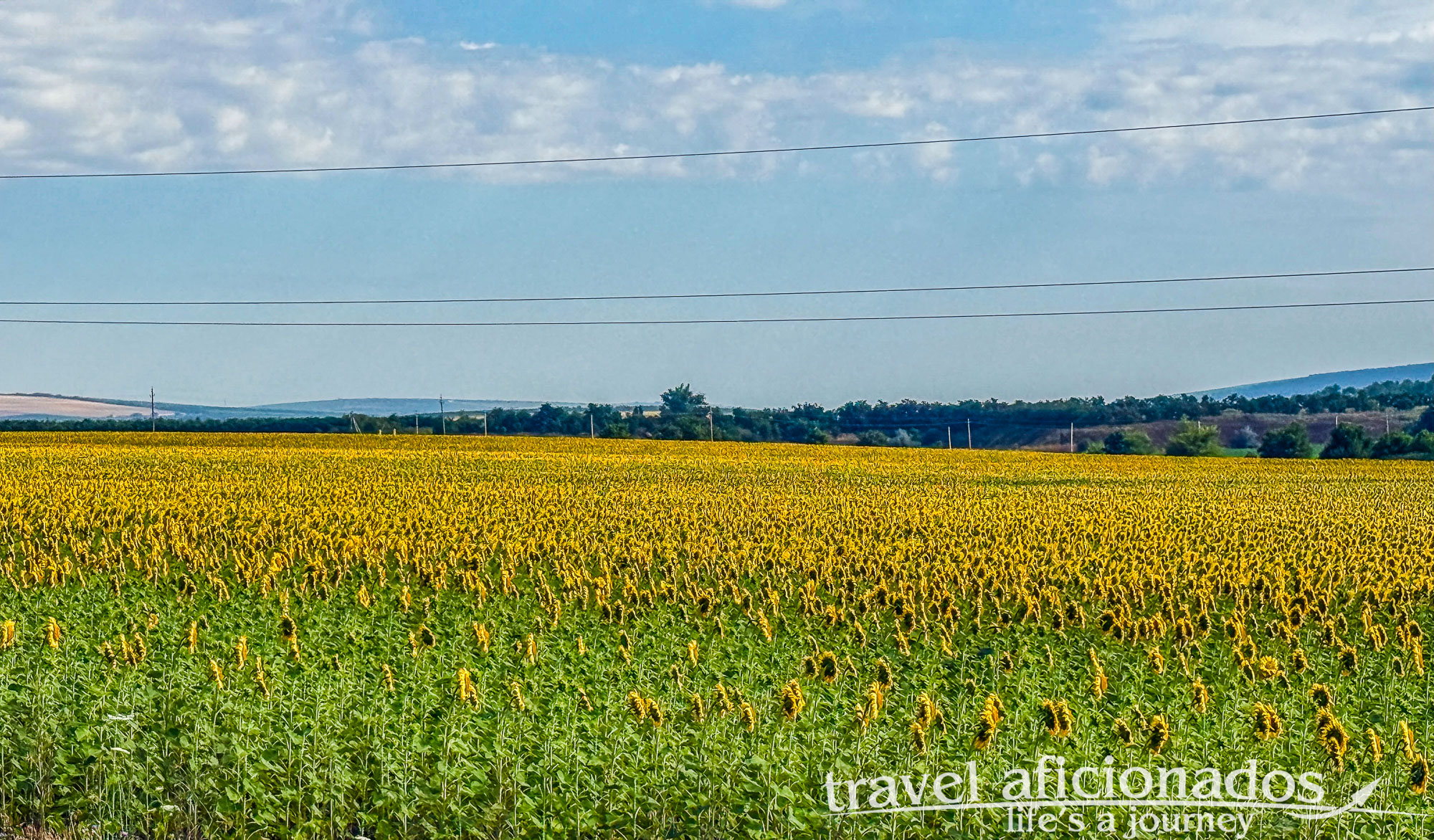
Endless fields of sunflowers on the road from Chisinau to Soroco
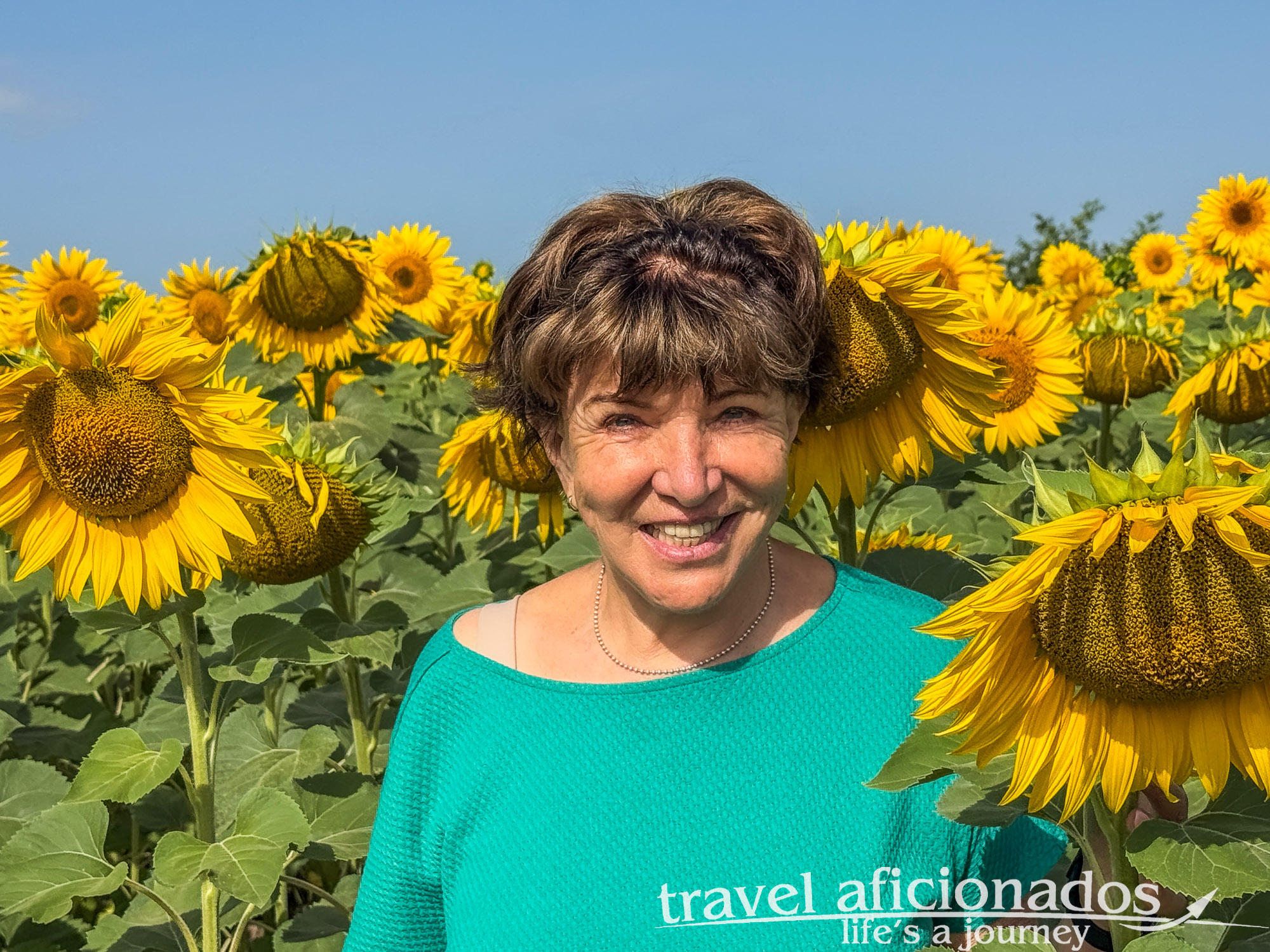
Happy in a sun flower field
Our first stop just at the southern entrance of the town was the Candle of Gratitude (Lumânarea Recunoștinței), a striking monument perched on a steep hill. To reach the base of this 30-meter-tall stone tower, visitors usually tackle a grueling climb of over 600 steps for a panoramic view over the winding Dniester River and the quiet Ukrainian villages resting just across the border.
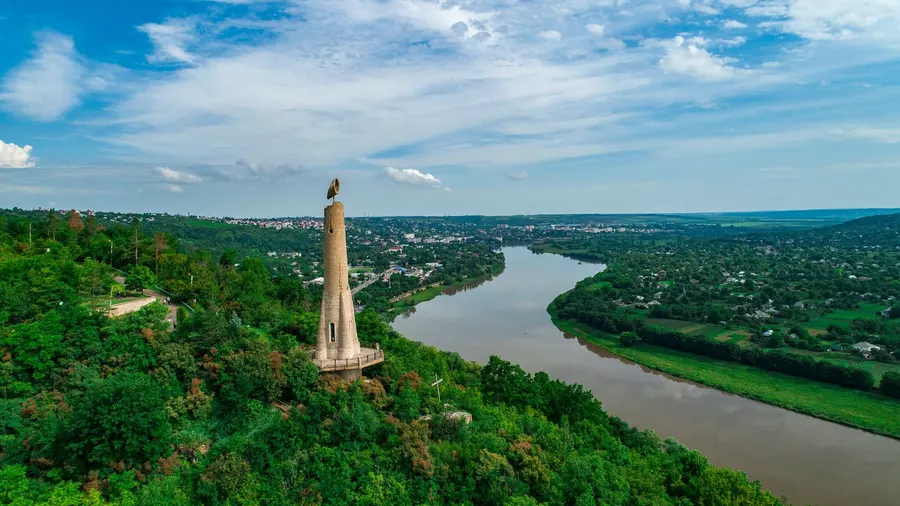
Candle of Gratitude (Lumânarea Recunoștinței)
Frankly, I didn’t climb a single one of those stairs. Ivan had to drive me straight to the top because I spent the entire morning in an absolutely miserable state.
During the road trip, I had made the questionable culinary decision of stuffing myself with fresh cherries, washing them down with a massive glass of hot milk at a roadside rest stop. As it turns out, that specific combination is a recipe for instant disaster. By the time we arrived, I was so incredibly sick that I could barely even stand, let alone conquer a mountain of steps.
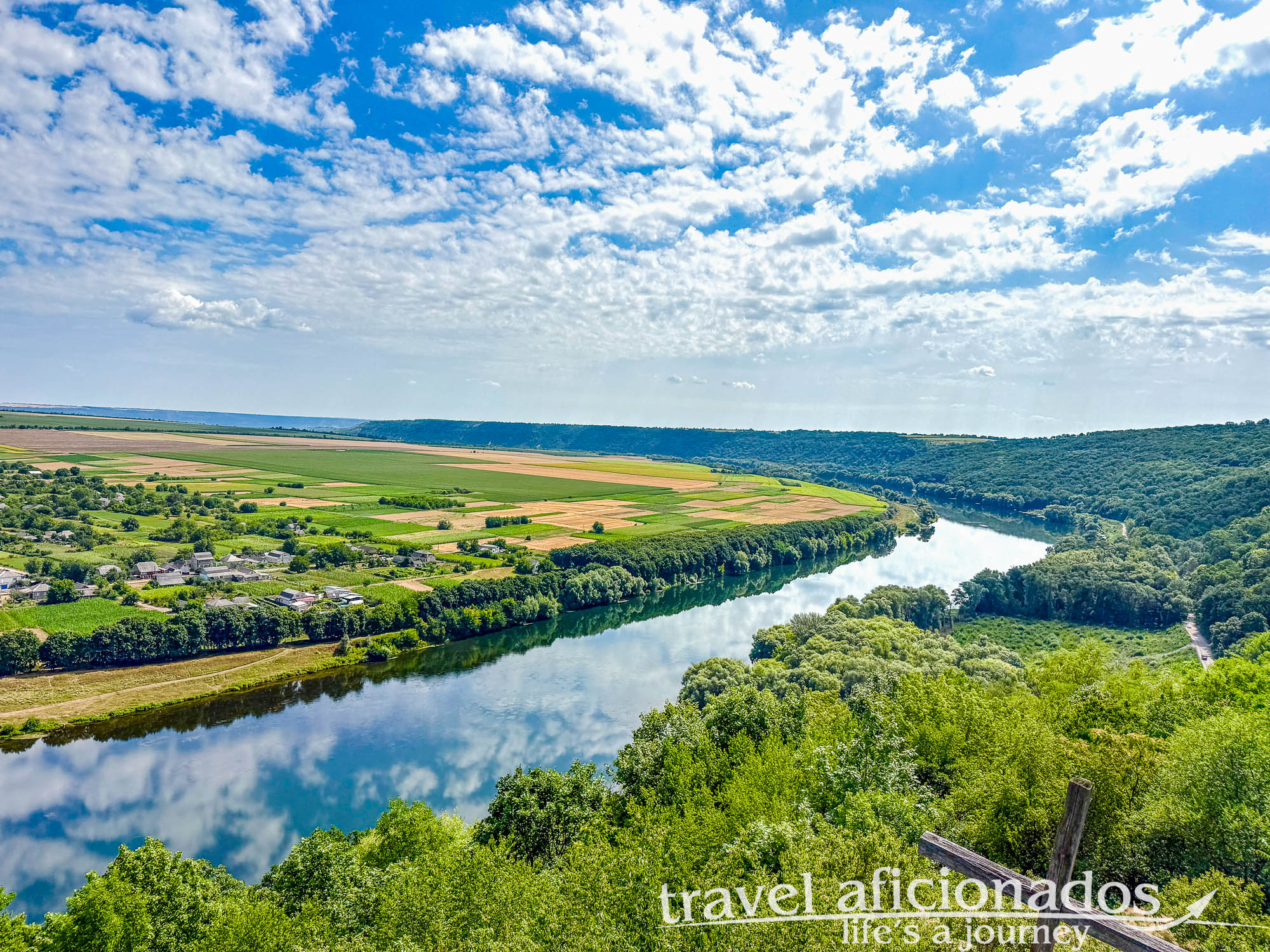
View from Candle of Gratitude (Lumânarea Recunoștinței)
The Secret History of Gypsy Hill
With my stomach still revolting, we headed into the heart of the community.
To understand these gigantic mansions, you have to look back to the Soviet era. The immense wealth of these Roma families began under the USSR, where many worked factory jobs while secretly running highly lucrative, underground trade networks on the side.
When Perestroika brought economic liberalization, these families had a perfect head-start. They had already established trade routes that crossed borders.
Particularly successful were those who produced lingerie in small family businesses, using cotton imported from Uzbekistan.
But today, these ostentatious buildings tell a different story. Walking around we noticed many were never completed. Partly, the money ran out at some point; partly, they were deliberately left unfinished to avoid paying taxes. Most stand empty and are decaying. Nature has already completely reclaimed some buildings.
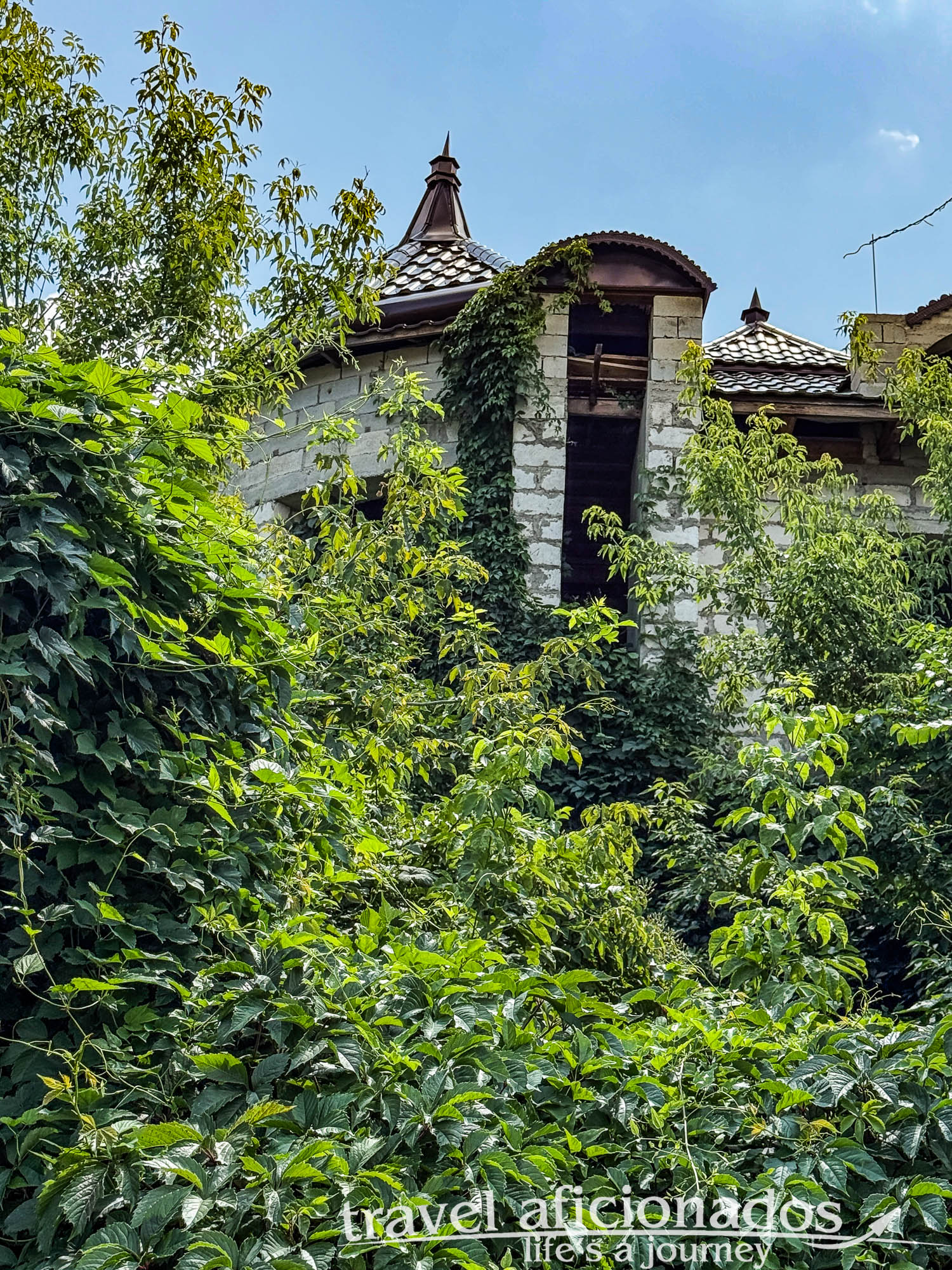
Mansion eaten up by nature
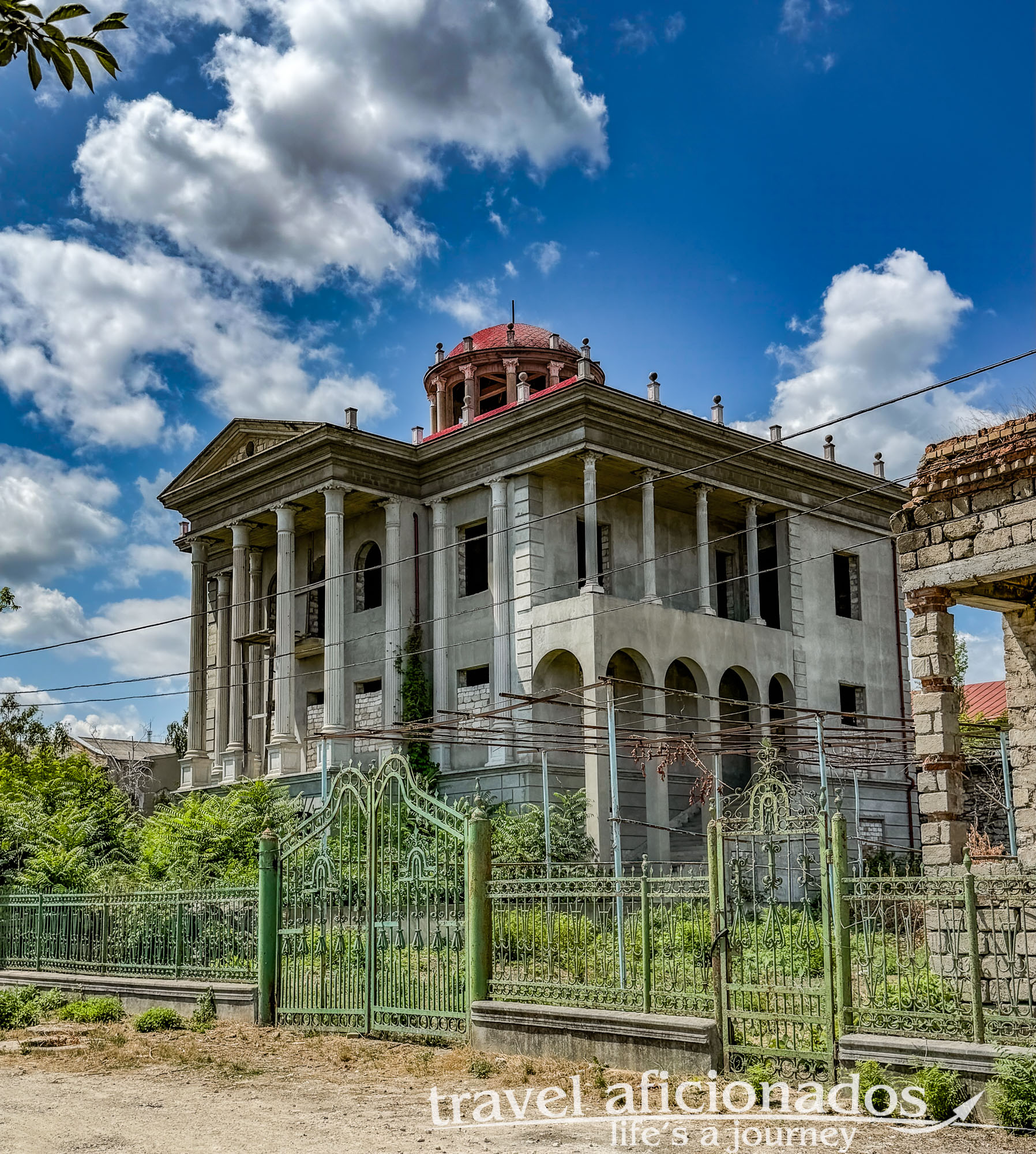
Abandoned Roma mansion in Soroca
Exploring Soroca with Ivan a Roma-activist
Alone, I probably would have never truly understood this place. I was very lucky to wander through the mostly abandoned alleys between the villas together with Ivan Duminica, a Roma historian and activist. Ivan is a college friend of my friend Natalie in Chisinau.
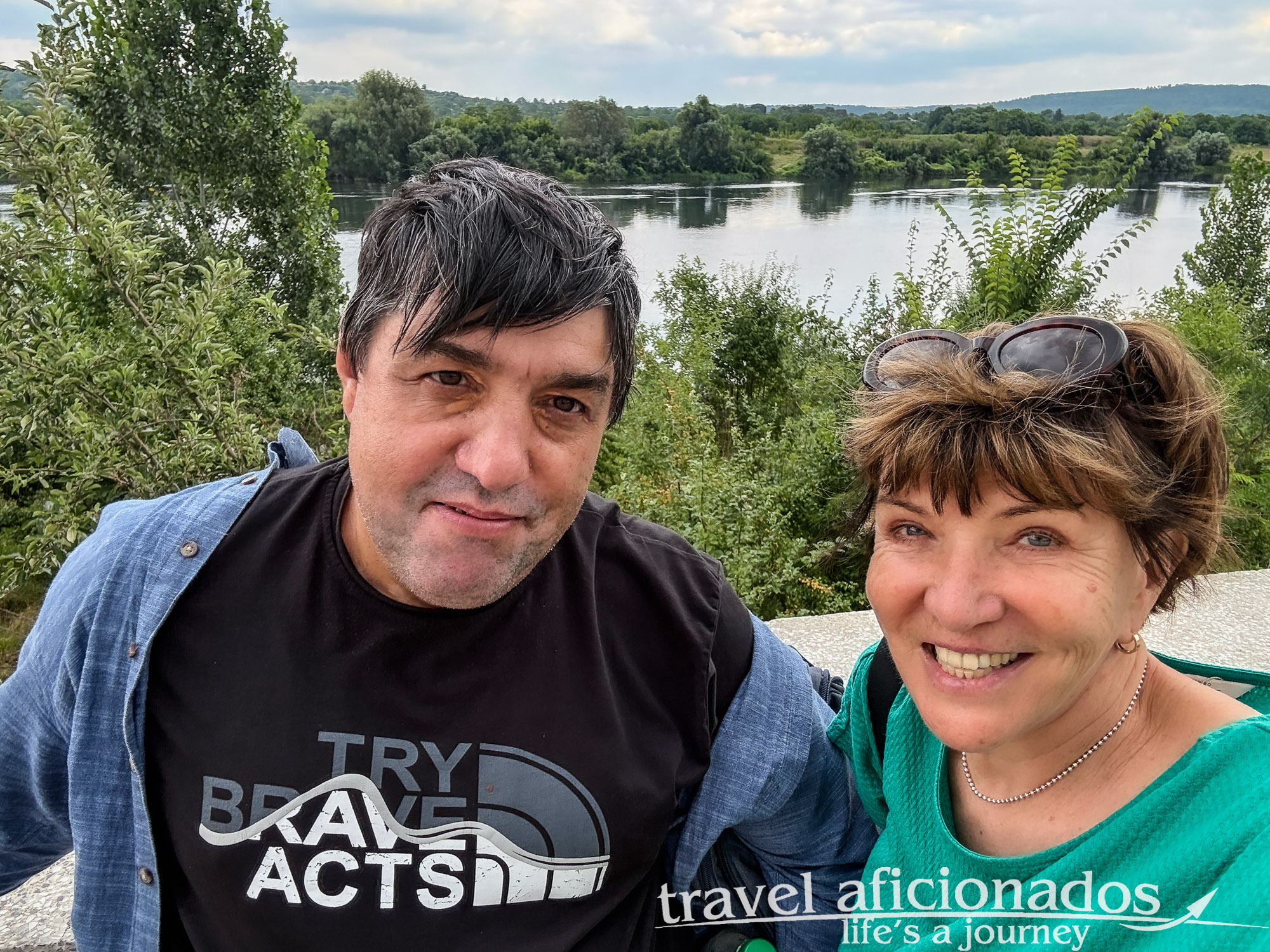
Ivan who took me around
Thanks to him, a collection of spectacular houses became a story about people, history, and identity. Thus, I did not only learn the history of the Roma Hill first-hand from an expert, but it also resulted in some conversations with the few residents who live in these mostly abandoned, magnificent buildings. What stayed in my memory the most, however, were not the palaces, but the encounters.
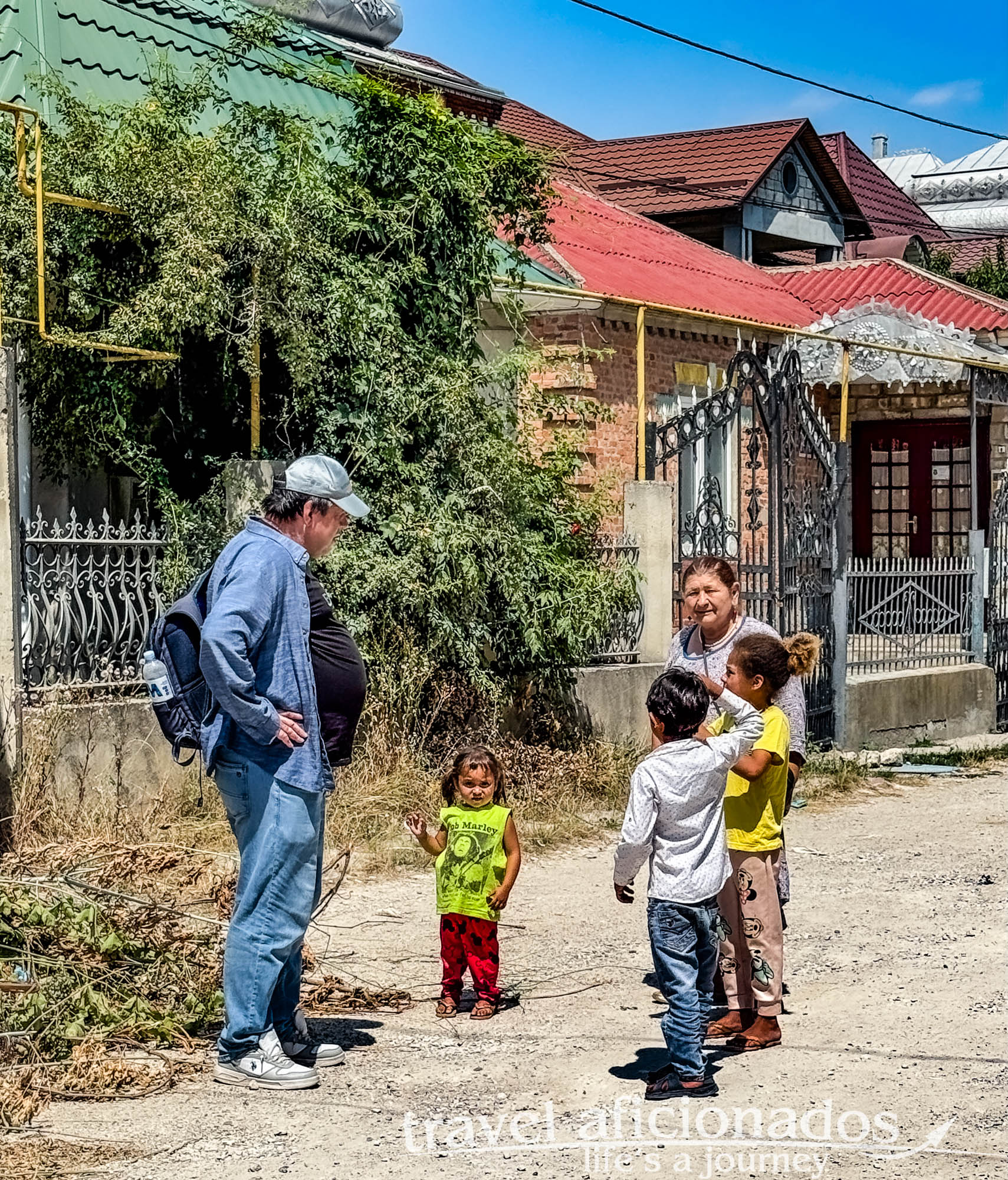
Random encounters on deserted streets
Our first deep interaction was with an elderly woman whose beautifully tended garden caught my eye before she even approached us. After a warm conversation among her flowers, she invited us inside for tea. She shared that her husband had passed away completely unexpectedly just a short time before. As she pulled out old family photo albums—showing us stunning portraits of her daughters from the Soviet era—what started as a casual afternoon stroll instantly transformed into a deeply moving, personal connection.
Maria shared with us that she talks to the photo of her daughter every day.
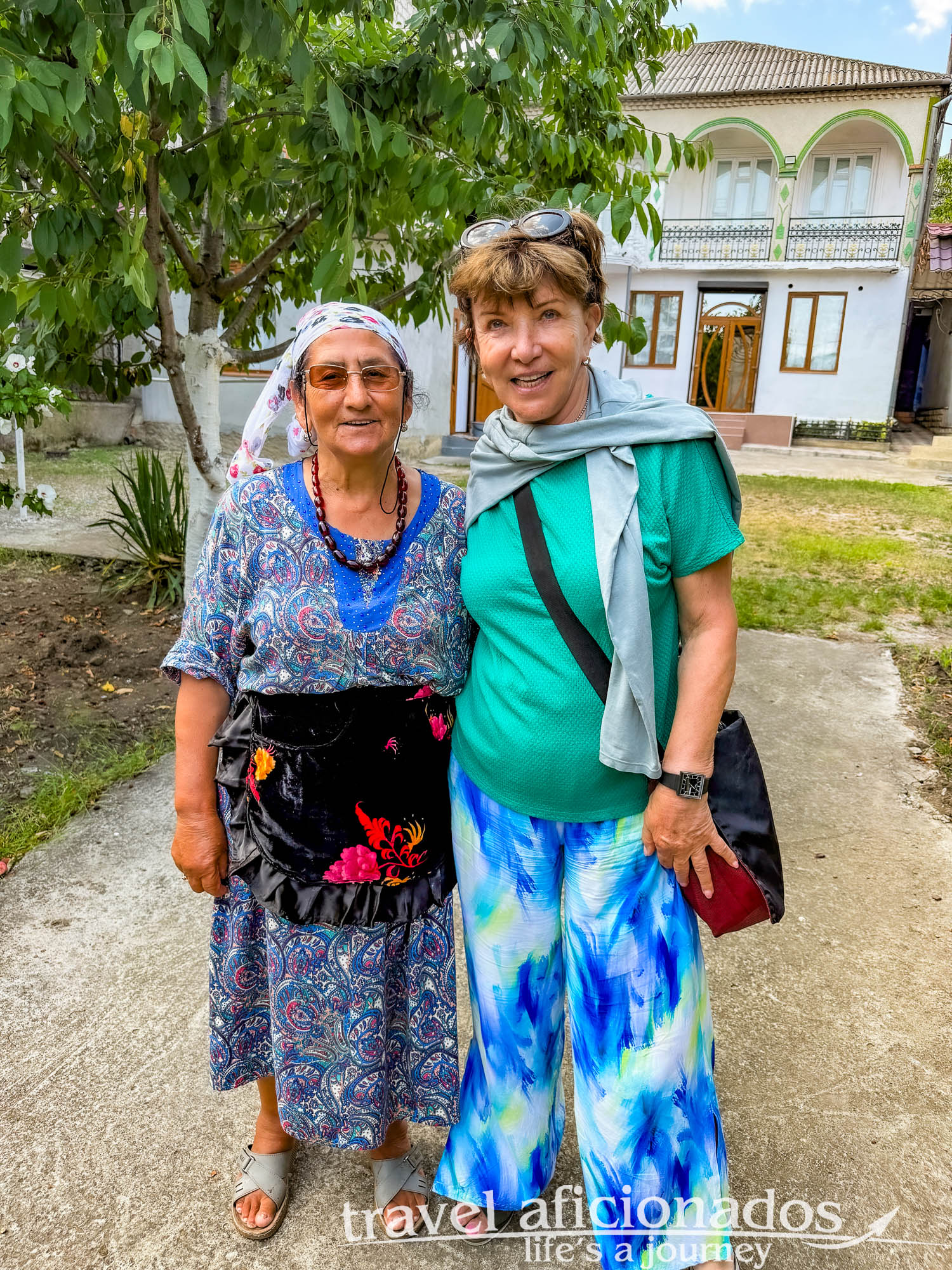
Maria inviting us into her home
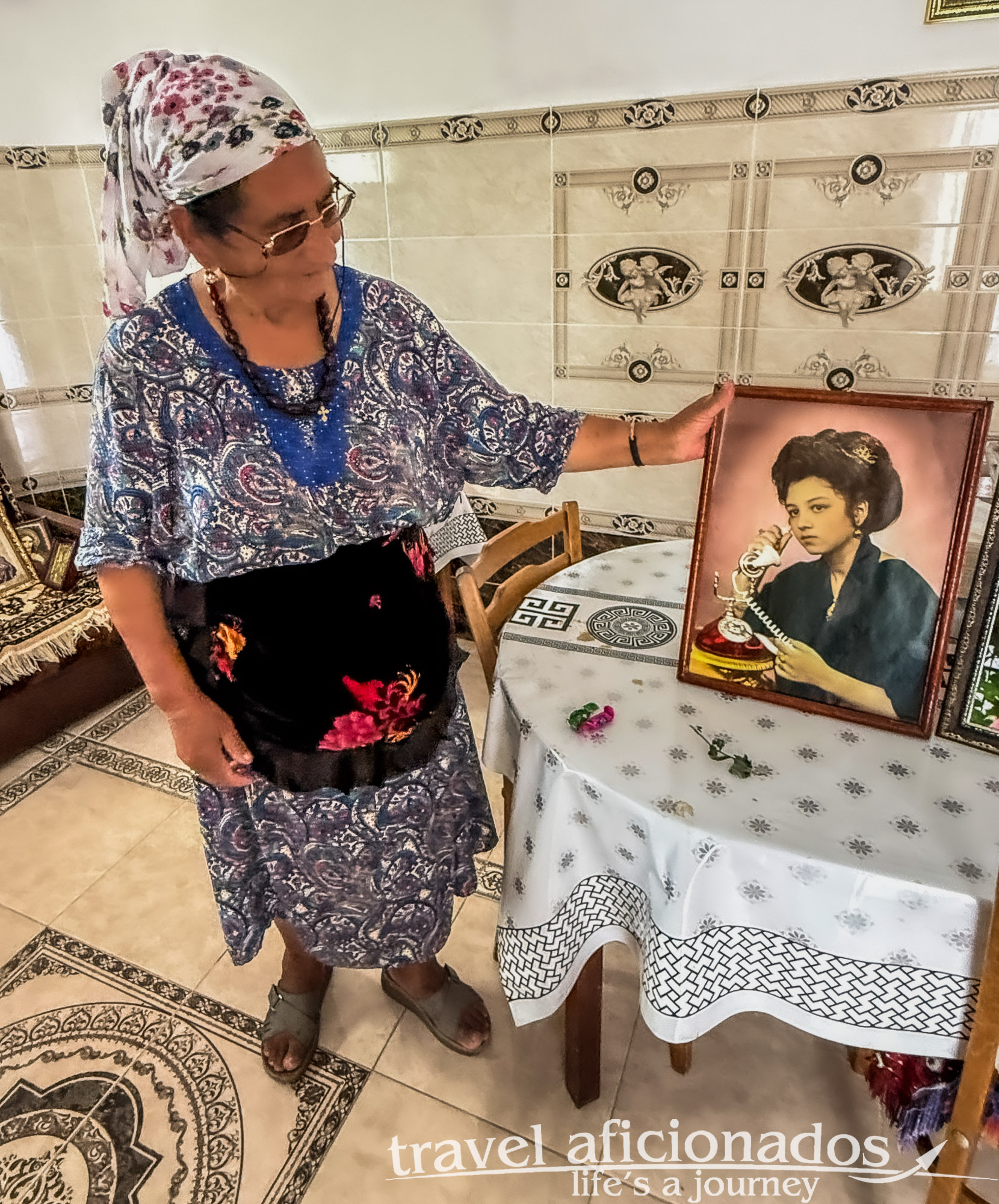
Maria showing the photos of her daughter taken during Soviet times
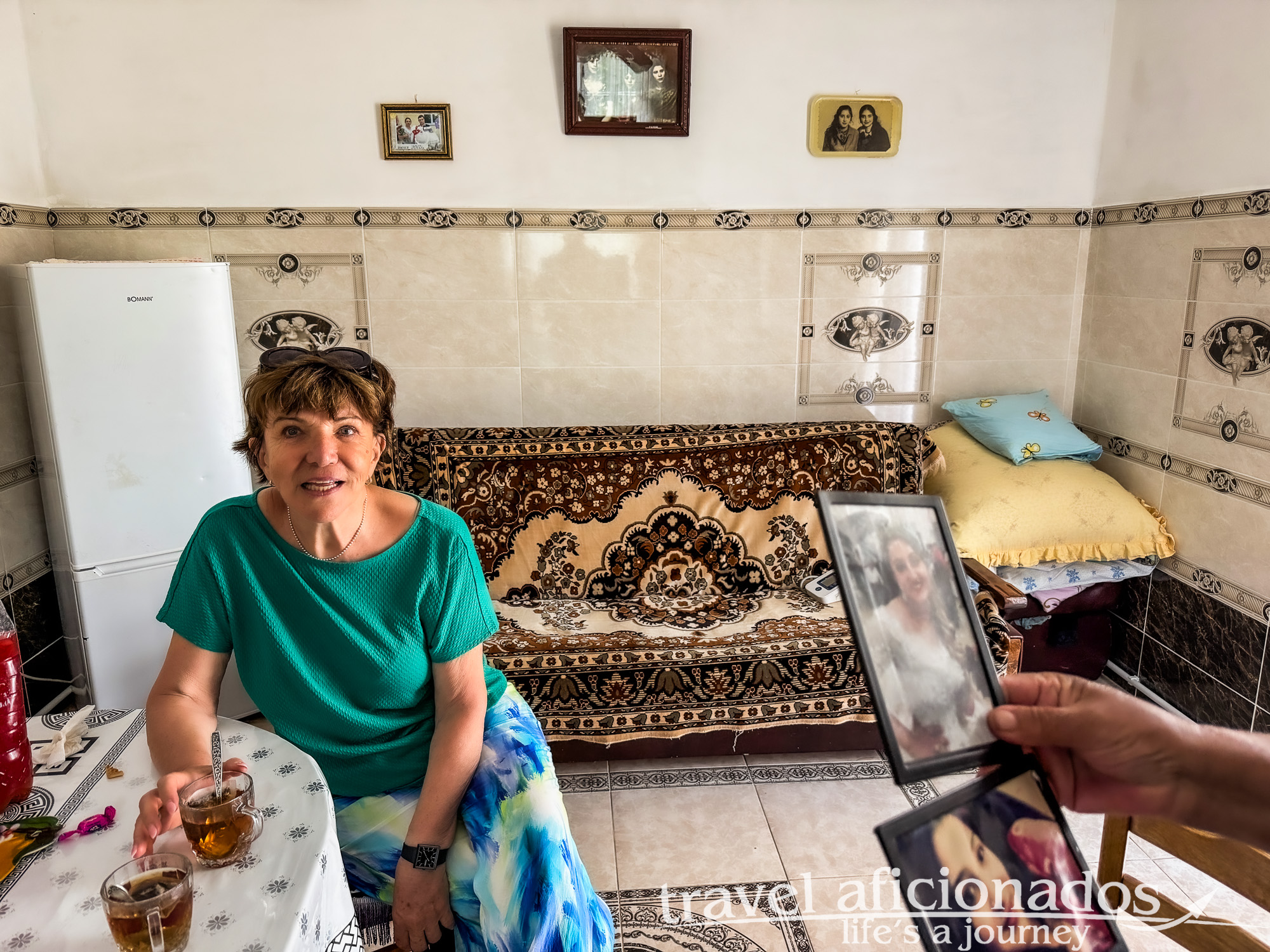
Maria showing me photos of her family.
Golden Horses, 16-Day Funerals, and Golden Slippers
As we ventured deeper, we ended up in the residence of the family of the recently deceased “Roma Baron”—the community title Ivan used to describe him. The mood was somber. The long-time leader and “baron” of the Roma community in Soroca, Moldova, Artur Cerari, had passed away only two weeks ago, at age 65.
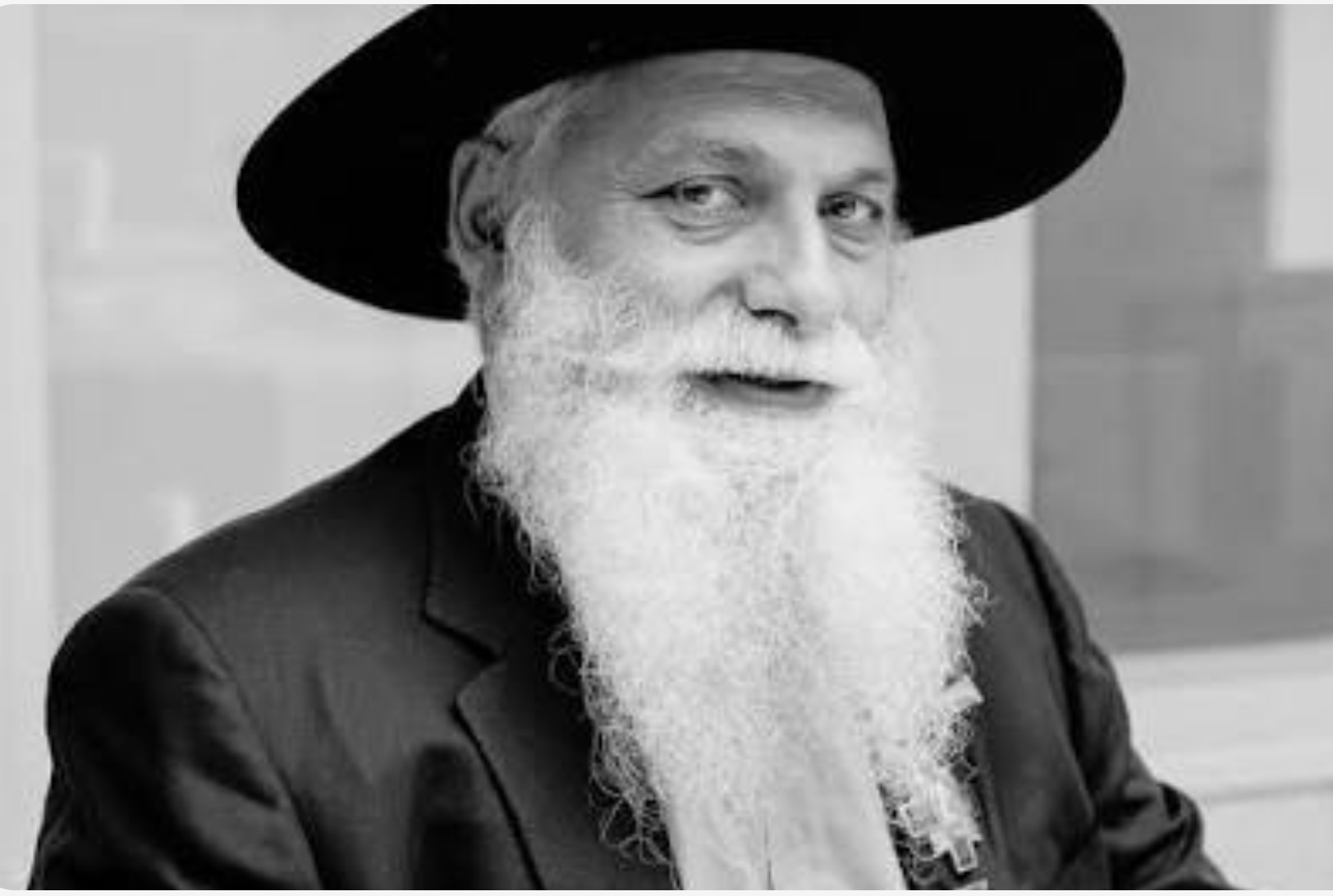
Artur Cerari, leader of the Roma community
We spoke with the Baron’s granddaughter, who looked visibly exhausted. She explained that the traditional funeral ceremonies had been going on for 16 grueling days to accommodate the countless waves of visitors paying their respects.
The entrance to his massive estate was flanked by two golden horse statues. I am not sure if this was not party of the extensive funeral ceremony.
In the courtyard, women sat drinking tea in the shade, while others swept the grounds.
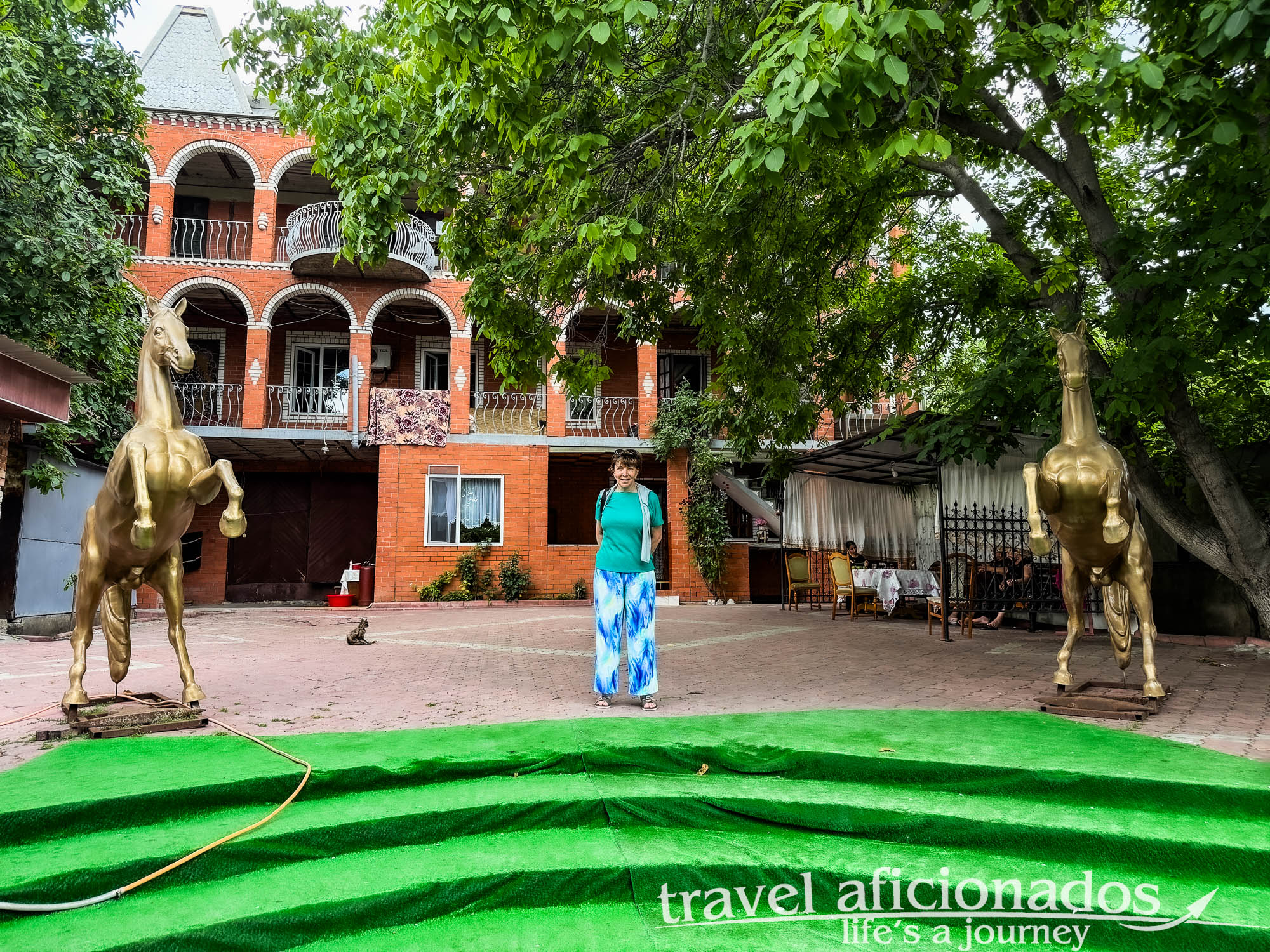
Entrance to the house of the recently deceased Roma Baron
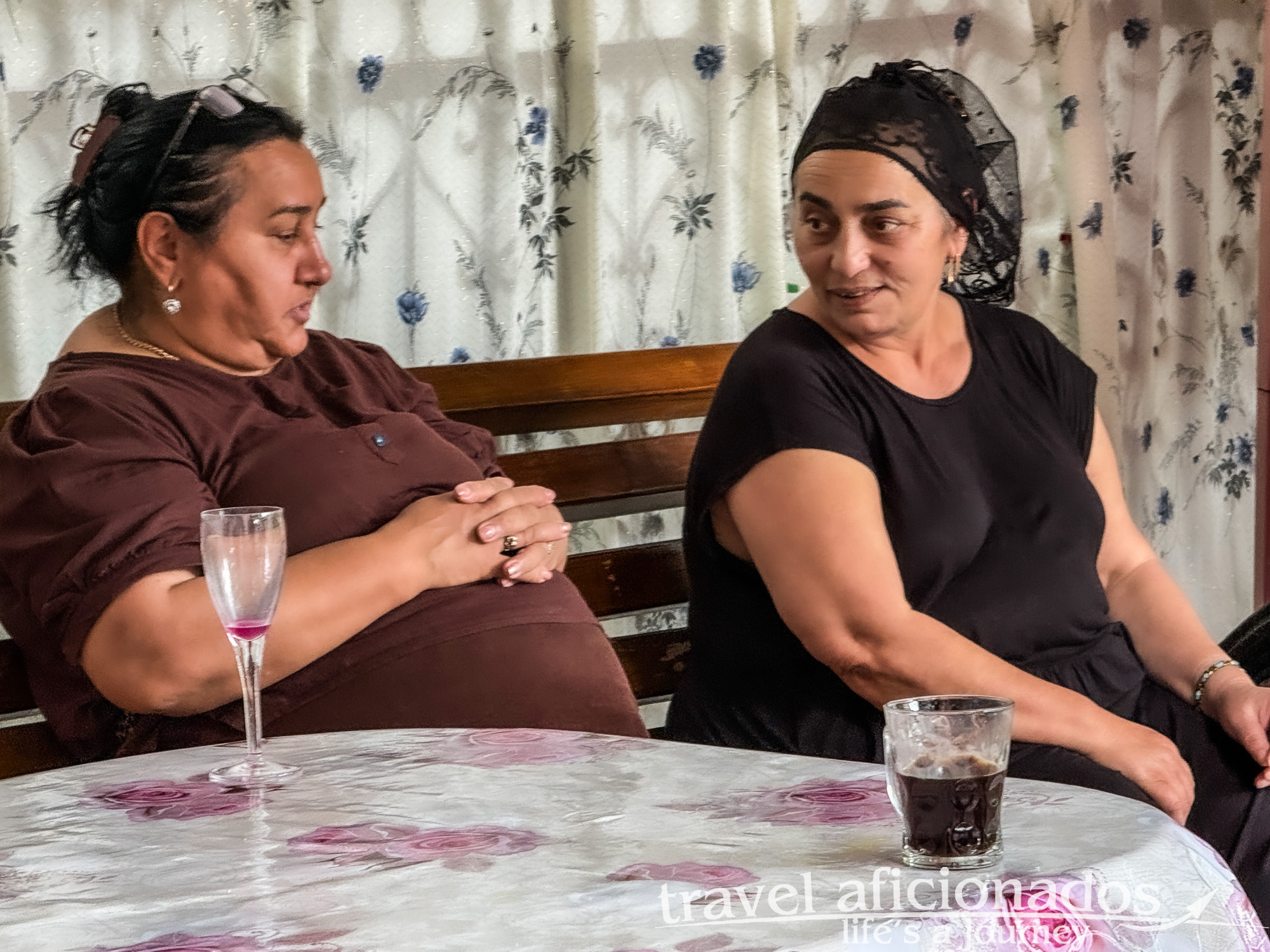
Family members of the Roma Baron
In the garden overgrown were old cars. Not any cars, but those luxury and executive cars used by the Soviet nomenclature. The Roman Baron was a passoinate collector of those, I was told.
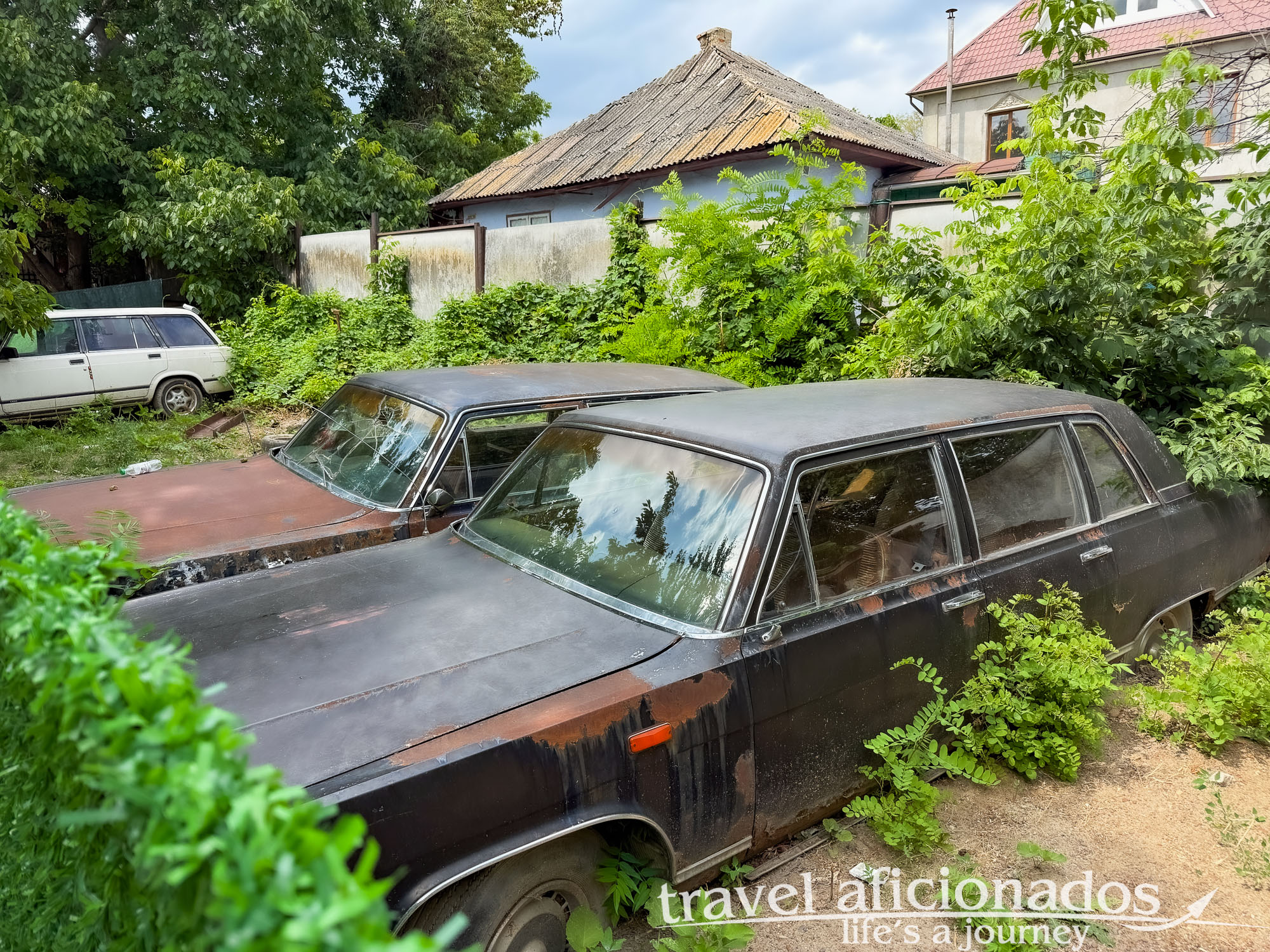
Luxoury cars used by Soviet nomenclatura
Just outside on the street, we met the younger generation of the family. One man proudly held a young child in his arms, immediately pointing out to us with immense pride how fair-skinned and blonde the baby was.
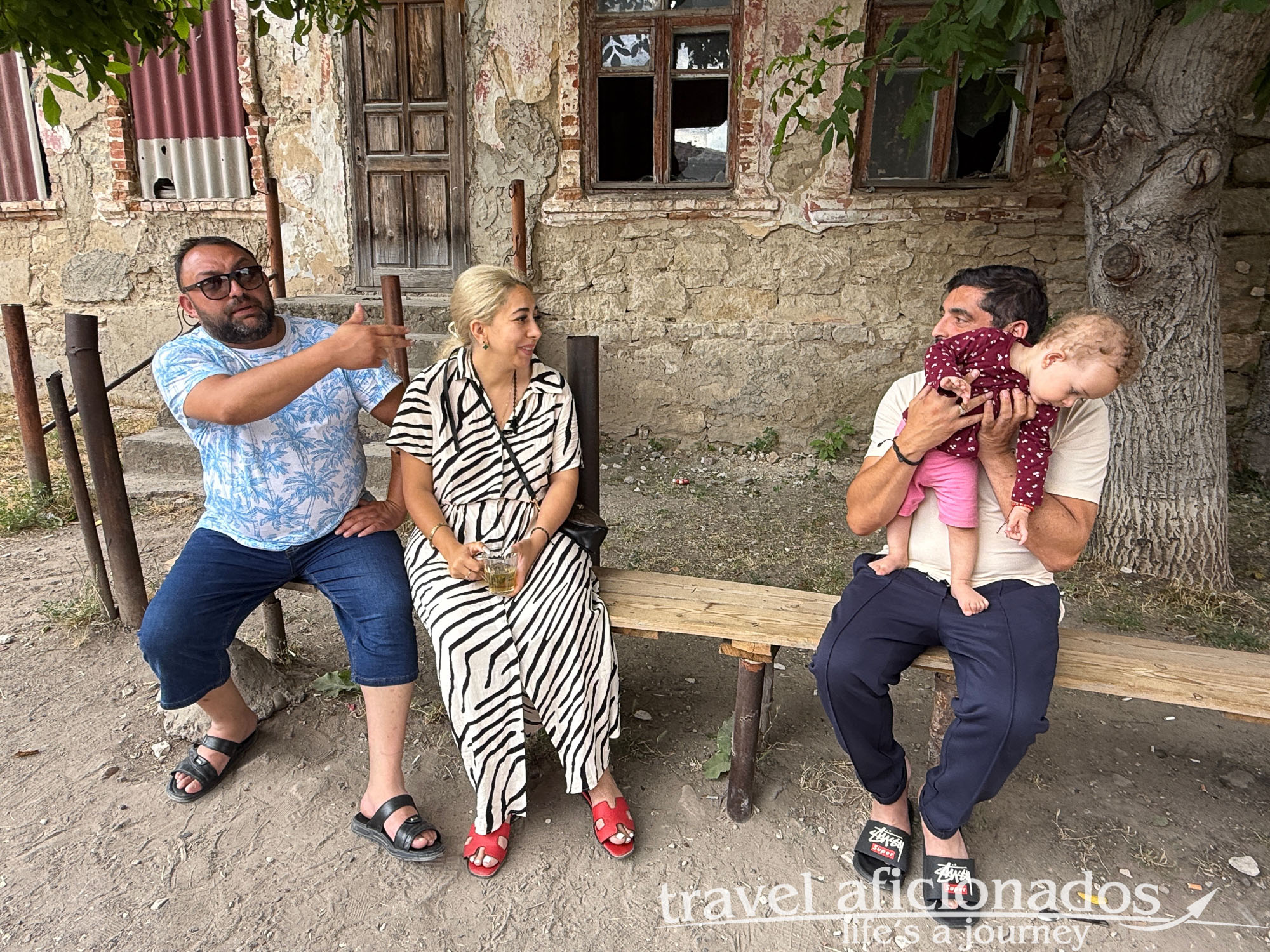
Family members of Roma Baron
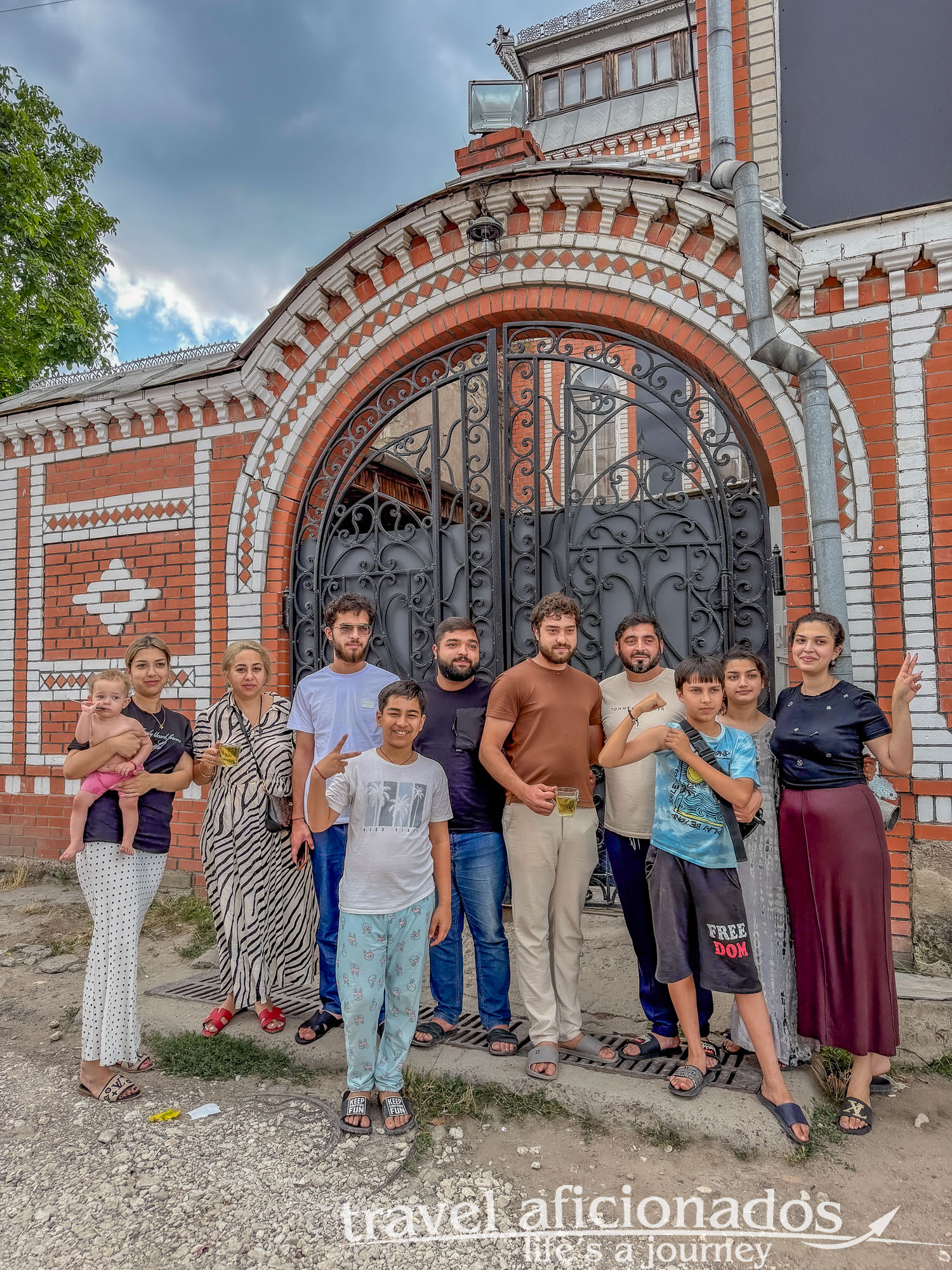
Family members of Roma Baron
Not long after, another elderly lady approached us on the pavement, sporting a pair of flashing golden slippers. Wanting to be friendly, I complimented her footwear. She must have been a business woman in her other life, she immediately tried to sell them to me on the spot, assuring me they had barely been worn!
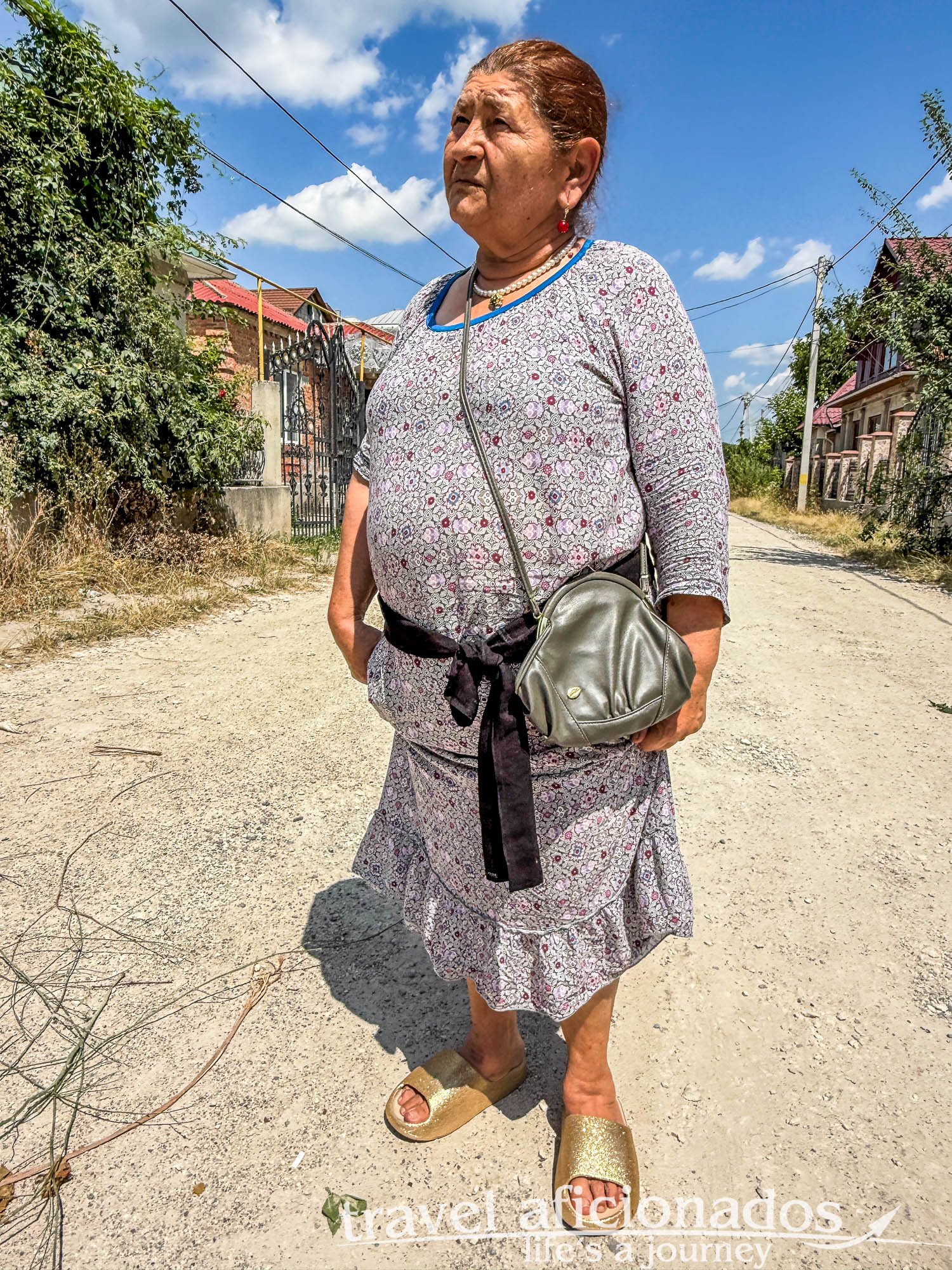
Offering me her golden sleepers for sale
As we chatted, she mentioned in passing that she had just returned from a three-month stay in Belgium to treat her diabetes. Curious about the logistics, I later asked Ivan how that worked. He explained a complex socio-economic reality: some Moldovan Roma seek asylum in the EU, and while their cases are pending review, they are granted access to essential medical care and treatment for acute illnesses.
The Shadow of the White House
Before leaving, one particular villa caught our attention—a sprawling, abandoned building modeled after the U.S. White House. Walking around it, we noticed a group of young men hanging out in the courtyard of the neighboring building.
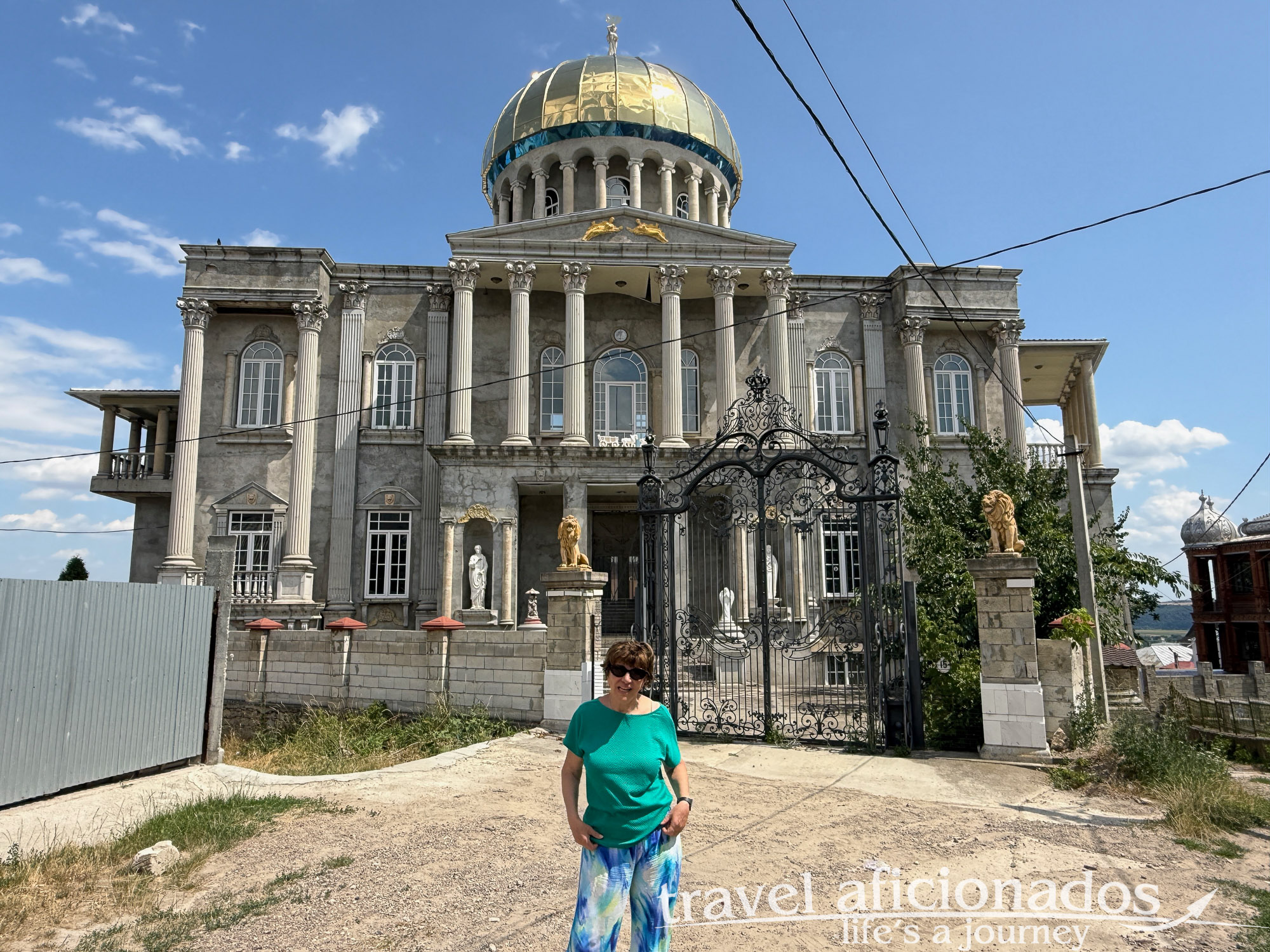
Roma mansion modelled after White House
One of them warmly invited us inside, offering a personal tour of what turned out to be a massive family compound consisting of three separate buildings. During the tour, the young man’s father showed us a massive retaining wall he had been forced to construct. Its purpose? To prevent the neighboring “White House” from literally sliding down the hill onto his property. He also complained about how the massive structure completely blocked the sun.
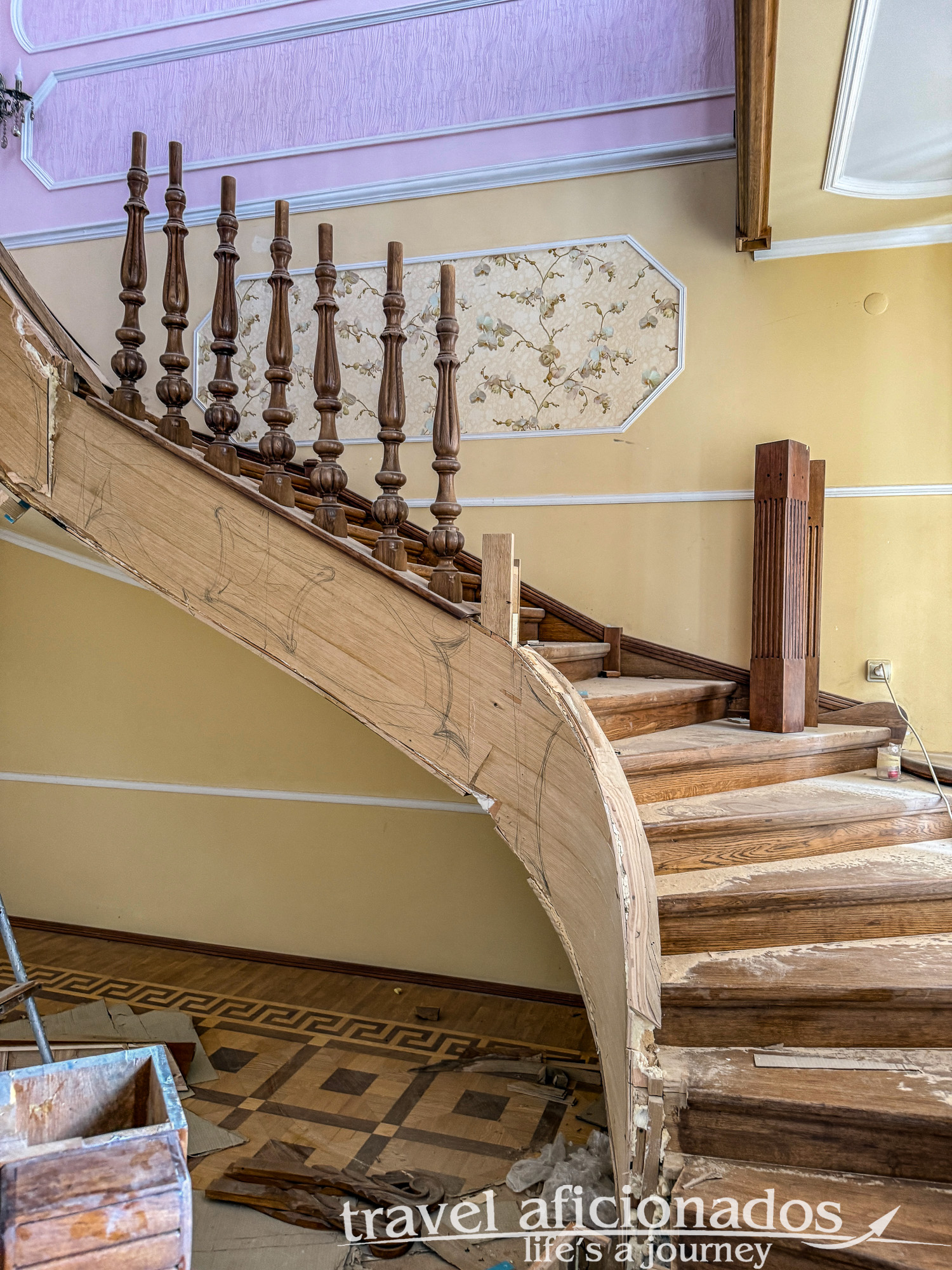
Inside a family home- they have been fixing it for years
As our tour concluded, the son turned to me with a smirk and asked for some money to buy cigarettes.
I couldn’t help but laugh. Looking around at the sprawling compound, I smiled and said, “Kid, I live in a 90-square-meter apartment, and you live on a massive palace estate!”
He laughed, the tension melted, and it was the perfect, self-aware note on which to end our journey through the surreal, beautiful, and deeply complicated world of Gypsy Hill.
The Reality Behind the Empty Mansions
As our day on the hill wound down, a clear trend began to emerge from all of our conversations, answering the burning question of why so many of these massive mansions sat completely deserted.
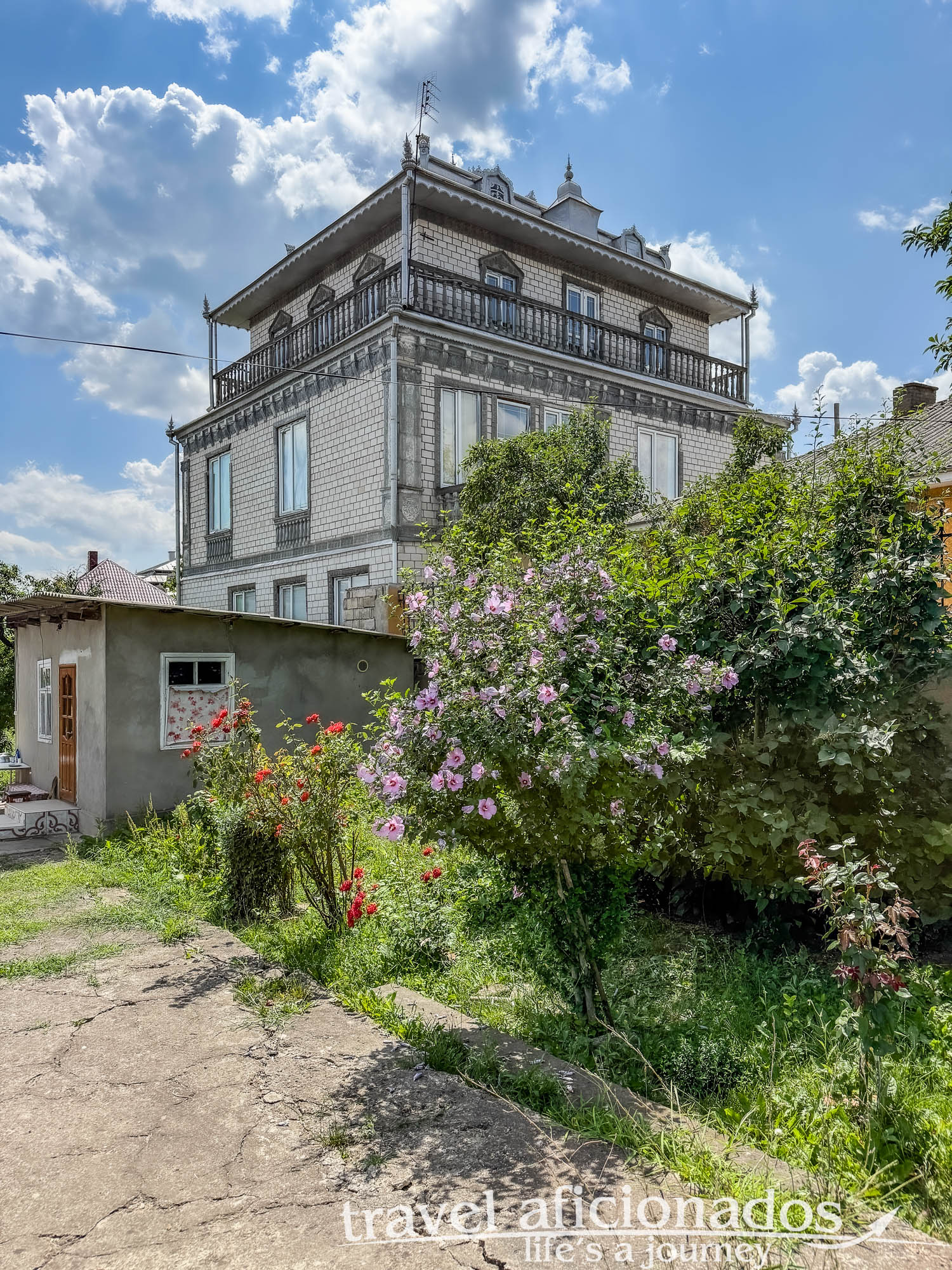
Abandonded mansion on gypsy hill Soroca
Out of economic necessity, a vast majority of the younger generation has left. Today, they live and work in Russia as seasonal laborers, market traders, or factory workers, sending remittances back home to sustain their families in Moldova.
Other families we chatted with confessed that they have abandoned the palace lifestyle altogether. They prefer living in standard, modern apartments in Chisinau. The harsh reality is that these giants are simply too expensive to maintain, especially heating during the harsh Moldovan winters.
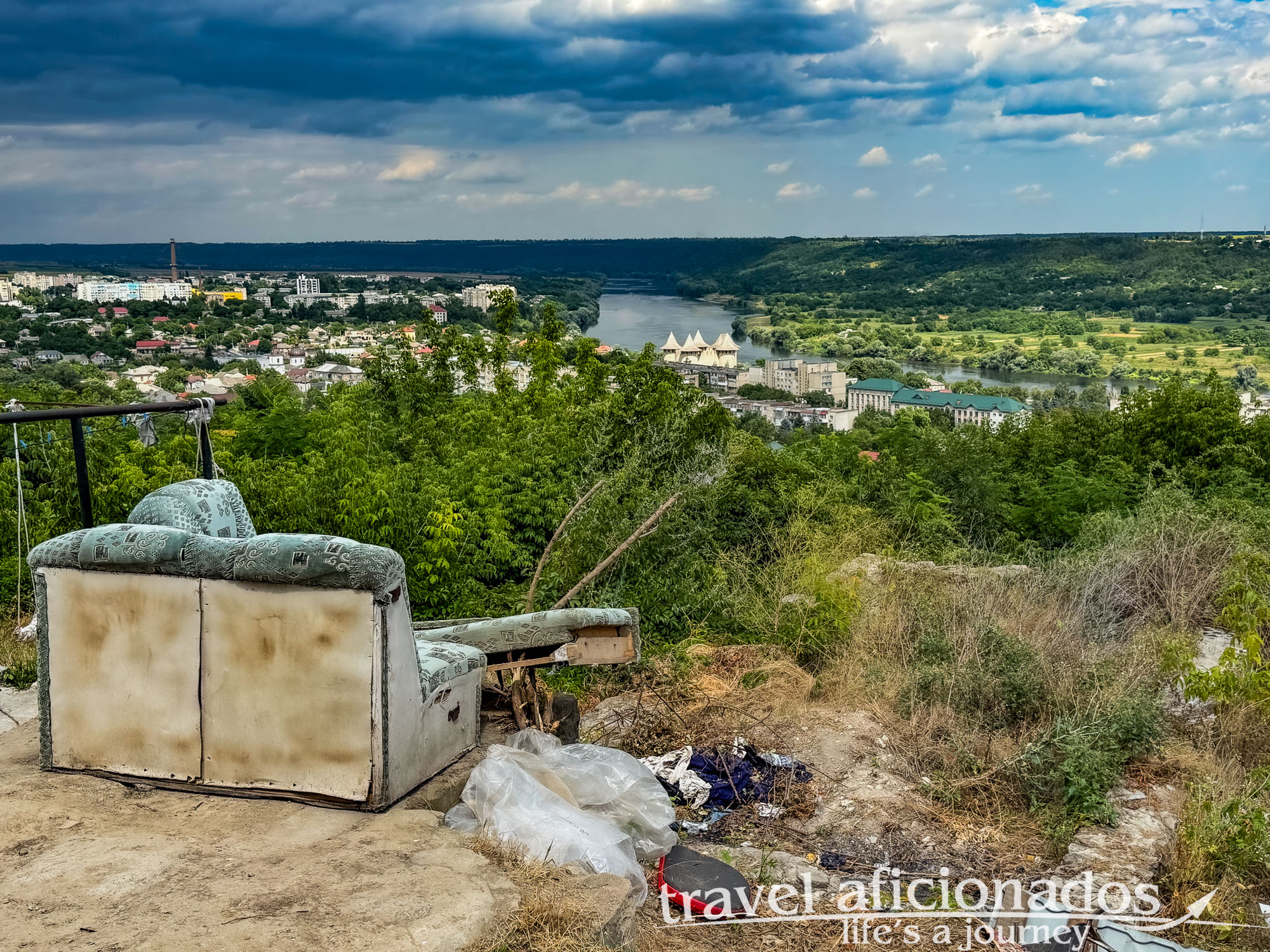
Garbage outside a home with a breathtaking view
Our conversations also revealed a cultural world that felt very strange to me. Ivan explained that within many families here, marriage to a non-Roma remains entirely taboo. I was particularly taken aback when one resident flatly told me, “The blood of the Roma is blue, and it must never be mixed.” This, to be honest, left me feeling quite disturbed.
A Beautiful, Complicated Legacy
As the sun began to dip below the horizon, the mismatched architecture of Soroca had also become a place of intense contradictions.
It is a neighborhood caught between past wealth and present survival, between once grand architectural statements and empty, unheatable rooms.
Hearing its history first-hand from Ivan was an incredible privilege, but the lasting highlights were the spontaneous human connections—the shared tea, meeting the family of the Roma Baron and the cheeky requests for cigarette money.
It wasn’t the grandeur of the palaces, but the beautiful, complicated warmth of the people inside them.
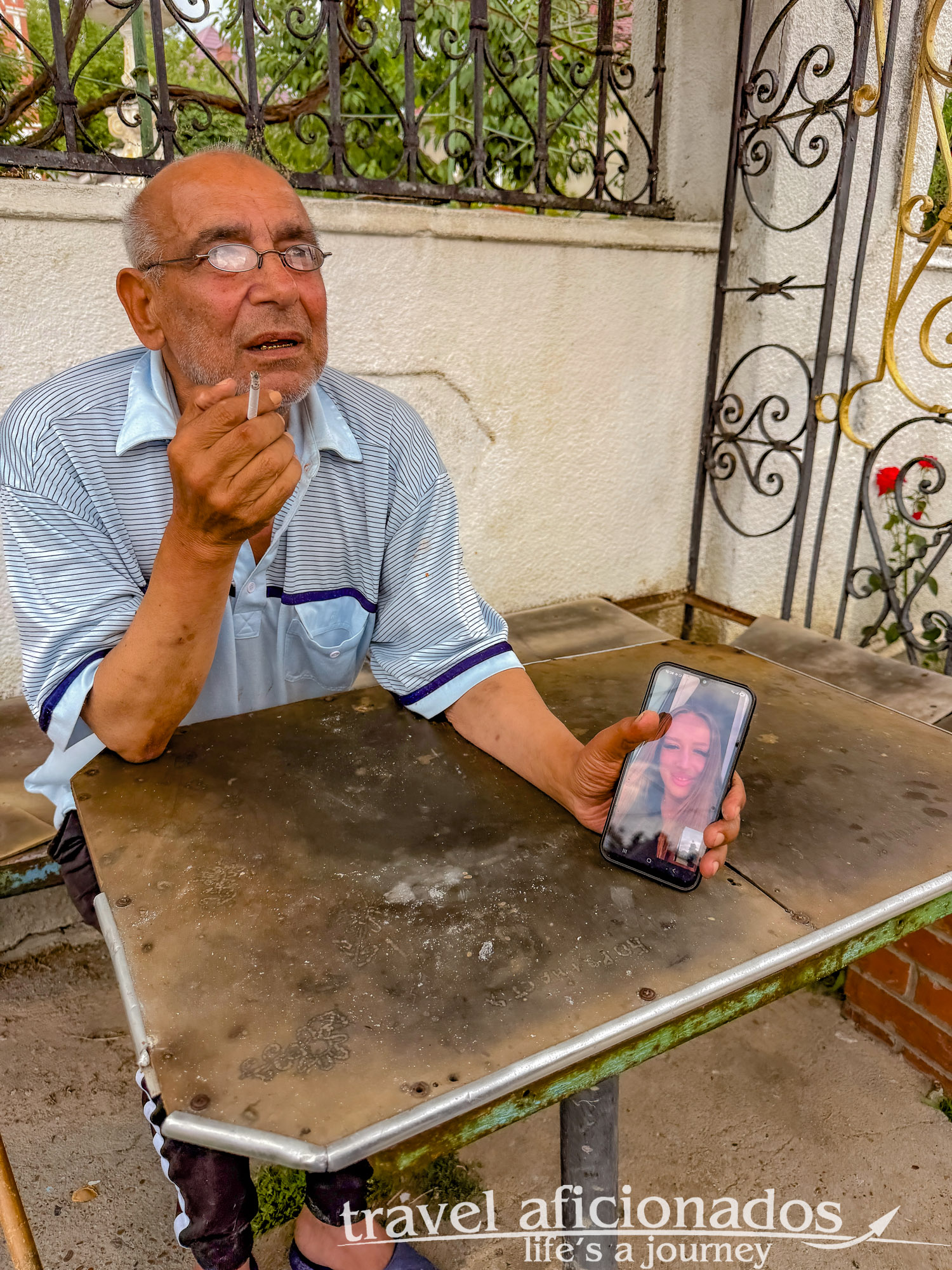
Elderly man sitting outside his house chatting with his daughter in Germany
Final Stops: History and a Bakery Detour
Before making the long drive back to Chișinău, we squeezed in one final historic landmark: Soroca Fortress (Cetatea Soroca). Perched right on the banks of the Dniester River, this 15th-century stronghold is probably the city’s most visited attraction. Recently restored, it is one of the best-preserved medieval fortresses in Moldova—an absolute must-see that feels like stepping straight onto a historical movie set.
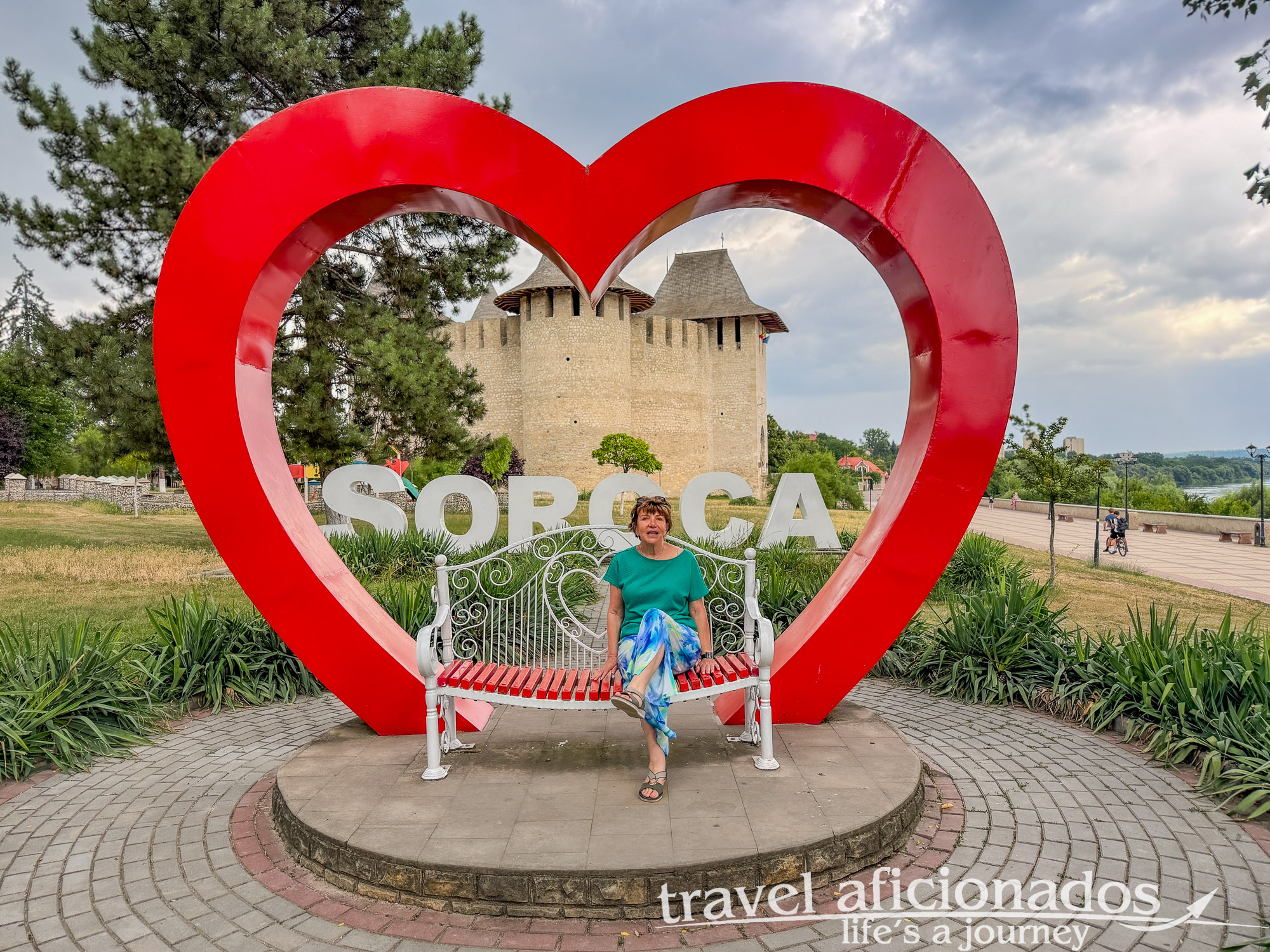
Soroca Fortress (Cetatea Soroca) in the background
Right before getting back into the BYD, we made a quick stop at a local bakery run by a young woman to pick up some food for the road. The shop had a fascinating charm; much like in Russia, everything was meticulously weighed and sold by weight. When I commented on the gorgeous cakes, the shopkeeper explained that they were actually imported directly from Ukraine because baking ingredients were significantly cheaper just across the border.
The funniest moment came when she pointed at the scale. It showed 200, so I handed her 200 lei. Ivan immediately burst out laughing. What she was showing me was the weight: 200 grams. Two hundred lei would have been ten times the price.
The young woman also carefully wrote down everything she sold in a big, old notebook. When I took a photo of it and asked why she did this when she already had a printed receipt for every purchase, she marched across the room, grabbed what looked like a large book, and placed it in front of me with a look that seemed to say, There you are.
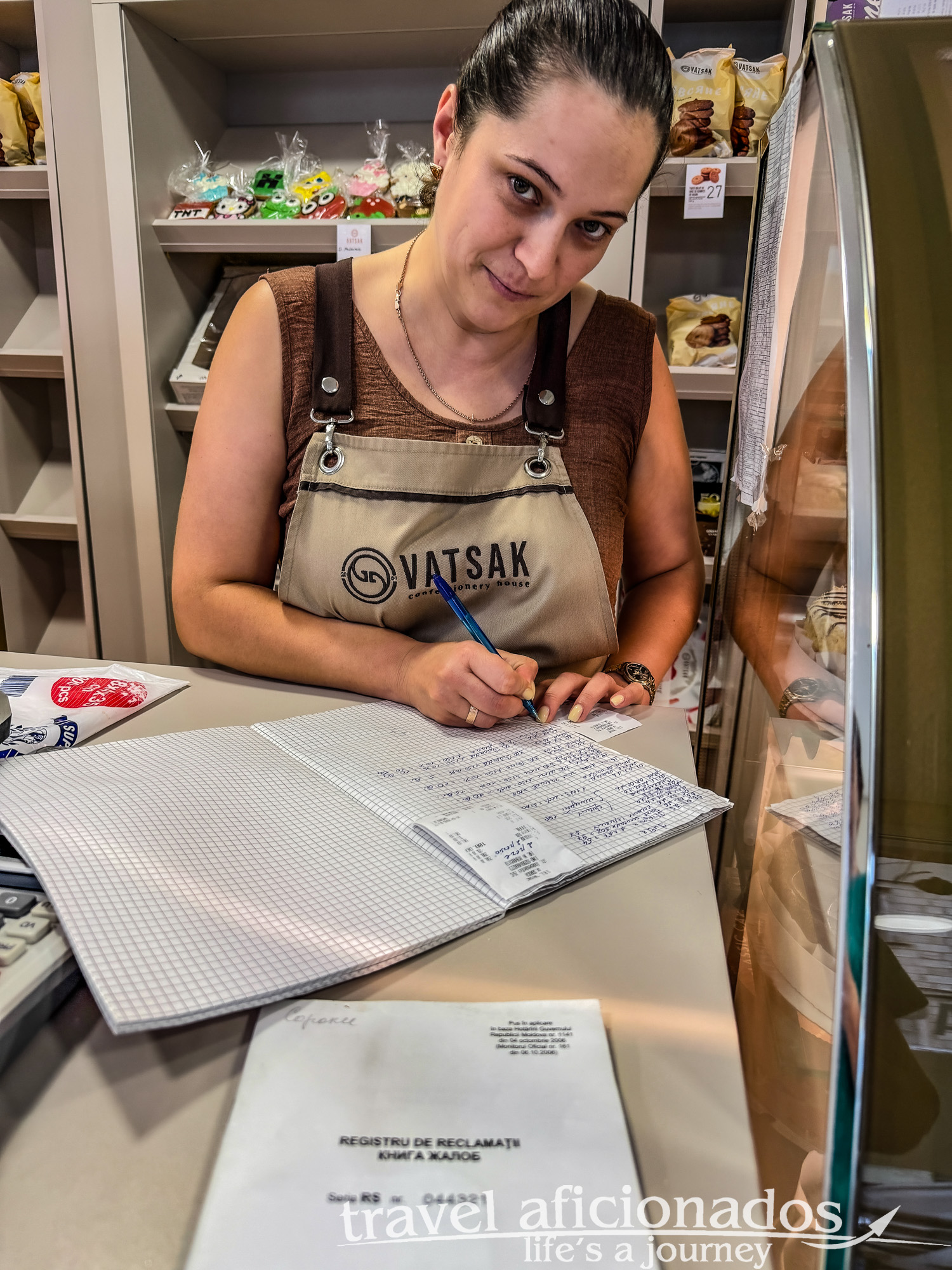
young shopkeeper meticously keep track of sold items
Once again, Ivan came to my rescue. Apparently, every shop is required to keep a book like this in case customers want to make a complaint.
I still have no idea how I managed to cause such a misunderstanding.
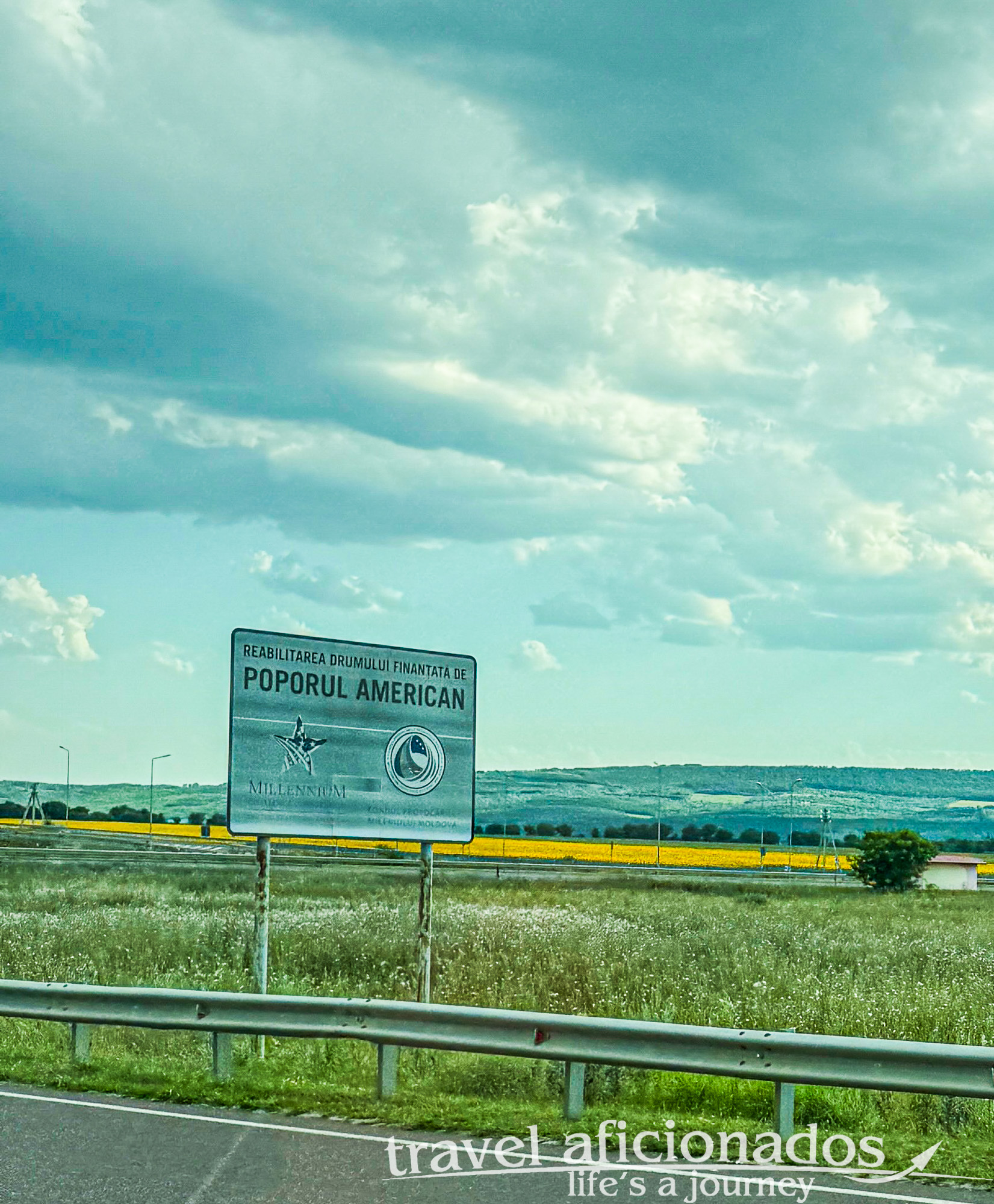
Buidlt by America -the new road from Chisinau to Soroca -for people to remember


Leave a Reply